
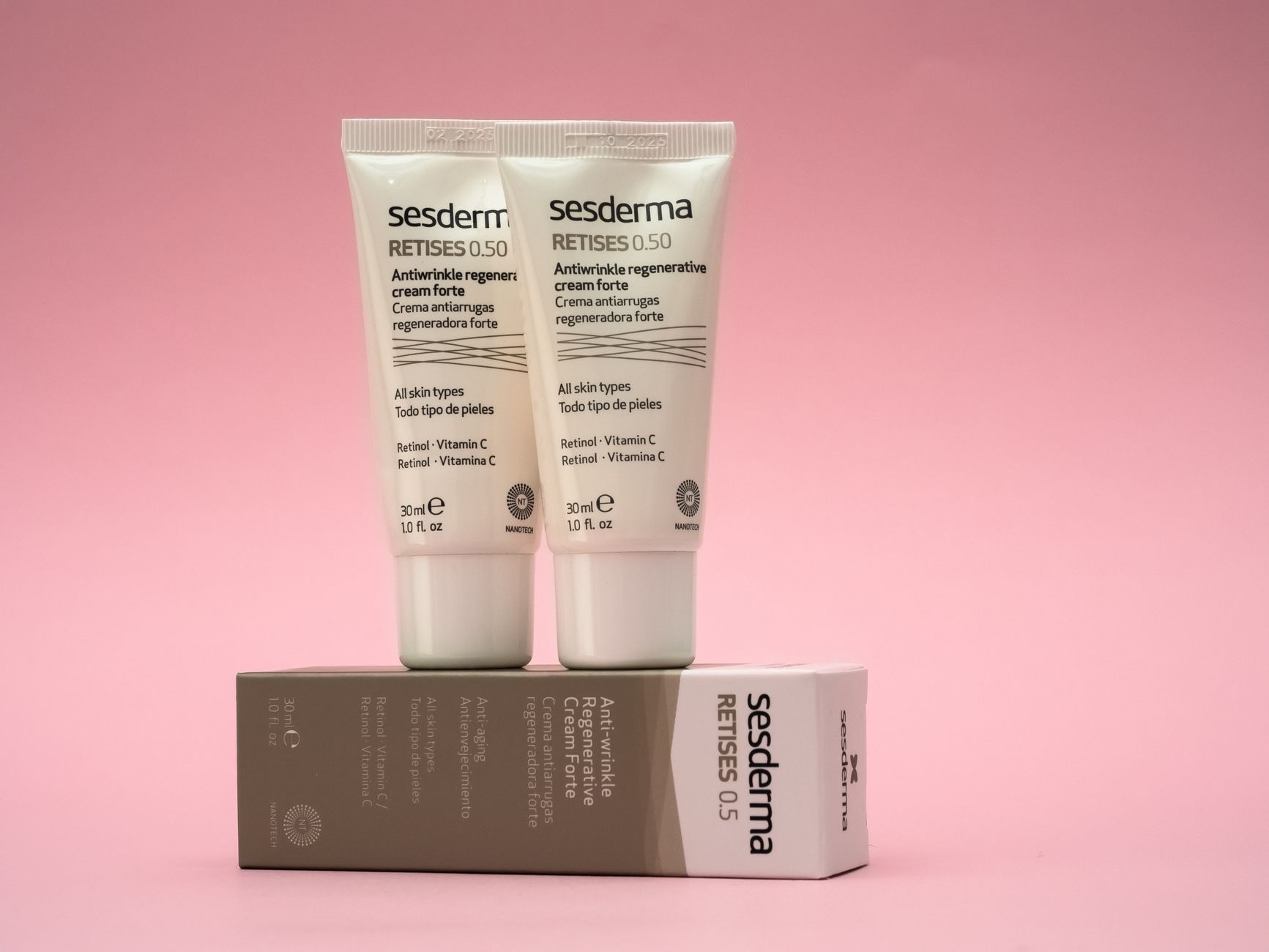
Hormonal acne flares in pregnancy are clogged-pore breakouts driven by rising androgens and progesterone. Dermatologists manage them with gentle skin care and a short list of topicals, while strictly avoiding drugs that can harm the fetus. More than 40% of pregnant patients develop acne, especially those with prior acne. Rising hormones in the first two trimesters boost sebum, clog pores, and cause painful nodular bumps on the face, neck, chest or back, UNM Health reports in its pregnancy acne answers.
Medical information disclaimer: This article is for general educational purposes only and does not provide medical advice, diagnosis, or treatment. Always consult a physician or other qualified health professional about symptoms, medications, tests, or treatment decisions.
Table of Contents
- Why do pregnancy hormones trigger breakouts?
- Will acne get better or worse before delivery?
- What daily care and topicals fit pregnancy?
- Which treatments must be avoided?
Why do pregnancy hormones trigger breakouts?
Androgens and progesterone raise sebum output. Extra oil mixes with dead skin cells and plugs pores. Plugged pores then inflame into tender papules and nodules.
Breakouts favor oil-rich sites. Face, neck, chest and back are the usual zones. Prior acne raises the chance of flaring.
Will acne get better or worse before delivery?
The course is unpredictable. A review in the Journal of the American Board of Family Medicine reports acne often improves in the first trimester but may worsen in the third trimester, as described in this family medicine review.
The review links late flares to increased maternal androgens and sebum. Shifts in immune response can also promote inflammatory lesions. A calm first month does not guarantee clear skin later.
What daily care and topicals fit pregnancy?
Start simple and give skin time to respond. Dermatologists cited by UNM Health recommend twice-daily gentle scent- and dye-free cleansing for one to two weeks.
Do not layer many new products at once. MotherToBaby, summarizing ACOG guidance, states that benzoyl peroxide, azelaic acid, topical salicylic acid, or glycolic acid may be used if needed after discussion with a health care provider, in its fact sheet on topical acne treatments in pregnancy. UNM Health, summarizing ACOG, notes azelaic acid helps fade discoloration, glycolic acid loosens dead skin cells, and benzoyl peroxide kills bacteria while clearing excess oil and dead cells.
- Wash morning and night with lukewarm water and gentle cleanser
- Use light, noncomedogenic moisturizer and sunscreen as needed
- Pick one targeted topical at a time
- Track redness, peeling, stinging, or new nodules
Which treatments must be avoided?
Some standard acne drugs are off limits in pregnancy. UNM Health, summarizing ACOG, lists hormonal acne therapy, isotretinoin, and tetracyclines among treatments to avoid. Hormonal therapy can raise birth-defect risk, while isotretinoin can cause severe birth defects.
Oral isotretinoin is a confirmed teratogen and is contraindicated in pregnancy. The UK Teratology Information Service describes isotretinoin embryopathy as including hydrocephalus, microcephaly, facial dysmorphia, ear and eye defects, conotruncal heart defects, and neurodevelopmental anomalies in its isotretinoin in pregnancy monograph. European regulators also contraindicate topical retinoids such as adapalene, tretinoin, tazarotene and topical isotretinoin in pregnancy and planned pregnancy as a precaution. Refer persistent, painful or nodular flares promptly for prescription or anti-inflammatory care such as intralesional steroids.