
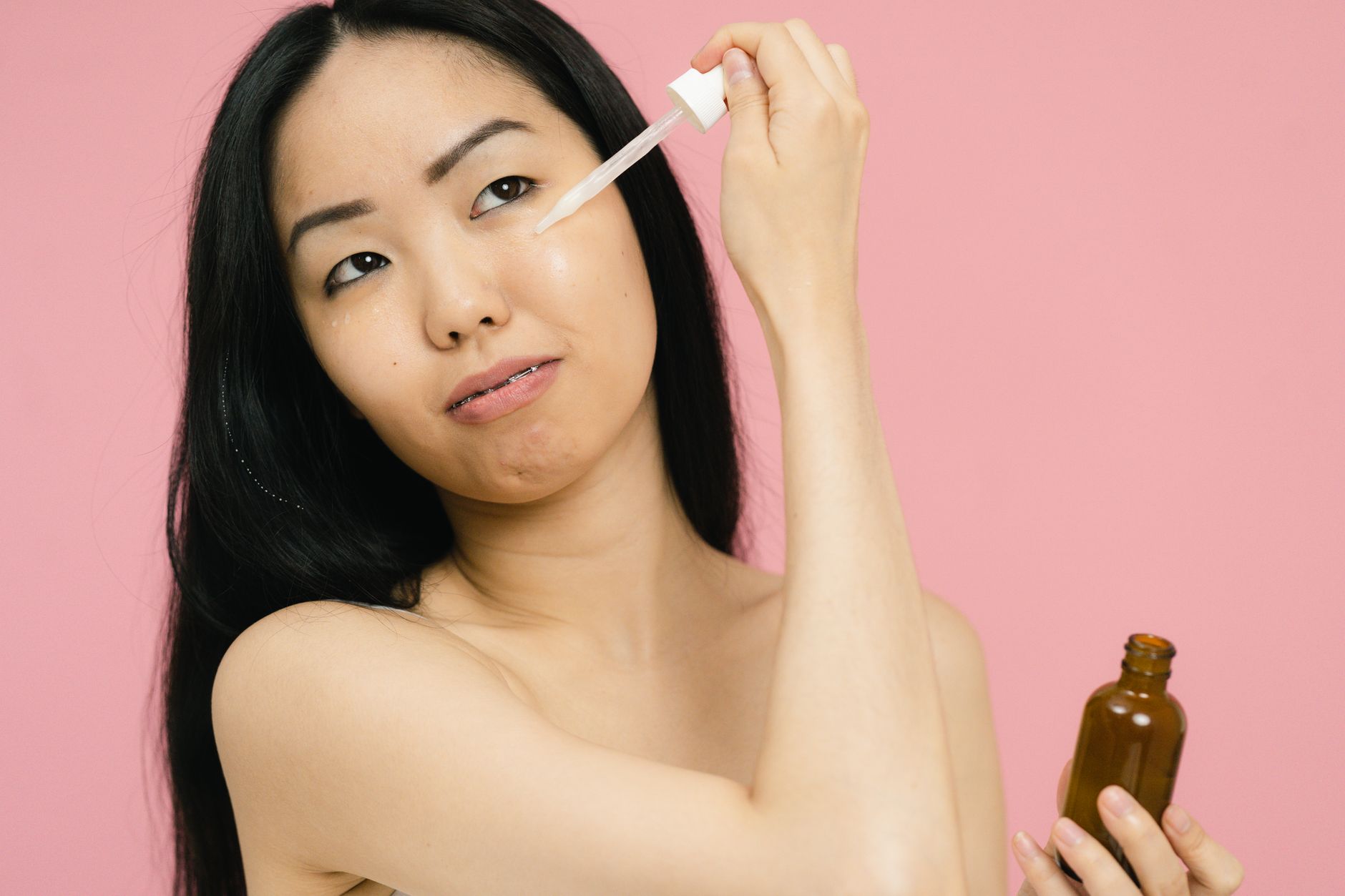
Yes, niacinamide serum can reduce oil and breakouts for many people with oily skin. Niacinamide, a form of vitamin B3, helps build keratin, strengthen the skin barrier, hold moisture and calm inflammation. Cleveland Clinic explains in its niacinamide overview that this mix of effects makes it suitable for oily and acne-prone skin. Less excess oil means less shine, clearer-looking pores and fewer clogged pores that lead to pimples.
Medical information disclaimer: This article is for general educational purposes only and does not provide medical advice, diagnosis, or treatment. Always consult a physician or other qualified health professional about symptoms, medications, tests, or treatment decisions.
Table of Contents
- Why oily skin responds to it
- What trials show for oil and acne
- Where the evidence falls short
- How to use it for four to eight weeks
Why oily skin responds to it
Oily skin makes extra sebum, which adds shine and helps clog pores. Niacinamide helps control surface oil while supporting barrier strength and elasticity.
That support matters because harsh, alcohol-based products strip skin and often trigger more irritation. With steady use, skin looks less shiny and pores look smaller because they stay clearer. The benefit is balance: lower oil without the tight, dry rebound of stripping cleansers and toners.
What trials show for oil and acne
In Draelos et al.'s trials, summarized by the Journal of Drugs in Dermatology in its review of acneceuticals, 2% niacinamide lowered facial sebum excretion rate versus vehicle. The effect appeared over four weeks in 100 Japanese subjects and in a six-week split-face study of 30 Caucasian subjects.
Acne results point the same way. Pharmacy Times reports in its counseling guide on topical niacinamide that 4% nicotinamide worked similarly to 1% clindamycin, with both groups improving and no significant gap between them. A Thammasat University trial also found 2.5% benzoyl peroxide plus 5% niacinamide cut lesions and sebum more than benzoyl peroxide alone, especially noninflammatory lesions such as blackheads and whiteheads.
Where the evidence falls short
Most trials are small and short, mainly in mild-to-moderate acne. That limits what they prove for severe, painful or long-term acne.
Results can also vary by formula, dose and skin type. One split-face randomized trial of a niacinamide-ceramide moisturizer found sebum rose in all groups, reports the Journal of Cosmetic Dermatology in its trial report, with no significant between-group difference. So niacinamide helps many users, but it does not guarantee drier skin or zero breakouts.
How to use it for four to eight weeks
People with oily, breakout-prone skin typically use a daily 2-5% niacinamide serum, according to Pharmacy Times. Apply it after gentle cleansing and before moisturizer, then add sunscreen in the morning.
Judge oil and breakouts after four to eight weeks, since acne care often needs four to six weeks for first results. If oil drops but pimples persist, keep the routine for the full eight weeks before changing products.
- Start once daily, then move to twice daily if skin feels calm.
- Use a pea-sized amount for the full face; more does not work faster.
- Pair with a mild cleanser and light, non-comedogenic moisturizer.
- Keep benzoyl peroxide, retinoids and exfoliating acids separate at first to limit irritation.
- Track shine at midday, clogged pores and new inflamed pimples each week.