
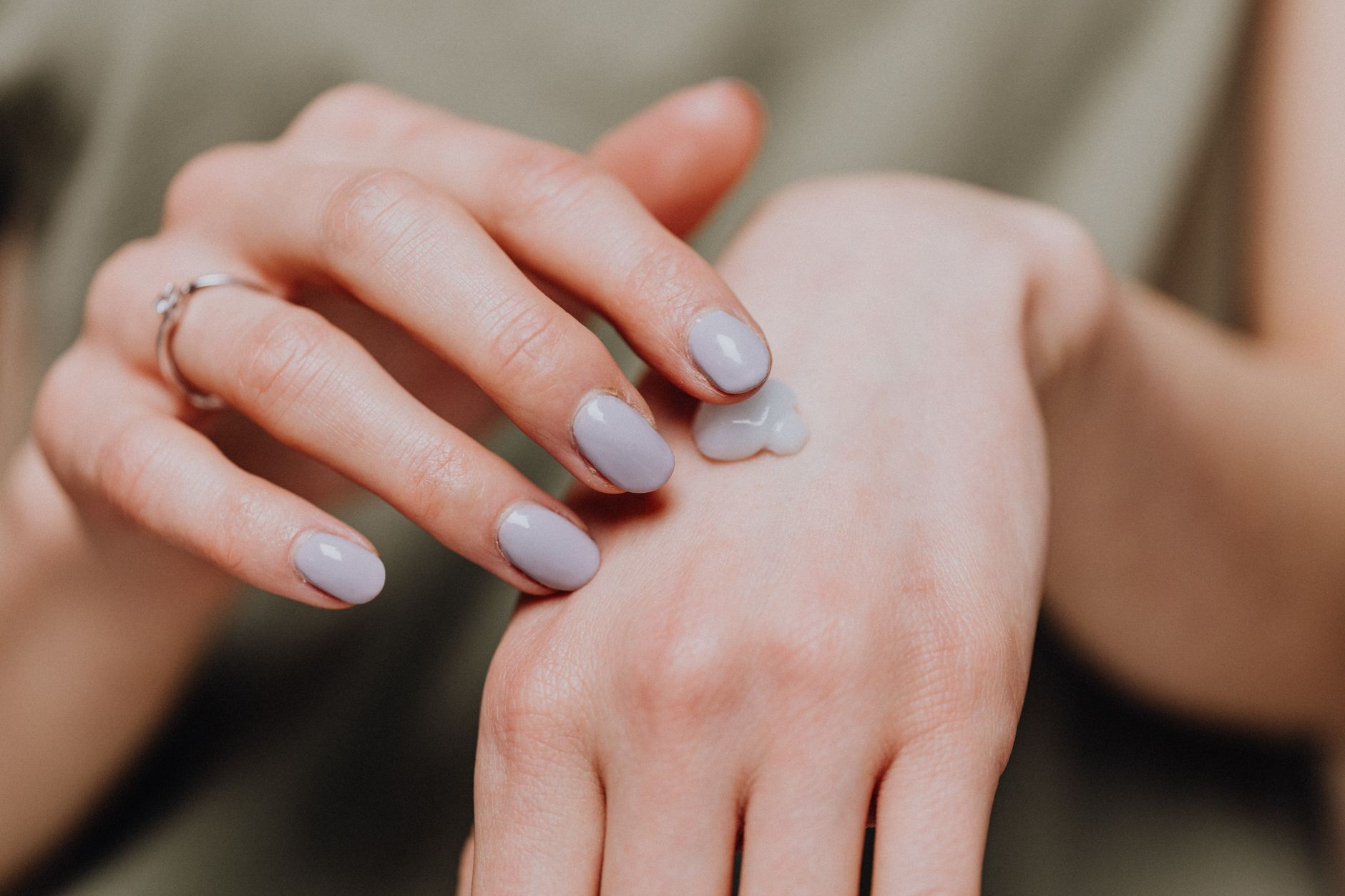
For most people treating acne over a larger area, the practical order is benzoyl peroxide first, moisturizer after it absorbs. For spot-treating sensitive skin, some dermatologists reverse that and recommend moisturizer first, then benzoyl peroxide limited to the blemish itself. Neither the American Academy of Dermatology nor the UK's National Health Service publishes a strict rule on sequence; both instead stress that daily moisturizing matters because benzoyl peroxide dries and irritates skin, and skipping moisturizer makes the medication harder to tolerate (American Academy of Dermatology). The order that works best depends on how much skin you're treating and how your skin reacts.
Medical information disclaimer: This article is for general educational purposes only and does not provide medical advice, diagnosis, or treatment. Always consult a physician or other qualified health professional about symptoms, medications, tests, or treatment decisions.
Table of Contents
- Treating a Larger Area: Medication First, Then Moisturizer
- Spot-Treating Sensitive Skin: Moisturizer First
- How Often to Apply Benzoyl Peroxide, Regardless of Order
- Daytime Moisturizing and Sun Protection
- Should You Worry About Benzoyl Peroxide and Skin Aging?
- Frequently Asked Questions
Treating a Larger Area: Medication First, Then Moisturizer
When benzoyl peroxide is spread across the face or back rather than dabbed on individual spots, a dermatology-clinic patient guide describes a standard sequence: cleanse the skin, apply benzoyl peroxide to dry skin, then follow with a moisturizer once the medication has absorbed (MD Derm Outlet). Applying the medication to clean, dry skin first lets it reach the pores without a moisturizer layer diluting or blocking contact.
Waiting for benzoyl peroxide to absorb before moisturizing isn't about timing for its own sake. It gives the active ingredient direct contact with skin, then lets the moisturizer do its job of replacing the moisture the medication strips away.
Spot-Treating Sensitive Skin: Moisturizer First
For sensitive skin and targeted spot treatment, the same clinic guide describes a different approach: moisturize first, then apply benzoyl peroxide only to active blemishes, leaving the surrounding skin untouched by the medication (MD Derm Outlet). This reduces irritation by keeping benzoyl peroxide off skin that doesn't need treating and gives the moisturizer a chance to buffer the skin before the medication is applied.
This approach suits someone who gets one or two breakouts at a time rather than widespread acne, or who has reacted to benzoyl peroxide with redness, flaking, or stinging. Confining the medication to the blemish itself, rather than a full-face application, lowers the dose of irritant the rest of the skin encounters.
How Often to Apply Benzoyl Peroxide, Regardless of Order
Sequence matters less than frequency when it comes to avoiding irritation. The NHS advises people with sensitive skin to apply benzoyl peroxide once a day, before bed, and to cut back to once a day or once every two days if dryness or peeling develops (NHS).
An FDA-derived over-the-counter drug label on file with DrugCentral gives similar guidance for general use: start with one application daily and increase to two or three times daily only if needed, because excessive drying can occur (DrugCentral). That same label warns that irritation and dryness become more likely when another topical acne medication is used at the same time, and that cutting back frequency or concentration can ease it. If you're combining benzoyl peroxide with a retinoid or another active ingredient, watch for compounding irritation and adjust frequency before changing the moisturizing order.
- Start with once-daily application if your skin is sensitive or new to benzoyl peroxide.
- Watch for dryness, peeling, or stinging within the first one to two weeks.
- If irritation appears, reduce to every other day before abandoning the product.
- Add a second topical acne medication slowly, one at a time, to isolate what's causing irritation.
Daytime Moisturizing and Sun Protection
Benzoyl peroxide use isn't limited to nighttime routines for everyone. The NHS states that a moisturizer, or an SPF30 foundation, can be applied during the day alongside benzoyl peroxide treatment, without specifying an exact order relative to the medication at that time of day (NHS).
That flexibility reflects the same principle seen in the overnight routine: daily moisturizing is the fixed requirement, and exact sequencing is left to what the skin tolerates. Benzoyl peroxide doesn't carry a specific sun-sensitivity warning the way some retinoids do, but dry, irritated skin is more vulnerable to sun damage generally. Using an SPF30 foundation or sunscreen during the day, on top of or instead of a plain moisturizer, covers both needs at once.
Should You Worry About Benzoyl Peroxide and Skin Aging?
Acne.org recommends applying a moisturizer containing antioxidants, such as vitamin E, vitamin C, or licochalcone, after benzoyl peroxide as a precaution, while also stating there is no scientific evidence that benzoyl peroxide accelerates skin aging (Acne.org). That distinction matters: the antioxidant-after recommendation is a precaution, not a response to a documented risk. If you want to add an antioxidant step, applying it after benzoyl peroxide follows the same absorb-then-moisturize logic used for larger treatment areas.
It doesn't need to replace your regular moisturizer, just sit alongside it in the same post-medication step. No major dermatology society has published a controlled trial comparing moisturize-first against medication-first application order. Treat "moisturizer first" as an irritation-reduction option for sensitive, spot-treated skin rather than an established standard, and follow the instructions on your specific product's label when they're more specific than general guidance.
Frequently Asked Questions
Can I use benzoyl peroxide and moisturizer at the same time of day?
Yes. The NHS notes a moisturizer or SPF30 foundation can be applied during the day alongside benzoyl peroxide treatment, without requiring a strict gap between the two.
Does applying moisturizer first weaken benzoyl peroxide?
For spot treatment on sensitive skin, dermatologists describe moisturizing first as a way to reduce irritation while still applying benzoyl peroxide directly to blemishes, according to a dermatology-clinic patient guide. For larger treated areas, the same guide describes applying benzoyl peroxide to dry skin first, before moisturizer.
How do I know if I'm using benzoyl peroxide too often?
Watch for dryness, peeling, or stinging. The NHS and an FDA-derived drug label both recommend starting with once-daily use and cutting back to every other day if irritation develops, rather than pushing through it.