
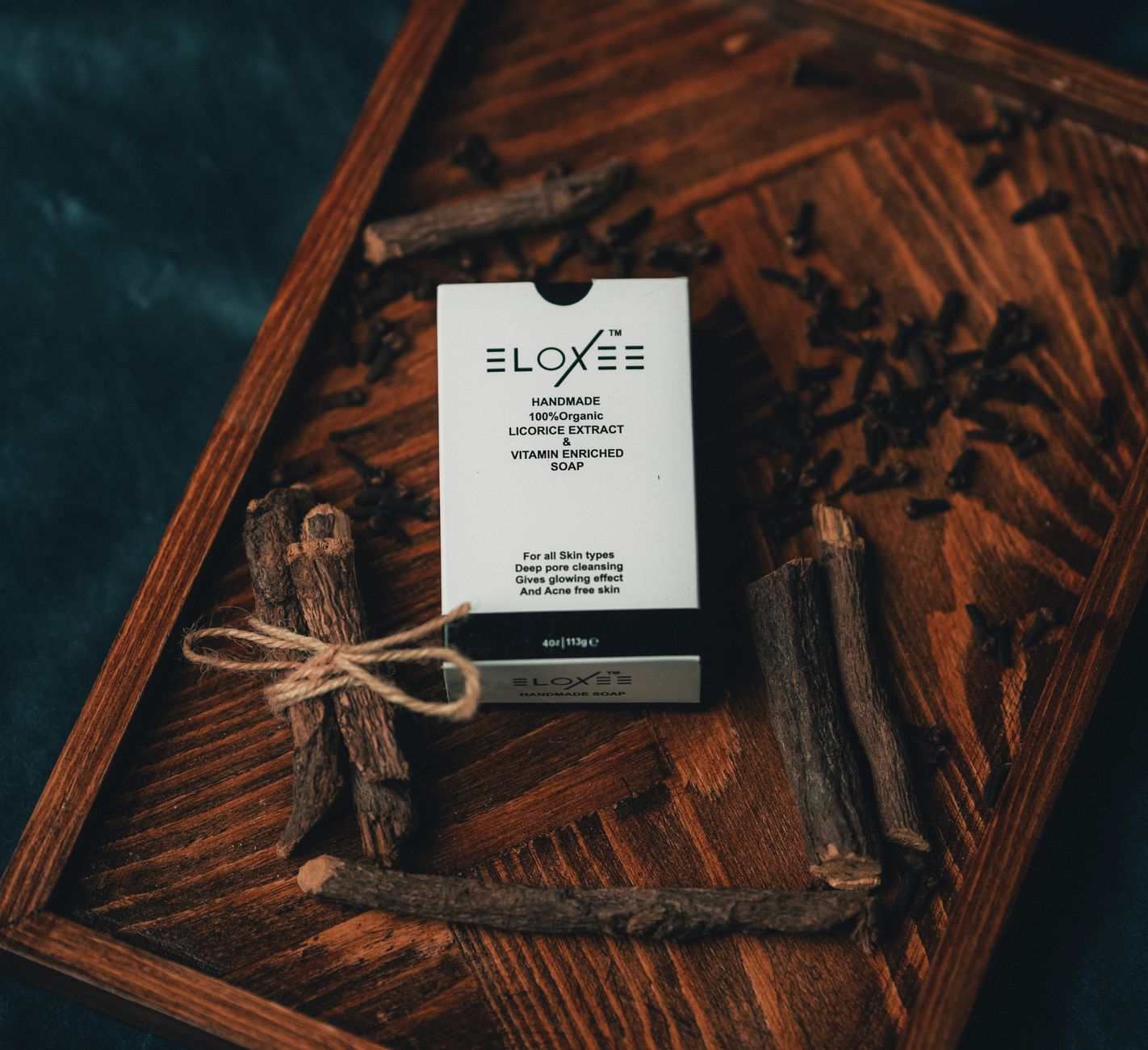
Vitamin C helps acne mainly as a supporting treatment, not a standalone cure. It fights free radicals, supports collagen, and may ease breakouts, dark spots, and healing. Topical vitamin C means vitamin C put on skin as serum, cream, or lotion. Sodium ascorbyl phosphate is a stable form made for sensitive, acne-prone skin.
Medical information disclaimer: This article is for general educational purposes only and does not provide medical advice, diagnosis, or treatment. Always consult a physician or other qualified health professional about symptoms, medications, tests, or treatment decisions.
Table of Contents
- Can vitamin C calm active breakouts?
- Will it fade dark spots and help scars?
- What irritation should you watch for?
- What should you ask a clinician?
Can vitamin C calm active breakouts?
Sodium ascorbyl phosphate slowed Cutibacterium acnes growth and sebum lipid oxidation in lab tests. It also reduced acne lesions in people. The International Journal of Cosmetic Science proposed it as a non-antibiotic prevention and co-treatment. A randomized double-blind trial tested 5% sodium ascorbyl phosphate, 0.2% retinol, and the combination, as reported in a PubMed-indexed clinical study.
Each treatment reduced inflammatory lesions. The result supports vitamin C as an adjunct, not a cure alone. It does not replace prescription acne drugs for moderate or severe acne. Use it to support a proven plan, especially for mild inflammation and oily skin.
Will it fade dark spots and help scars?
Topical vitamin C slows tyrosinase-related melanin formation and post-inflammatory hyperpigmentation, according to the IntechOpen dermatology review in a chapter on pigmentary treatment. It helps fade dark spots without killing melanocytes. Results come slower and work less strongly than 4% hydroquinone. Vitamin C also supports wound healing and collagen I and III gene expression.
A Journal of Clinical and Aesthetic Dermatology review linked it to less UV-induced redness and thymine-dimer DNA damage. That action fits scar remodeling and post-laser healing, not active cyst clearance alone. Expect gradual brightening over weeks, not overnight spot removal. Old, deep pitted scars change less than fresh brown or red marks.
What irritation should you watch for?
High-strength L-ascorbic acid, especially above 10 to 20% or at pH below 3.5, can sting sensitive or broken skin. Redness, dryness, or peeling can follow.
The Cleveland Clinic describes these effects in its vitamin C serum guide. Oxidized serum turns brown, loses potency, and should be discarded. Store the bottle cool, dark, and tightly closed.
- Start with a lower-strength derivative if skin burns easily.
- Apply a thin layer once daily, then moisturize.
- Pause use on cracked skin and during strong peeling treatments.
- Throw away serum that has turned dark brown.
What should you ask a clinician?
The 2024 American Academy of Dermatology acne guidelines strongly recommend benzoyl peroxide, topical retinoids, topical antibiotic combinations, oral doxycycline, and oral isotretinoin for severe acne, as summarized in this report on the latest guidance. The guidelines list no vitamin C recommendation. Treat vitamin C as add-on care.
Ask whether vitamin C fits with retinoids, benzoyl peroxide, or antibiotics in your routine. Ask about order, frequency, and signs that mean stop. The NIH Office of Dietary Supplements lists adult RDAs of 90 mg per day for men and 75 mg per day for women, plus 35 mg per day for smokers, with gut and kidney risks above 2,000 mg per day. Bring your serum bottle and supplement list to the visit.
- Will vitamin C help my type of acne and marks?
- Should I use L-ascorbic acid or sodium ascorbyl phosphate?
- How do I layer it with my prescription products?