
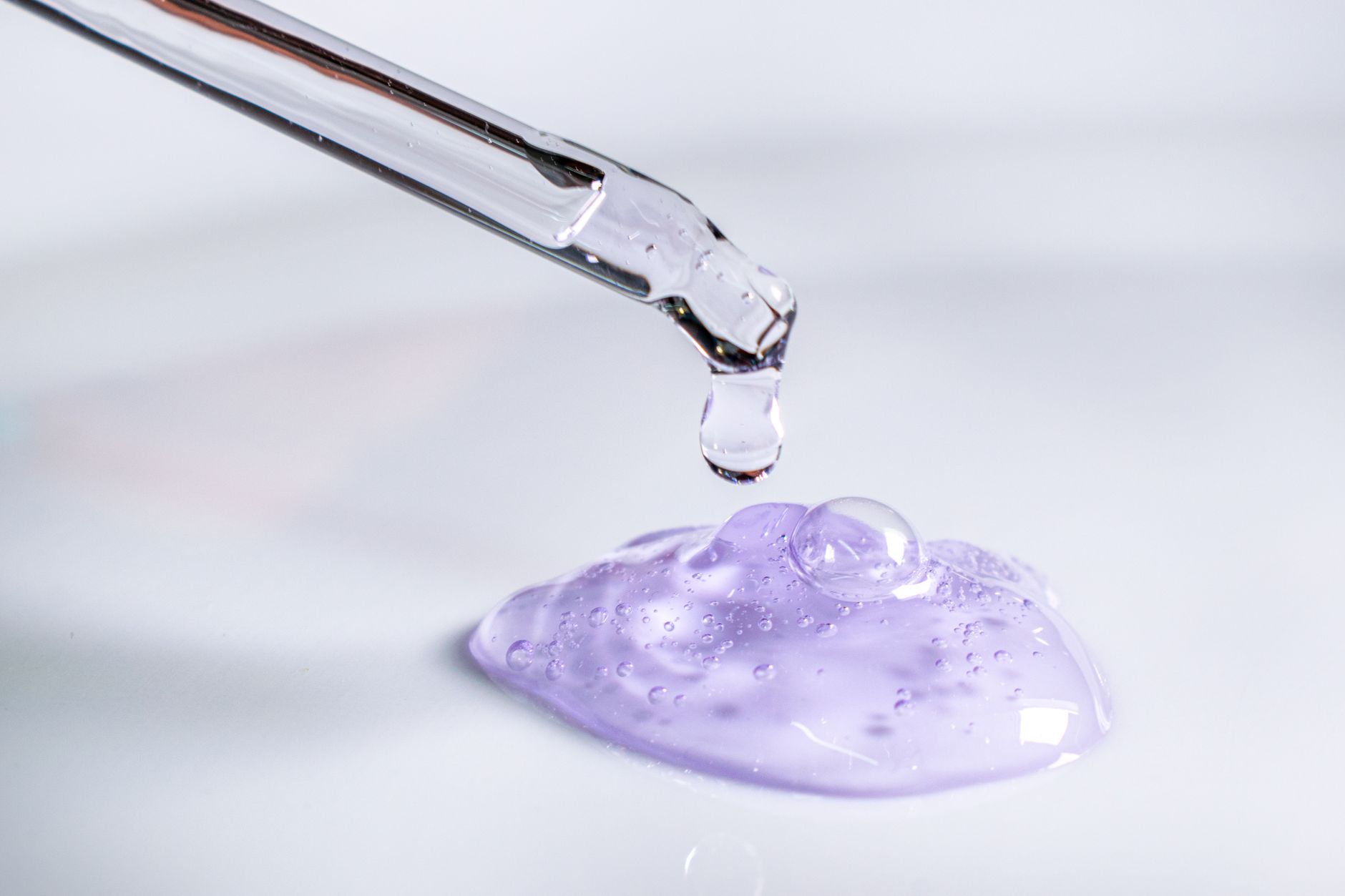
Use this hyaluronic acid acne checklist to track dryness, ask about layering with acne actives, and verify your formula and technique. Hyaluronic acid, a sugar molecule the body naturally produces, binds water to collagen and traps water in skin. It hydrates rather than exfoliates or clears clogged pores. That distinction shapes what you should expect, monitor, and discuss for acne-prone skin.
Medical information disclaimer: This article is for general educational purposes only and does not provide medical advice, diagnosis, or treatment. Always consult a physician or other qualified health professional about symptoms, medications, tests, or treatment decisions.
Table of Contents
- What hyaluronic acid does for acne-prone skin
- Is it purging or a formula problem?
- What to track each week
- What to ask before layering actives
- How to verify technique and label claims
What hyaluronic acid does for acne-prone skin
Hyaluronic acid is noncomedogenic and generally does not cause acne. Adequate hydration can reduce dryness-related acne risk and make drying treatments easier to keep using. Cleveland Clinic explains in its guide to facial acids from Cleveland Clinic that hyaluronic acid binds water to collagen and traps water in skin.
Think of it as a water holder, not a pore cleaner. It will not dissolve blackheads, unclog pores, or replace benzoyl peroxide or retinoids. Its practical acne role is buffering tightness, flaking, and irritation that can derail consistent treatment.
Is it purging or a formula problem?
Hyaluronic acid does not increase skin-cell turnover and therefore does not cause true purging. New pimples in new areas, or breakouts lasting beyond 4-6 weeks, point to irritation or a pore-clogging base. When a hyaluronic-acid product triggers new pimples, suspect the other ingredients.
Lanolin, cocoa butter, heavy oils, waxes, or fragrance are common culprits, so check the full ingredient list. Compare location and timing before changing everything at once. A reaction only where you applied a new serum suggests the base formula, while widespread new-area acne after one addition deserves a pause.
What to track each week
Track whether hyaluronic acid buffers dryness from retinoids or benzoyl peroxide. GoodRx notes in its dermatologist-reviewed GoodRx acne guide that hydration can make those drying treatments easier to keep using.
Use brief notes for two to four weeks after any change: Patterns matter more than one bad day. Less tightness with stable acne suggests the hydrator is helping tolerance, while persistent new-area pimples suggest the base needs review.
- dryness, tightness, flaking, or stinging level
- new pimples by location, count, and start date
- other new products, actives, or missed sunscreen days
- whether dryness eases within an hour of application
What to ask before layering actives
Ask a dermatologist about layering hyaluronic acid with retinoids or benzoyl peroxide plus daily sunscreen. Those acne actives increase dryness and sun sensitivity, so order and frequency matter. Bring your weekly notes, full product names, and ingredient lists.
Ask where hyaluronic acid fits, how long to wait between layers, and whether morning, night, or both suits your regimen. Also ask what to stop first if irritation spreads. Clear stop rules prevent over-treating inflamed skin with more actives.
How to verify technique and label claims
Apply hyaluronic acid to slightly damp skin and seal with moisturizer. Refinery29 quoting dermatologist Dr. Ava Shamban explains in its interview about hyaluronic acid use that without available water or a seal it can leave tightness or temporary dryness, especially in dry air.
Treat gentle labels as a starting screen only. The U.S. FDA states in its FDA statement on hypoallergenic cosmetics that there are no federal standards governing hypoallergenic, and makers need not submit substantiation. Patch-test, introduce one product at a time, and stop for itching, swelling, or persistent new-area acne.