
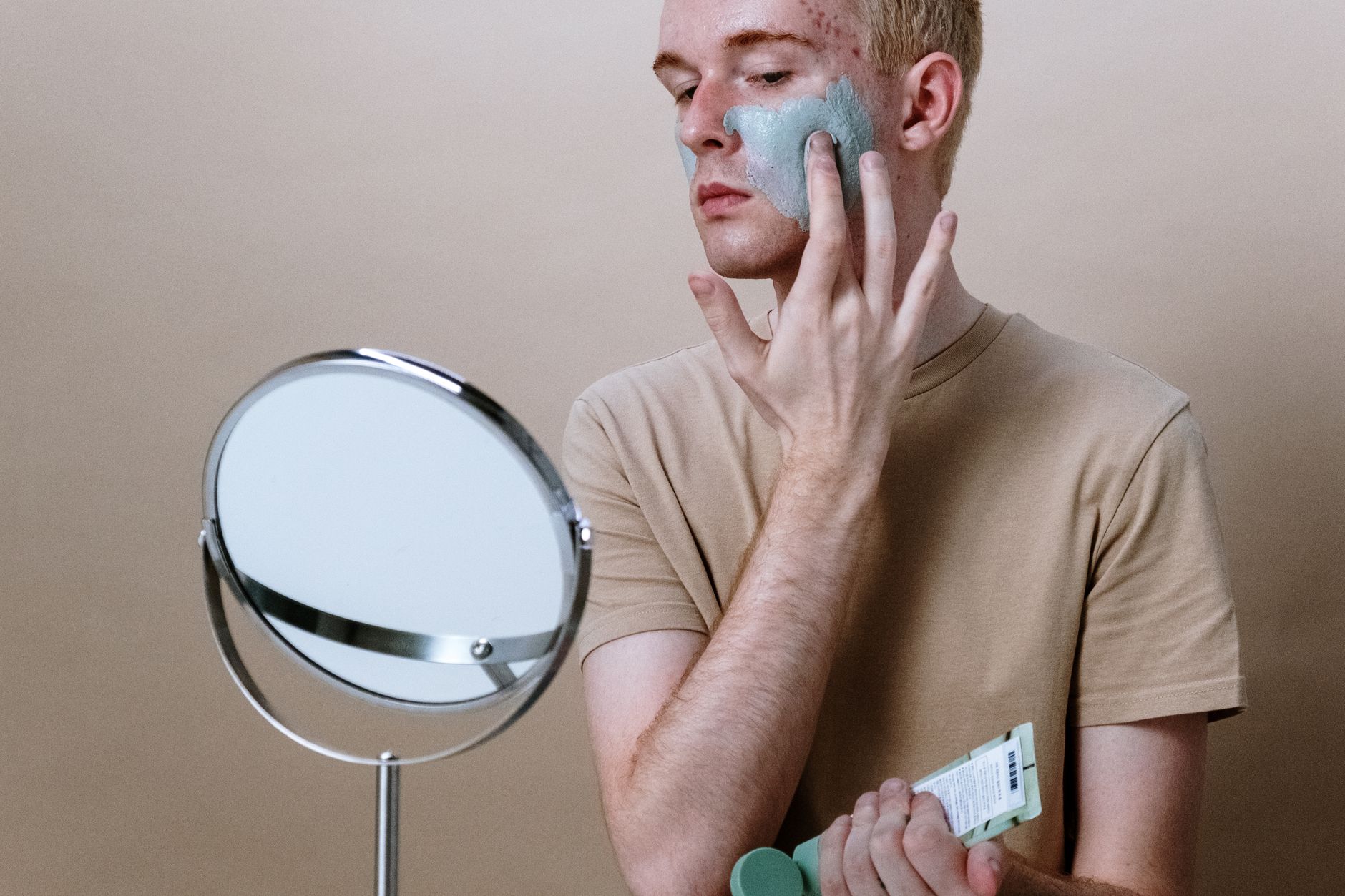
Acne fulminans is a sudden, severe form of acne that causes painful, bleeding sores plus fever, joint pain and illness. Your checklist is simple: track skin and body-wide symptoms daily, ask about drug and hormone triggers, and verify labs, urine tests and imaging. Use the list at home and bring it to care.
It mainly affects males ages 13-22 during puberty, usually after months to years of prior acne vulgaris. According to Cleveland Clinic, high testosterone levels are linked to onset Cleveland Clinic overview. Fast tracking matters because sores can ulcerate and leave severe scarring.
Medical information disclaimer: This article is for general educational purposes only and does not provide medical advice, diagnosis, or treatment. Always consult a physician or other qualified health professional about symptoms, medications, tests, or treatment decisions.
Table of Contents
- Who should use this checklist?
- Which skin changes should you track?
- Which body-wide symptoms should you track?
- What triggers should you ask about?
- What should you verify and expect from treatment?
Who should use this checklist?
Teen boys and young men with worsening inflammatory acne should use it during puberty. Prior common acne lasting months or years is the usual background. Family history of severe acne raises concern.
Use it when nodules turn very painful, friable, or bloody. Use it again if fever, tiredness, or joint pain starts with a breakout. Early records help separate a flare from fulminans.
Which skin changes should you track?
DermNet describes abrupt painful nodules and friable plaques that ulcerate, bleed, and form hemorrhagic crusts DermNet guide to acne fulminans. Face, chest, and back are the main sites.
Healing often leaves severe scars. Track each day in plain notes:.
- count, size, and site of nodules and plaques
- pain level, bleeding, oozing, and crust color
- smell, rapid spread, and new ulcers
- photos in the same light to show change
Which body-wide symptoms should you track?
Track fluctuating fever, malaise, muscle pain, and joint pain. Note sacroiliac, ankle, shoulder, and knee pain, plus bone pain. Also note weight loss, appetite loss, liver or spleen swelling, and tender red lumps of erythema nodosum.
Log temperature, pain sites, sleep, missed school or work, and pain drugs used. Bring a dated list of joint swelling, stiffness, and limits on walking or lifting. That pattern helps the clinician judge systemic involvement.
What triggers should you ask about?
Ask about high starting-dose isotretinoin, anabolic-steroid or testosterone use, and recent androgen shifts. Cleveland Clinic also lists family history of severe acne and autoimmune or genetic predisposition.
Bring every acne drug, supplement, powder, and hormone product. Ask these direct questions:.
- did symptoms start after a new dose or steroid product
- is there severe acne in close relatives
- is there personal or family autoimmunity
- what changed in the last 8-12 weeks
What should you verify and expect from treatment?
Verify anemia, leukocytosis with neutrophilia, high ESR and CRP, and proteinuria or microscopic hematuria. Verify X-ray findings such as osteolytic lesions of sternum, clavicles, sacroiliac joints, or hips. Ask how the case is classed, with or without systemic symptoms, and whether isotretinoin, SAPHO, PAPA, or PASH applies.
Treatment first calms inflammation with oral corticosteroids such as prednisone or prednisolone, then slowly adds low-dose isotretinoin with steroid overlap. The full course commonly takes weeks to months. The 2017 JAAD panel notes no large randomized trials support treatment, so care rests on case series and expert consensus and must be individualized and monitored JAAD expert panel abstract. Bring symptom dates, drug list, and test results to each visit.