
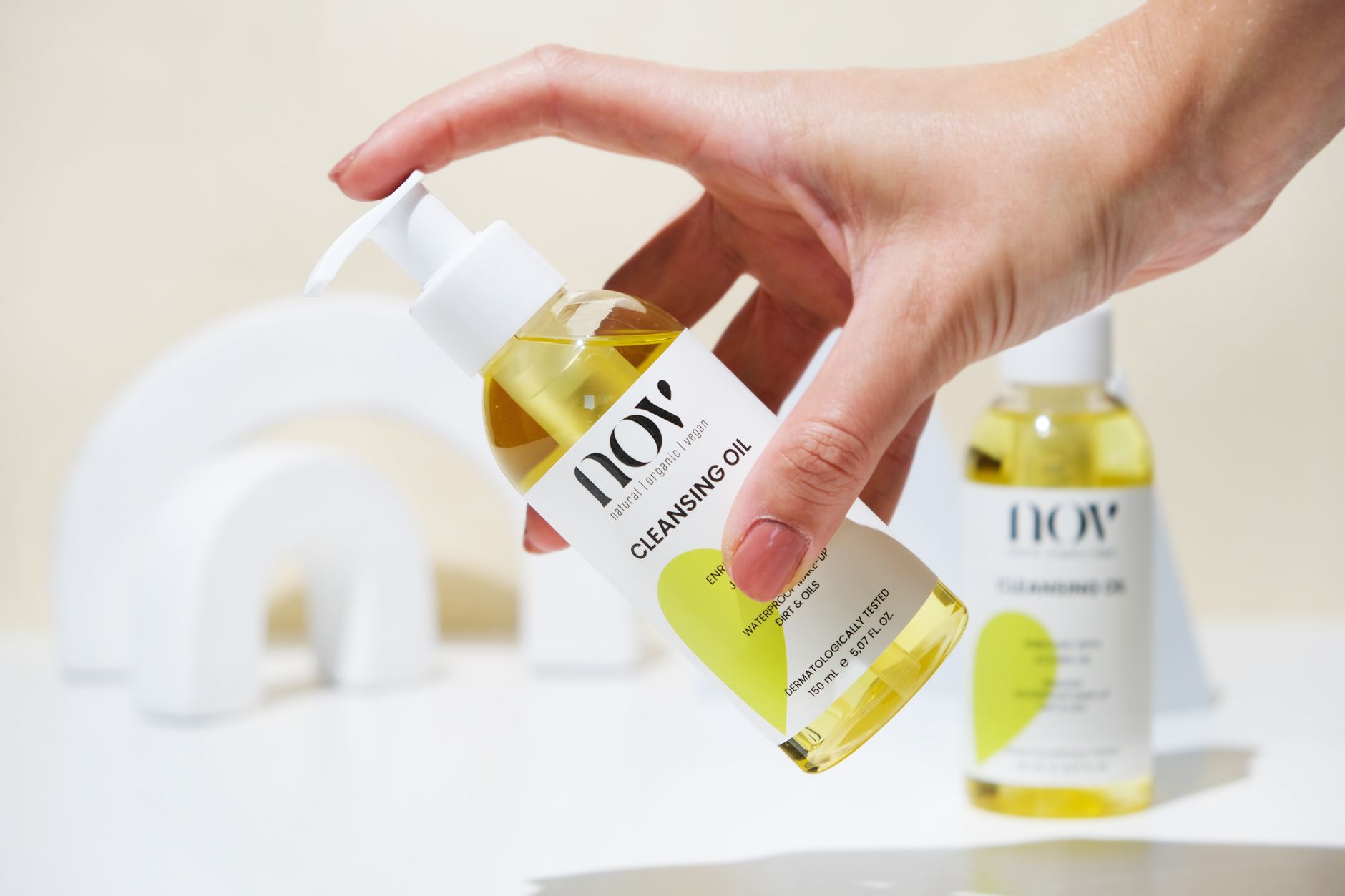
This oil-cleansing acne checklist tells you what to track, what to ask, and what to verify to judge whether the routine helps acne-prone skin. Oil cleansing here means double cleansing, a first wash with an oil-based cleanser followed by a second wash with a water-based cleanser. Acne-prone readers face a trade-off because oil can dissolve makeup and excess sebum yet also trigger breakouts when poorly matched. Use the checks below to fit the method to your skin, watch change over weeks, and avoid misleading label claims.
Medical information disclaimer: This article is for general educational purposes only and does not provide medical advice, diagnosis, or treatment. Always consult a physician or other qualified health professional about symptoms, medications, tests, or treatment decisions.
Table of Contents
- Does oil cleansing fit acne-prone skin?
- What should you track each week?
- How should you wash day to day?
- What should you ask before you buy?
- When should you stay the course or get advice?
Does oil cleansing fit acne-prone skin?
Cleveland Clinic describes double cleansing as washing first with an oil-based cleanser to dissolve waterproof makeup, sunscreen and excess sebum, then washing again with a water-based cleanser to remove sweat and residue, as explained in Cleveland Clinic's double-cleansing guide. That two-step order matters because the oil step alone leaves film and residue behind. A Cleveland Clinic dermatologist warns that oil-based cleansers can cause breakouts on acne-prone skin, especially when used alone without the water-based second cleanse.
Match the oil to your skin type and always complete both steps when you wear sunscreen or heavy makeup. For the second cleanse, Cleveland Clinic advises avoiding harsh, excessively drying or fragranced cleansers and choosing a gentle formula by skin type. Dry or sensitive skin often does better with an unscented gentle cleanser because irritation makes acne look and feel worse.
What should you track each week?
Track change, not single-day redness. Dermatologists advise letting skin heal while watching new painful lumps, scarring, and whether breakouts decrease over weeks, according to the American Academy of Dermatology.
Keep a short weekly log you can compare: Review the log for direction over several weeks rather than reacting to one bad morning. Steady fewer new lumps and less scarring matter more than fast drying or a brief clear spell.
- new painful lumps and where they appear
- picking, popping or squeezing episodes
- days you completed both cleanses
- dryness, burning, itching or new breakouts after a product change
How should you wash day to day?
The American Academy of Dermatology advises washing acne-prone skin up to twice daily and after sweating. Use a gentle, non-abrasive cleanser applied with fingertips because scrubbing with washcloths, sponges or tools irritates skin and worsens acne. Use lukewarm water, short contact time, and light fingertip pressure.
Pat dry with a clean towel and apply other acne care while skin feels comfortable, not tight. Dermatologists advise never picking, popping or squeezing acne because it prolongs clearing and raises scarring risk. Hands-off care keeps your weekly tracking valid and protects healing spots.
What should you ask before you buy?
Ask how the product proves its pore-safety claim, not only what the front label says. The U.S. Food and Drug Administration notes in its FDA cosmetics approval Q&A that it does not preapprove cosmetics before marketing except color additives, while makers bear legal responsibility for safety and truthful labeling. A noncomedogenic or hypoallergenic label alone therefore does not prove pore-safety testing occurred.
Ask what testing supports the claim, who was tested, and whether the finished formula was tested rather than single ingredients. Ask about fragrance, strong detergents, and return options if irritation appears. Treat the familiar 0-5 comedogenicity scale with caution because it derives largely from 1970s-1980s rabbit-ear assays applying undiluted ingredients to highly reactive rabbit ears, as reported in the Acta Dermato-Venereologica rabbit-ear study. Rabbit comedones differ from human acne comedones, so mild or moderate scores may lack clinical meaning for your skin.
When should you stay the course or get advice?
Judge any oil-cleansing routine over 6-12 weeks, not days. The U.K. National Health Service says in its NHS benzoyl peroxide guidance that benzoyl peroxide usually starts working within 4 weeks and advises seeing a pharmacist or GP if acne worsens or has not improved after 12 weeks.
Keep the routine only when breakouts trend down, painful lumps become rarer, and irritation stays low. Change one variable at a time when results stall, such as the oil formula, second cleanser, frequency, or makeup load. Seek advice promptly for worsening acne, spreading pain, scarring, or no improvement by 12 weeks. Bring your weekly notes to the pharmacist or GP visit.