
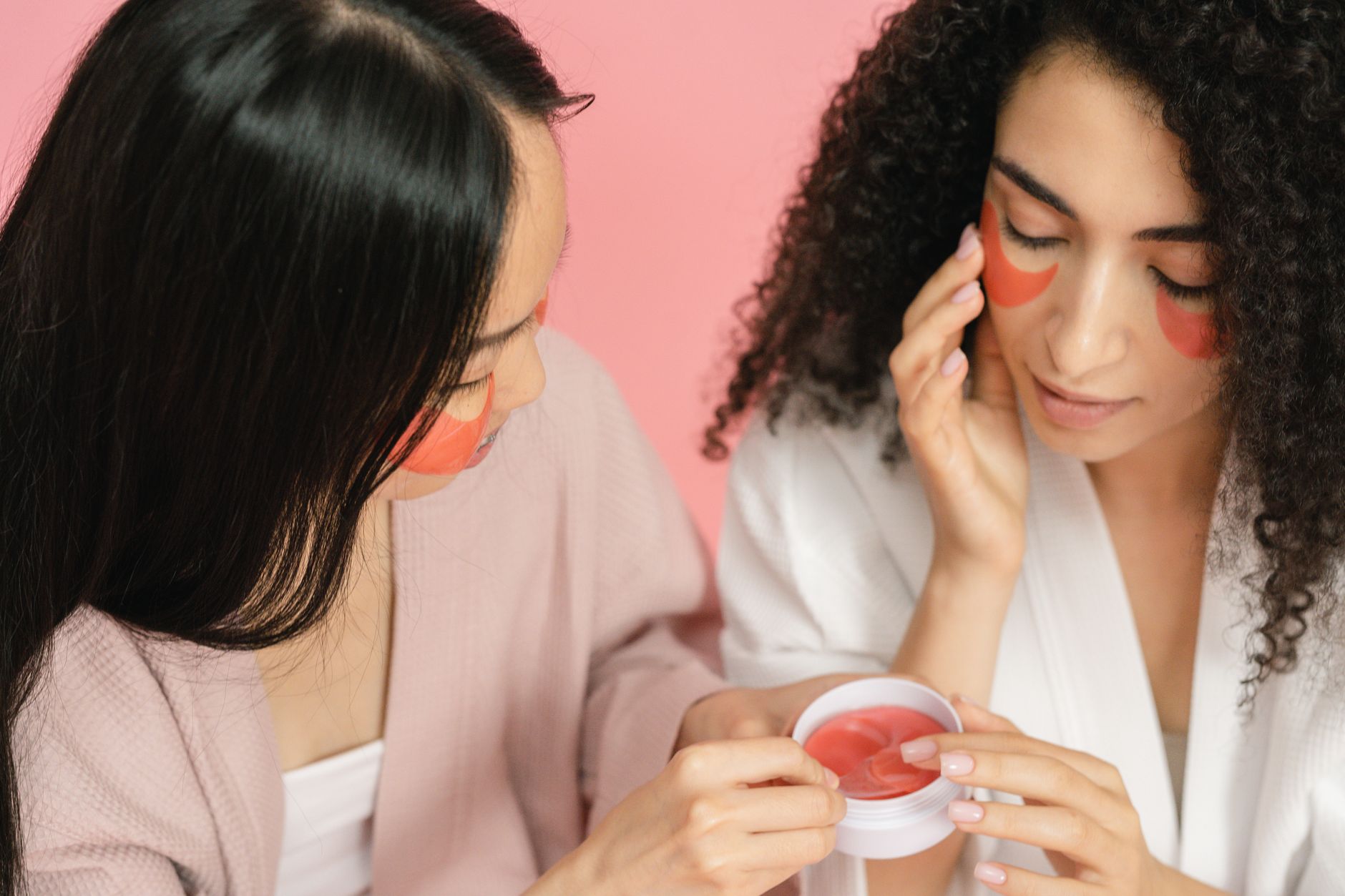
This skincare FAQ gives direct, evidence-based answers to common questions about sunscreen, acne, aging signs, and dry skin. It focuses on what major dermatology guidance and controlled skin studies support for everyday decisions. You will find practical steps for sun protection, acne care, photoaging ingredients, and moisture care. Photoaging means early skin aging from sun exposure, including wrinkles and uneven texture.
Medical information disclaimer: This article is for general educational purposes only and does not provide medical advice, diagnosis, or treatment. Always consult a physician or other qualified health professional about symptoms, medications, tests, or treatment decisions.
Table of Contents
- How should I use sunscreen each day?
- Why does UV protection matter?
- What actually helps acne?
- Can retinol and vitamin C improve sun-aged skin?
- Does daily moisturizer help dry, eczema-prone skin?
How should I use sunscreen each day?
The American Academy of Dermatology advises everyone to apply broad-spectrum, water-resistant SPF 30+ sunscreen to exposed skin, according to AAD sunscreen guidance. Broad-spectrum means it guards against both UVA and UVB rays. Reapply about every 2 hours outdoors or after swimming or sweating, and add shade and protective clothing. The U.S.
Food and Drug Administration states that only broad-spectrum sunscreens with SPF 15 or higher show this added benefit, as explained in FDA sun-safety advice. Use them as directed, with shade and clothing, to reduce skin-cancer and early-aging risk. Other sunscreens only prevent sunburn and must warn buyers of that limit. A simple outdoor routine looks like this:.
- Apply to exposed skin before going out.
- Reapply about every 2 hours outside.
- Reapply after swimming or heavy sweating.
- Seek shade and wear a hat and sleeves.
Why does UV protection matter?
Melanoma is a serious type of skin cancer linked strongly to ultraviolet light. CDC guidance reports that about 65%-90% of melanomas are caused by ultraviolet exposure. That makes sun and tanning-device UV the most preventable skin-cancer cause for the general public.
The practical point is that daily habits matter more than one product. Sunscreen helps, but shade and clothing add protection when rays are strong. People who burn, work outside, or use tanning devices face higher preventable risk.
What actually helps acne?
The American Academy of Dermatology issued updated acne guidance in 2024, described in AAD acne guidelines. It gives strong recommendations for topical benzoyl peroxide to lower acne bacteria. Topical means applied to the skin rather than taken by mouth.
The same guidance strongly recommends topical retinoids such as adapalene and tretinoin to unclog pores. It also supports antibiotics or combinations for many adolescents and adults. A clinician can match the product, strength, and combination to age, skin type, and severity.
Can retinol and vitamin C improve sun-aged skin?
A one-year double-blind vehicle-controlled trial of 0.1% stabilized retinol reported clearer photodamaged skin, according to the Journal of Drugs in Dermatology study. Vehicle-controlled means volunteers received either active cream or the same cream base without retinol. Skin samples showed more type I procollagen, hyaluronan, and Ki67, which are markers of firmness, hydration, and cell renewal. A 12-week double-blind half-face trial tested topical vitamin C against vehicle, according to Dermatologic Surgery researchers.
Half-face means one cheek received vitamin C while the other received inactive cream. Wrinkling from photodamage improved more on the vitamin C side, and biopsies showed new collagen. Both results have limits worth noting. Retinol benefits grew with prolonged use, so short use may show less change. Vitamin C improved wrinkling, while hydration improved on both sides, likely from the cream base itself.
Does daily moisturizer help dry, eczema-prone skin?
Atopic dermatitis is a common form of eczema with dry, itchy, easily irritated skin. A clinical review in the American Journal of Clinical Dermatology found that nonprescription therapeutic moisturizers helped these patients. They decreased transepidermal water loss, which is water escaping through the skin barrier. The review also found higher hydration and fewer eczema flares with regular use.
Emollient is another word for a cream, lotion, or ointment that seals in moisture. The evidence supports daily emollient use after bathing for this group. For routine care, choose a plain, fragrance-free therapeutic moisturizer and use it every day. Apply moisturizer daily after bathing to lock in water.