
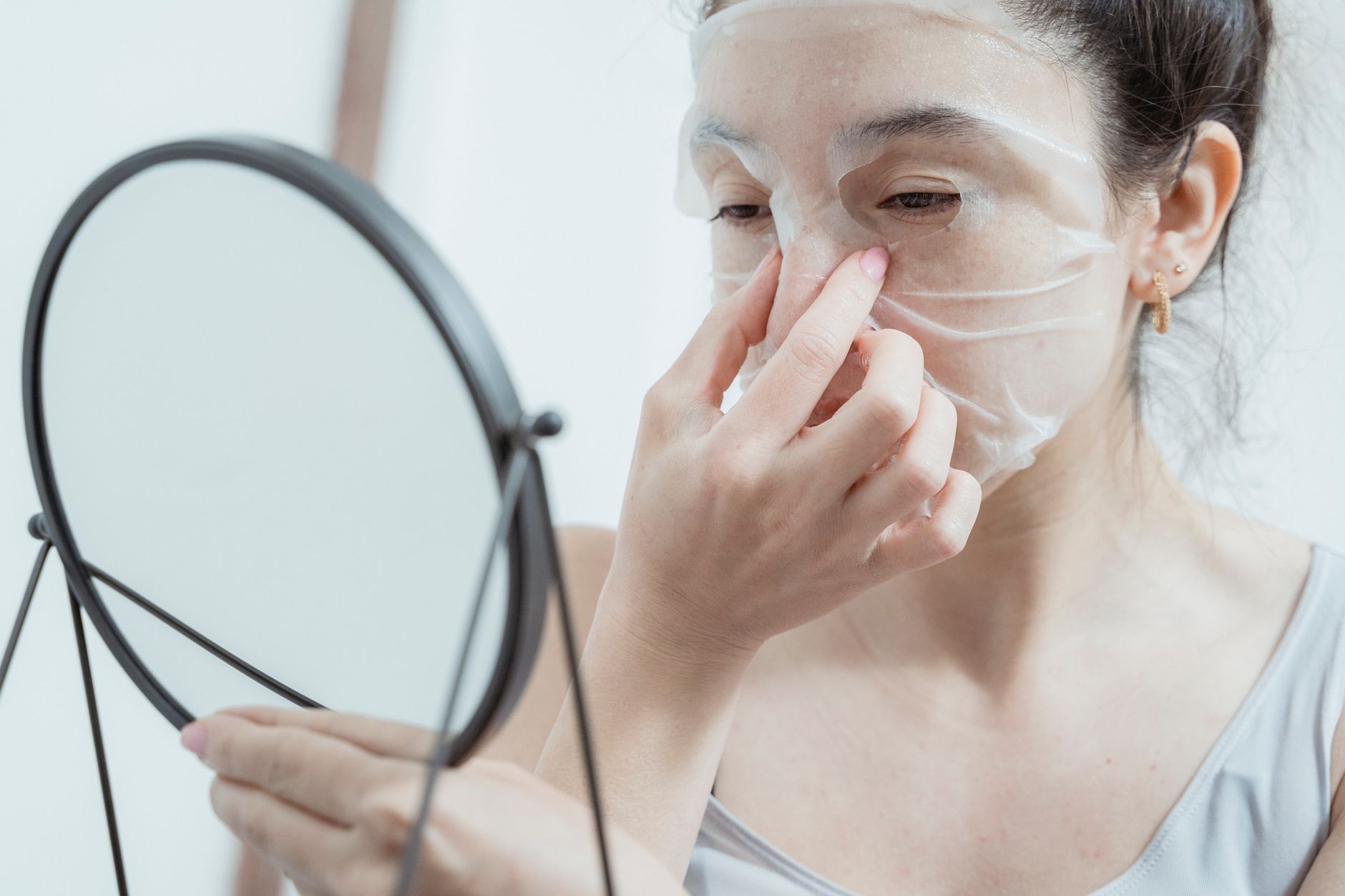
Skin purging is a short-term rise in visible comedones or pimples after starting a turnover-accelerating active. In 2026 the evidence still points to topical retinoids, AHAs, salicylic acid, and benzoyl peroxide as the usual triggers for new users. It affects people who already break out and fades as skin adjusts. Knowing the pattern, timing, and warning signs helps a reader decide whether to stay the course or seek care.
Medical information disclaimer: This article is for general educational purposes only and does not provide medical advice, diagnosis, or treatment. Always consult a physician or other qualified health professional about symptoms, medications, tests, or treatment decisions.
Table of Contents
- What counts as purging
- Why it happens where it does
- How long it lasts and how to tell the difference
- What to do while skin adjusts
What counts as purging
Dermatologists told Health that purging means more visible comedones or pimples shortly after starting one of those actives dermatologist guidance on purging. Plain moisturizer or sunscreen without actives does not cause it. The label fits only new users of exfoliating or retinoid products.
The lesions look like a person's typical breakouts, often whiteheads, blackheads, or small pimples. They cluster where breakouts usually occur. A sudden rash in a brand-new area points elsewhere.
Why it happens where it does
The proposed mechanism is faster cell turnover. Trapped oil and dead cells reach the surface sooner as microcomedones mature together.
That is why dermatologists expect purging only where someone usually breaks out. Forehead, chin, cheeks, or jawline may flare if those zones clog often. Clear zones should stay mostly clear.
How long it lasts and how to tell the difference
Purging lesions tend to appear faster, heal faster, and clear within about 4 to 6 weeks. FDA labeling for tretinoin warns that dryness, redness, swelling, peeling, itching, burning, and stinging are expected during early treatment tretinoin prescribing information. One trial table listed dry skin in 16 percent and peeling in 12 percent of tretinoin users, versus 1 to 2 percent with vehicle. The American Academy of Dermatology advises that meaningful acne improvement generally needs 6 to 12 weeks of steady use updated acne management guidelines.
That window includes combinations such as retinoid plus benzoyl peroxide. For oral isotretinoin, inflammatory flare affects about 6 percent of patients in the first month. Medical News Today reports that timelines rest on expert observation and retinoid side-effect data rather than purging-specific trials. Painful cysts in new areas, itch, burning, swelling, blisters, or worsening past 6 to 8 weeks favor breakout, allergy, or irritation. Those cases need a clinician, not patience.
What to do while skin adjusts
Keep the active going when lesions match the usual pattern and irritation stays mild. Use a pea-sized amount once nightly, drop to fewer nights per week, add moisturizer, and wear daily sun protection.
Stop picking and avoid adding more new actives at once. Seek prompt care for these signs: Short-course dose changes or other treatment may help selected patients with a severe flare. A dermatologist can judge whether to pause, switch, or treat through it.
- blistering, severe pain, swelling, or signs of allergy
- intense itch, burn, or spreading rash
- acne that keeps worsening beyond about 6 to 8 weeks