
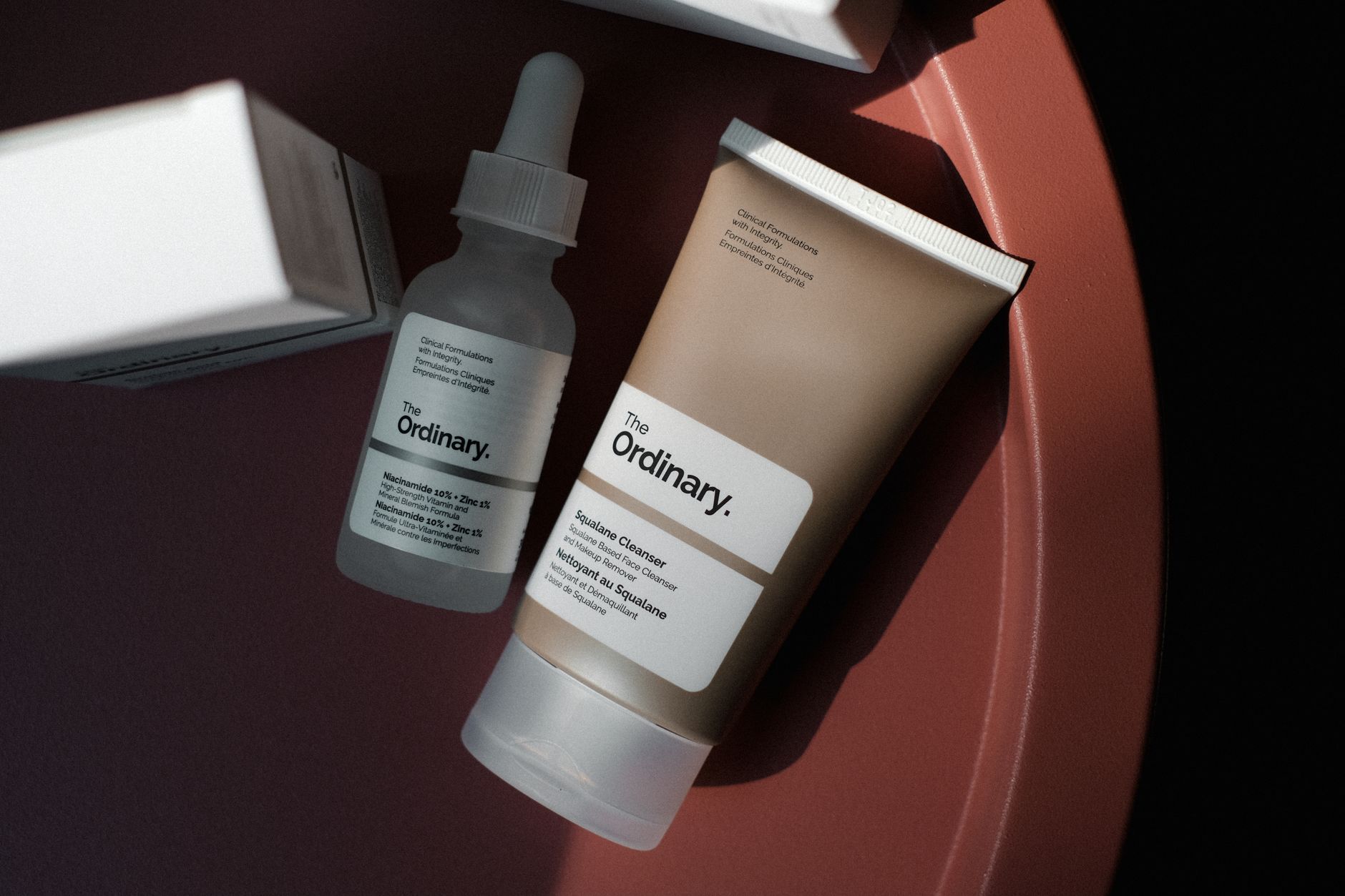
The Ordinary Acne Update 2026 compares The Ordinary's acne cosmetics with current dermatology evidence for acne. Its Acne Set, a three-step regimen with cleanser, salicylic-acid solution, and moisturizer, targets clearer-looking skin, not prescription treatment.
Dermatology guidelines give the strongest support to benzoyl peroxide, retinoids — vitamin-A-derived treatments — antibiotics, and isotretinoin for severe acne. Salicylic acid and azelaic acid have only conditional support because trial evidence remains limited. This guide shows what fits cosmetic care and when to seek medical care.
Medical information disclaimer: This article is for general educational purposes only and does not provide medical advice, diagnosis, or treatment. Always consult a physician or other qualified health professional about symptoms, medications, tests, or treatment decisions.
Table of Contents
- What's Inside the Acne Set?
- How Strong Is the Evidence?
- What Changed for Benzoyl Peroxide Users?
- How to Use Azelaic Acid and Decide Next Steps?
What's Inside the Acne Set?
The Ordinary markets The Acne Set as a three-step regimen for clearer-looking skin, per its official product page The Ordinary Acne Set page. The set contains Glucoside Foaming Cleanser, Salicylic Acid 2% Solution, and Natural Moisturizing Factors + Beta Glucan.
The routine follows a simple order: cleanse, treat, and moisturize. Clearer-looking means improved appearance, not cleared disease.
- Cleanse with Glucoside Foaming Cleanser
- Apply Salicylic Acid 2% Solution
- Hydrate with Natural Moisturizing Factors + Beta Glucan
How Strong Is the Evidence?
The 2024 American Academy of Dermatology guidelines strongly recommend several proven treatments, as reported by the Academy Academy guideline announcement. They include topical benzoyl peroxide, topical retinoids, topical or oral antibiotics including doxycycline, and oral isotretinoin for severe acne. The same guidelines give only conditional support to salicylic acid, azelaic acid, clascoterone, minocycline or sarecycline, combined oral contraceptives, and spironolactone. Trial evidence remains limited, according to MDedge reporting on the guidelines guideline evidence summary.
Salicylic-acid support rested on one low-certainty trial and azelaic acid on three moderate-certainty trials. Optimal dose, duration, and comparative efficacy remain open. DECIEM notes say Niacinamide 10% + Zinc 1% only reduce the look of blemishes and balance visible sebum, skin oil. The company states they are not an acne treatment and advises benzoyl peroxide or retinoic acid for persistent acne.
What Changed for Benzoyl Peroxide Users?
FDA testing announced March 11, 2025 examined 95 benzoyl-peroxide products for benzene, a chemical contaminant. More than 90% had undetectable or extremely low benzene, according to the FDA FDA benzene testing alert.
Only a limited number warranted retail-level voluntary recalls. Benzene can form as benzoyl peroxide breaks down, especially with heat or long storage, according to the Acne and Rosacea Society of Canada. The group advises cool storage, checking recall lots, and seeking persistent-acne care rather than prolonged cosmetic-only use.
How to Use Azelaic Acid and Decide Next Steps?
The Ordinary directs users to apply Azelaic Acid Suspension 10% morning and evening, with sun protection during the day. It advises prior patch testing, a small-area skin test, use only on unbroken skin, and stopping if irritation occurs.
Use cosmetic steps for mild concerns and move to medical care when breakouts persist. Bring your product list and storage habits to that visit to speed decisions.
- Patch-test new products and stop if burning, redness, or swelling spreads
- Use daily sun protection with daytime acids
- Ask a clinician about guideline-backed options if acne persists beyond cosmetic care