
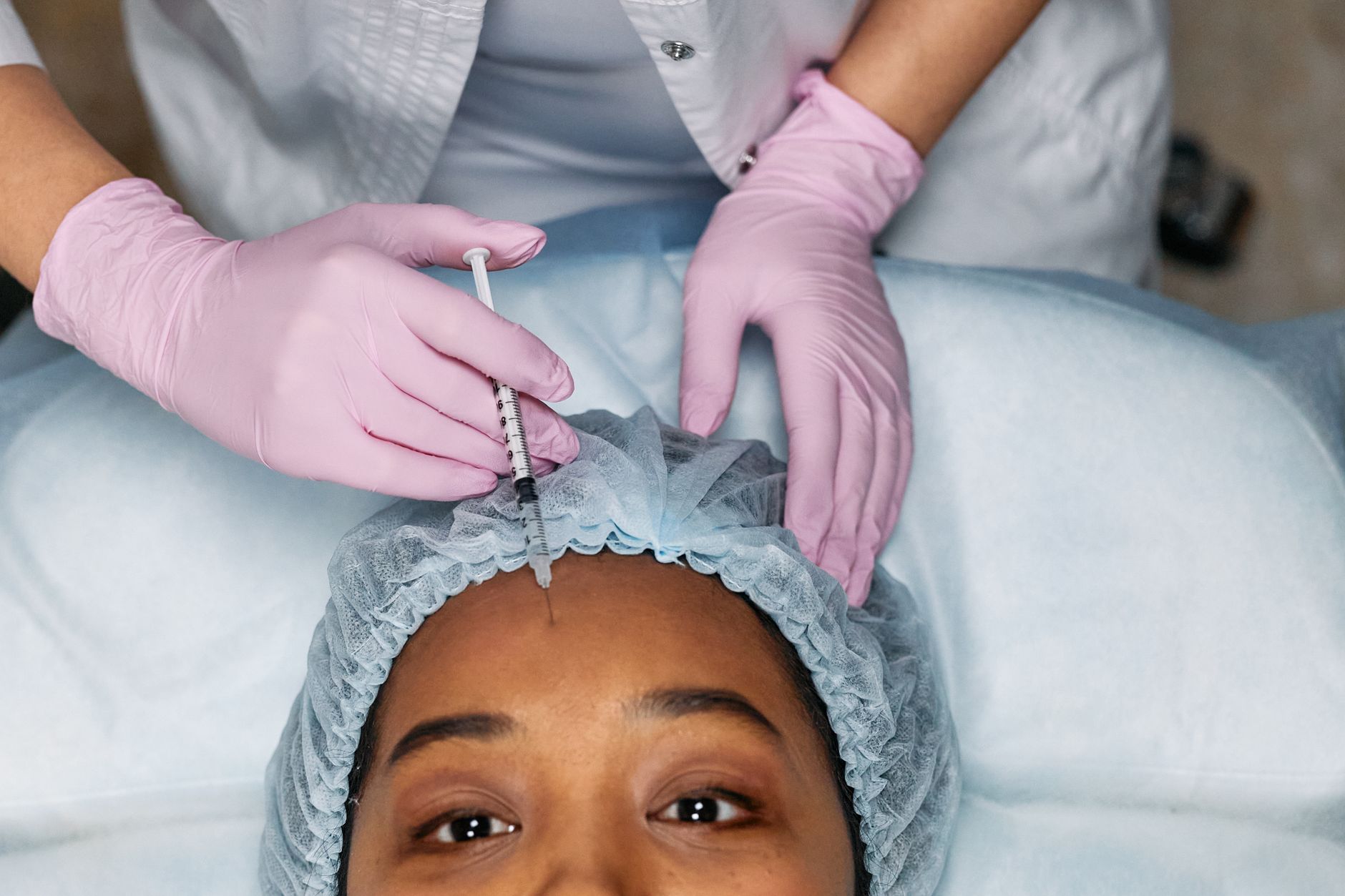
Dermal fillers, gels injected beneath the skin to add volume, lift depressed acne scars toward the level of surrounding skin but give temporary results and carry real risks. Most hyaluronic-acid corrections fade within months or years and need repeat injections, while common harms include swelling, bruising, lumps, and infection. The Cleveland Clinic explains that fillers work by placing volume under atrophic scars for immediate smoothing, with maintenance required to keep the effect Cleveland Clinic overview. Readers considering this option need to weigh scar type, duration, cost of retreatments, and safety warnings before booking treatment.
Medical information disclaimer: This article is for general educational purposes only and does not provide medical advice, diagnosis, or treatment. Always consult a physician or other qualified health professional about symptoms, medications, tests, or treatment decisions.
Table of Contents
- How fillers lift depressed scars
- How long do results last
- Who qualifies for treatment
- Risks and warning signs to act on
How fillers lift depressed scars
Dermal fillers target atrophic scars, the shallow pits left after inflammatory acne destroys collagen. A clinician injects material directly beneath the depression. The added volume raises the scar base closer to the surrounding skin surface.
The change is visible right away. Makeup sits more evenly and shadows in pitted cheeks look softer. The underlying scar process remains, so the lift depends on filler staying in place.
How long do results last
Most hyaluronic-acid fillers last months to a few years, according to the Cleveland Clinic, then the body gradually breaks them down filler duration and maintenance. Patients who want continued smoothness must plan for repeat injections.
Bellafill, made of PMMA microspheres in bovine collagen gel, lasts longer than hyaluronic-acid options. Suneva Medical reports its acne-scar approval covers about one year, while its nasolabial-fold approval extends to five years five-year Bellafill safety study. In the approval trial, 64% of 87 Bellafill-treated patients reported improvement at six months versus 33% of 46 controls, with benefit beyond one year.
Who qualifies for treatment
Bellafill is the only filler FDA-approved in the United States for moderate-to-severe distensible cheek acne scars in patients over 21, per the FDA approval notice. Distensible means the scar flattens when nearby skin is stretched. Rolling-type cheek scars fit this pattern best.
Deep ice-pick scars, non-distensible scars, and scars outside the cheeks respond poorly. Those cases often need combination therapy, such as laser, microneedling, subcision, or chemical peels. A dermatologist can test distensibility and map scar types at consultation.
Risks and warning signs to act on
Common reactions include swelling, redness, bruising, pain, itching, lumps, nodules, infection, and granulomas. Bellafill labeling specifically warns of lumps, swelling, granulomas, and visible irregularities.
Rare but severe harm occurs when filler enters or presses on a blood vessel. Reported outcomes include skin death, vision loss or blindness, brain ischemia or bleeding, and stroke. Hyaluronic-acid vessel blockage may be reversed with hyaluronidase when caught early, unlike non-dissolvable PMMA, according to clinical consensus guidance.
- Stop injection and seek urgent care for vision changes, drooping eyelid, or eye pain
- Seek urgent care for stroke signs such as facial droop, slurred speech, or weakness
- Seek urgent care for white or mottled blanching, severe or unusual pain, or spreading redness with fever