
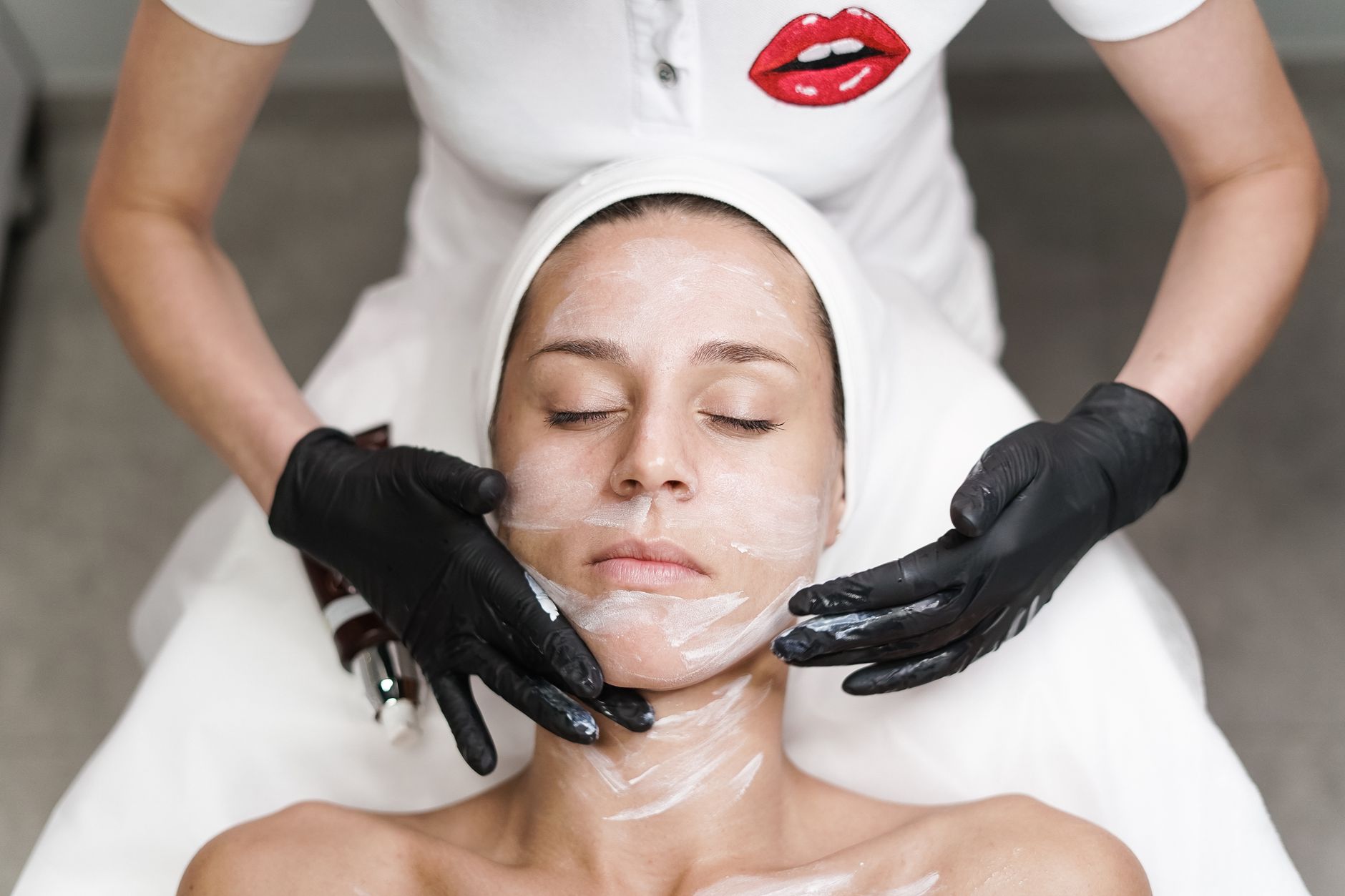
Inflammatory acne treatment targets red, swollen papules and pustules to reduce bacteria, unclog pores, and calm redness. Inflammatory acne means breakouts where trapped oil and dead skin trigger an immune response, so bumps look red, feel tender, and may hold pus. Papules are small solid bumps without visible pus, while pustules contain pus and often develop from inflamed papules. Both types can appear on the face, back, chest, and shoulders, according to Cleveland Clinic in its inflammatory acne overview.
Medical information disclaimer: This article is for general educational purposes only and does not provide medical advice, diagnosis, or treatment. Always consult a physician or other qualified health professional about symptoms, medications, tests, or treatment decisions.
Table of Contents
- How do papules and pustules differ?
- Why does the skin become red and swollen?
- What do first-line creams do?
- When are antibiotics or isotretinoin used?
- How should skin be handled during treatment?
How do papules and pustules differ?
Papules are small, solid, tender red bumps without a visible pus center. Pustules have a white or yellow center because they contain pus mixed with dead skin cells and excess oil. That visible center does not mean the lesion is ready to squeeze.
Picking can spread inflammation, delay healing, and raise scarring risk. Redness around either type signals active inflammation rather than infection alone. Deeper, severely painful lumps are a different category and need prompt medical assessment. This article focuses on papules, pustules, and surrounding redness.
Why does the skin become red and swollen?
Blocked hair follicles trap sebum and dead cells beneath the surface. Normally present Cutibacterium acnes can then multiply and provoke inflammation, redness, and pus, as explained by Harvard Health Publishing in its acne guide. The result is swelling, warmth, tenderness, and visible redness.
More blockage and stronger inflammation usually produce larger or more painful bumps. Oil production, dead-cell buildup, bacteria, and inflammation all contribute. NIAMS states that treatment therefore aims to heal current lesions, stop new lesions, and prevent scarring by targeting those causes in its acne treatment summary.
What do first-line creams do?
The 2024 American Academy of Dermatology guidelines strongly recommend benzoyl peroxide to reduce acne-causing bacteria. The same guidelines strongly recommend topical retinoids such as adapalene, tretinoin, tazarotene, and trifarotene to unclog pores and reduce inflammation, according to the Academy in its updated acne guideline announcement. Benzoyl peroxide works mainly against bacteria.
Retinoids help normalize pore shedding, clear plugs, and reduce inflammatory lesions over time. Many people use these medicines together or alongside other topicals. A clinician can match strength, vehicle, and schedule to skin sensitivity and breakout pattern.
When are antibiotics or isotretinoin used?
Doctors often prescribe topical antibiotics or oral doxycycline for more widespread inflammatory acne. The Academy advises against topical antibiotic treatment alone and recommends combining systemic antibiotics with benzoyl peroxide and other topicals to limit resistance. Combination treatment attacks bacteria while also clearing plugs and inflammation.
It also reduces the chance that bacteria survive antibiotic treatment. Isotretinoin is reserved for severe nodular acne that has not responded to other therapy, including antibiotics. The FDA notes that it can cause birth defects and serious mental-health effects and is dispensed only through the iPLEDGE safety program in its iPLEDGE questions and answers.
How should skin be handled during treatment?
Use gentle skin care and leave papules and pustules alone. Do not pick, squeeze, scrub hard, or try to dry active spots with harsh products.
A steady routine helps more than frequent changes: Allow about eight to twelve weeks of consistent treatment before judging benefit. Seek dermatology care for spreading, painful, scarring, or nonresponding disease.
- wash gently once or twice daily and after heavy sweating
- use noncomedogenic moisturizer and sunscreen as needed
- apply prescribed products consistently, even after breakouts look better
- track new lesions, pain, spreading, or scarring