
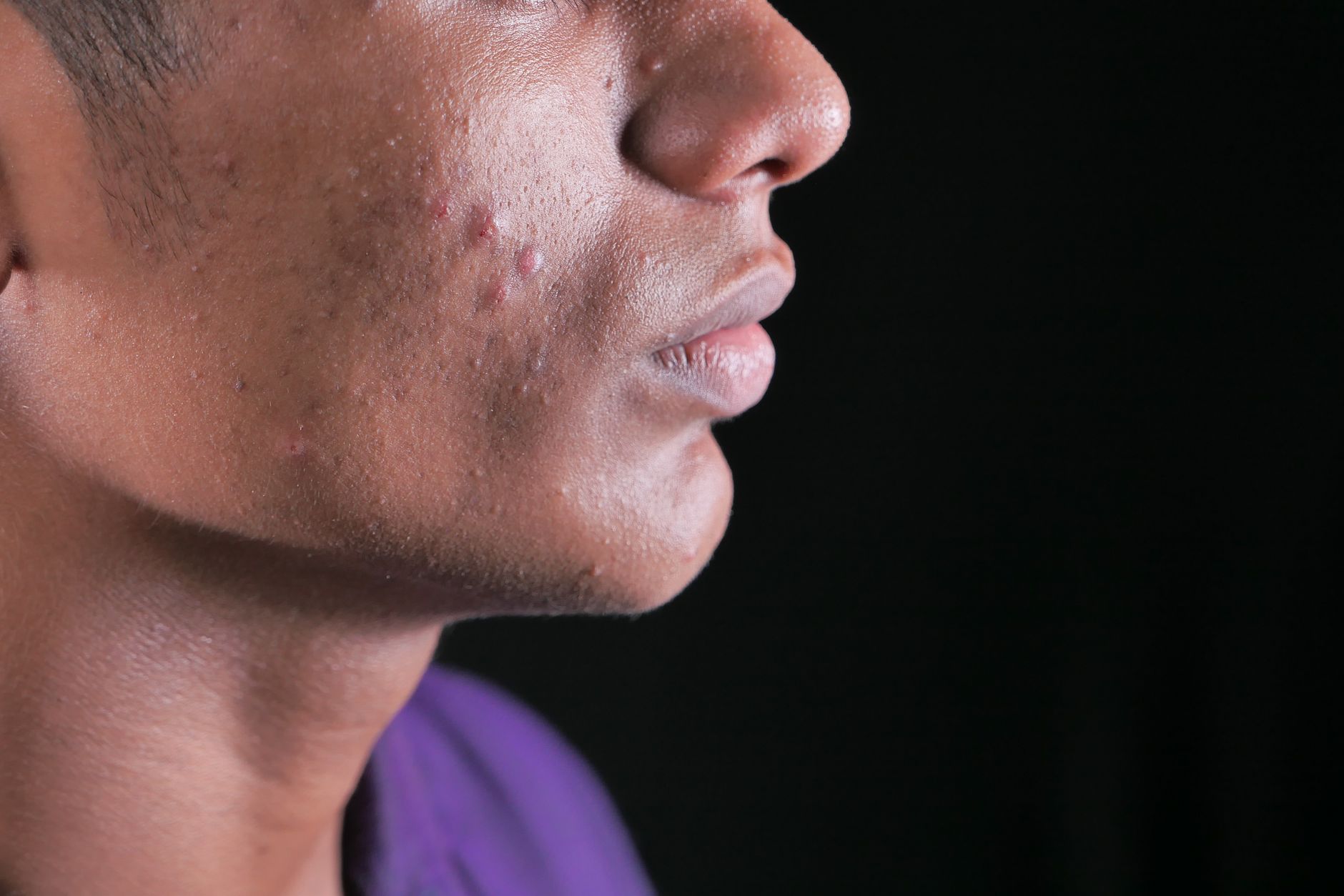
Teenage acne is clogged, inflamed pores during the puberty years, and a safety-first approach means gentle skin care plus prompt medical care for severe or distressing breakouts. Acne is the medical term for blackheads, whiteheads, pimples, and deeper painful lumps that form when pores clog. Hormone shifts make teens especially likely to develop it, so beginners should focus on what is normal, what helps, and what needs a doctor. This overview explains causes, signs, daily control steps, and treatment limits.
Medical information disclaimer: This article is for general educational purposes only and does not provide medical advice, diagnosis, or treatment. Always consult a physician or other qualified health professional about symptoms, medications, tests, or treatment decisions.
Table of Contents
- Why are teens so likely to get acne?
- What does teen acne look like?
- Which daily habits help control breakouts?
- When should treatment or a doctor enter the picture?
Why are teens so likely to get acne?
Rising androgens in both boys and girls during puberty enlarge oil glands and raise sebum production, making being a teen the greatest risk factor for acne, according to the National Institute of Arthritis and Musculoskeletal and Skin Diseases. Sebum is the oily substance that keeps skin from drying out.
Acne develops when hair, sebum, and skin cells stick together inside a pore, combined with excess oil, dead-skin buildup, and bacterial growth, according to the same institute. That clog can then swell, redden, or fill with pus.
What does teen acne look like?
Teen acne ranges from mild spots to severe deep painful lumps, usually on the face, chest, and back, according to the UK National Health Service. Common forms include whiteheads, blackheads, papules, pustules, nodules, and cysts.
Whiteheads stay closed under the surface, while blackheads open and darken at the surface. Papules and pustules are red, raised, and sometimes contain pus, while nodules and cysts sit deeper and hurt more.
Which daily habits help control breakouts?
For control, wash skin once or twice daily with a gentle cleanser, use noncomedogenic products, avoid scrubbing, and do not pick or squeeze pimples, according to University of Michigan Health guidance. Noncomedogenic means the product is made to avoid clogging pores.
Small habits matter more than force: Picking worsens breakouts and raises scar risk. Gentle care protects the skin barrier while treatment has time to work.
- Wash once or twice daily with a gentle cleanser
- Choose noncomedogenic skin and hair products
- Keep hands off pimples and avoid scrubbing
- Let picked, bleeding, or scabbed spots heal without squeezing
When should treatment or a doctor enter the picture?
Some teens need prescription care. The combination adapalene 0.1 percent with benzoyl peroxide 2.5 percent is approved down to age 9 after a 12-week pediatric trial showed improvement in nearly 70 percent versus 23 percent with vehicle, according to Managed Healthcare Executive reporting on the FDA action. Common effects in the trial were dryness, redness, irritation, and burning.
Stronger drugs have stricter limits. Isotretinoin is prescription-only for severe hard-to-treat nodular acne, is highly harmful during pregnancy, and is available only under the restricted iPLEDGE program, according to the U.S. Food and Drug Administration. Acne can also impair mental health through anxiety, depression, and low self-esteem, so the UK National Health Service advises seeing a GP or dermatologist if self-care fails after weeks, lesions are deep, widespread, scarring or infected, or distress is significant.