
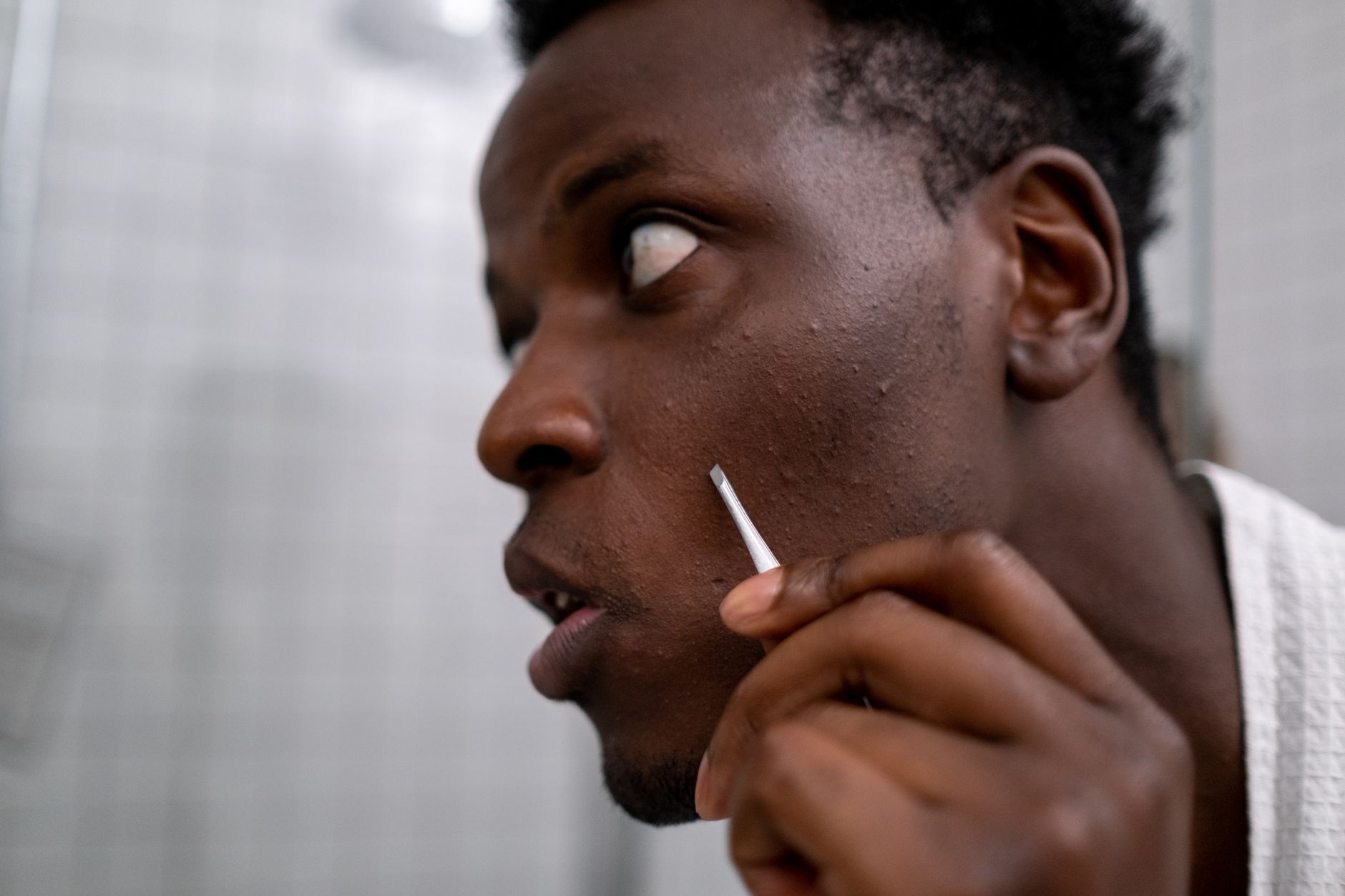
This guide helps you choose acne care while protecting mood and daily life. It maps starting options, isotretinoin trade-offs, support cues, and follow-up actions. Acne vulgaris means ongoing breakouts like pimples, blackheads, and sore lumps. Breakouts that scar, persist, or draw stares can sap confidence, so tracking skin change plus sleep, school, work, and social ease helps guide next steps.
Medical information disclaimer: This article is for general educational purposes only and does not provide medical advice, diagnosis, or treatment. Always consult a physician or other qualified health professional about symptoms, medications, tests, or treatment decisions.
Table of Contents
- How does acne weigh on mood?
- Which treatments come first?
- What are isotretinoin trade-offs?
- When should you get mental-health support?
- What does good follow-up look like?
How does acne weigh on mood?
A 42-study review in the Journal of the American Academy of Dermatology found acne vulgaris linked with depression and anxiety in teens and adults, reported in the 2020 meta-analytic review. Correlations were modest but steady at r=0.22 for depression and r=0.25 for anxiety. That pattern means distress deserves care even when spots look mild to others.
Treatment cohorts tracked by JAMA Dermatology reported better mood, self-esteem, embarrassment, body image, and daily life after acne improved. Mood burden often eases as skin control improves. One teen isotretinoin mood group was small, so a rare mood shift could not be ruled out.
Which treatments come first?
An American Academy of Dermatology update reported by Dermatology Times strongly backs topical benzoyl peroxide, retinoids, and antibiotics, often in fixed-dose mixes, described in the 2024 management update. Oral doxycycline is a common add-on for wider breakouts. These mixes fight clogs, bacteria, and swelling at once.
The same guidance reserves oral isotretinoin for severe, scarring, treatment-resistant, or socially heavy acne. Starting milder keeps side effects and hassle lower for most readers. Stepping up makes sense when scars form, daily life centers on skin, or first lines fail.
What are isotretinoin trade-offs?
The current isotretinoin labeling in DailyMed warns the drug may cause depression, psychosis, suicidal thoughts and attempts, and hostile or violent acts, detailed in the prescribing information. Patients and families should stop the drug and call a clinician at once if signs appear. Fast action matters more than judging the cause alone.
Watch for these warning signs during care: Dispensing rules described in an FDA briefing on iPLEDGE require certified prescribers and pharmacies, negative pregnancy tests before and each month during use, plus two birth-control methods or abstinence before, during, and one month after care, explained in the federal program briefing. The program aims to block fetal exposure. Plan for labs, visits, and strict prevention steps before you agree.
- new low mood, tearfulness, or loss of interest
- strange thoughts, seeing or hearing things that are not there
- talk of suicide, suicide attempts, or self-harm
- new aggression, agitation, or violent behavior
When should you get mental-health support?
National Institute for Health and Care Excellence Guideline NG198 advises clinicians to weigh mental-health referral when acne brings strong distress. Triggers include current or past severe depression or anxiety, body dysmorphic disorder, suicidal thoughts, or self-harm. Drug choice, including isotretinoin, should factor into that referral talk.
Speak up if you skip photos, school, work, or meetups due to skin shame. Note sleep loss, constant mirror checks, or harsh self-talk about looks. Bring one trusted person to the visit if shame makes it hard to describe distress.
What does good follow-up look like?
American Academy of Dermatology guidance favors short systemic antibiotic courses plus ongoing topical care with mixed actions. Maintenance keeps pores clear after pills stop.
Ask how long to use each topical before judging results. Visits should check mood, daily use, and side effects, not just spot counts. Set a written relapse plan with your clinician: Bring your product list and mood notes to each visit so shifts in skin and daily life guide dose choices together.
- which topical to keep and when to restart care
- what change prompts a call or visit
- how to track mood and use between visits