
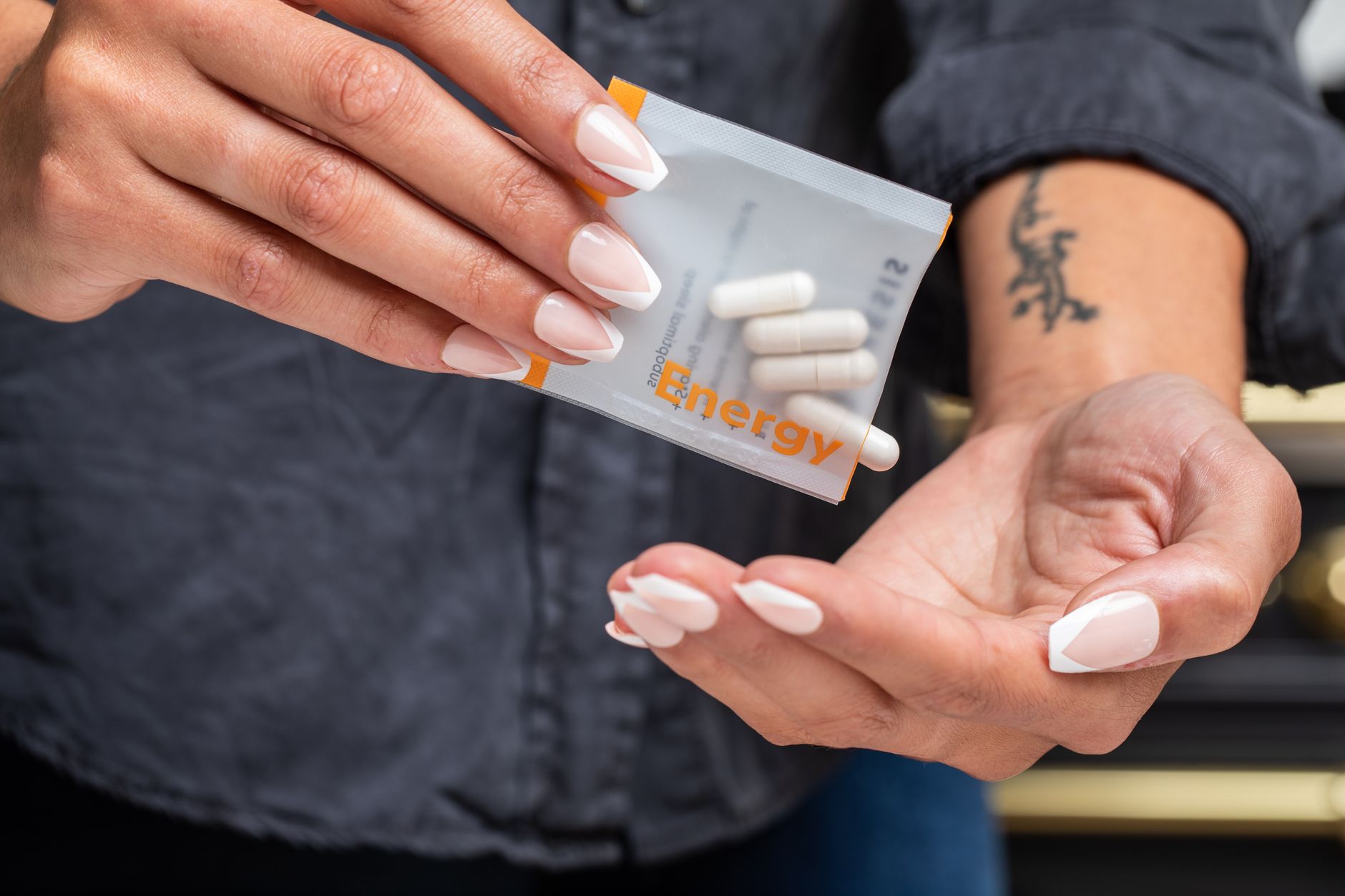
DIM supplements have no proven benefit for acne, so beginners should approach them cautiously. DIM, short for 3,3'-diindolylmethane, is a compound made during digestion of cruciferous vegetables that sellers connect to hormone balance. This overview explains what DIM is, what studies show, and key safety points. It helps you decide whether to skip it or discuss it with a clinician.
Medical information disclaimer: This article is for general educational purposes only and does not provide medical advice, diagnosis, or treatment. Always consult a physician or other qualified health professional about symptoms, medications, tests, or treatment decisions.
Table of Contents
- What Is DIM and Why Is It Sold for Acne?
- Does Research Support DIM for Acne?
- What Side Effects Should Beginners Know?
- How Should You Decide What to Do?
What Is DIM and Why Is It Sold for Acne?
DIM forms from indole-3-carbinol when chewed broccoli, Brussels sprouts, and similar vegetables meet stomach acid. The Linus Pauling Institute describes this food-based origin in its phytochemical review. Supplement makers focus on hormones because small studies show DIM can shift how the body processes estrogen.
That hormone link appeals to people with breakouts around the chin, jaw, or menstrual cycle. Acne has many drivers, including oil, pores, bacteria, and hormones. A hormone-related theory alone does not make a product an acne treatment.
Does Research Support DIM for Acne?
Practical Dermatology, reporting on a 2024 evidence review, states that no known trial tested DIM specifically for acne in its acne-supplement ingredient report. Claims for hormonal acne therefore rest on theory and marketing. The human data involve other conditions and small, short pilots. Dalessandri and colleagues gave 108 mg per day for 30 days to 19 postmenopausal women with early breast cancer history.
Urinary 2-hydroxyestrone rose, meaning more estrogen left the body through that breakdown path. A small phase I thyroid pilot gave 300 mg per day for 14 days. Blood and urine estrogen patterns changed in an antiestrogenic direction. Neither study measured acne, dose for skin, or lasting benefit.
What Side Effects Should Beginners Know?
Most reported problems are gut- and head-related. The Memorial Sloan Kettering Cancer Center lists headache, nausea, vomiting, gas, diarrhea, and dark urine in its DIM monograph. Human trials have mostly lasted days or weeks.
That short follow-up leaves long-term safety unclear, especially for daily use over months. A 2024 acne-supplement review also noted rare reports linked to DIM use. They included severe drug rash, ischemic stroke, blood clots in the legs and lungs, and visual disorder. These reports did not prove DIM caused the events.
How Should You Decide What to Do?
The FDA does not approve supplements for safety or effect before sale. The agency explains this postmarket system in its FDA Q&A on Dietary Supplements.
Use that context before you buy: Bring the exact DIM label to your visit, including dose and other ingredients. Ask which proven acne options fit your skin type and health history.
- Pause products that promise hormone balance for acne without acne data.
- Check all medicines and supplements with a clinician or pharmacist for interactions.
- Seek prompt care for rash with fever, leg swelling, chest pain, vision change, or severe headache.
- Ask about acne care with stronger proof, such as retinoids, benzoyl peroxide, or prescribed hormonal care when appropriate.