
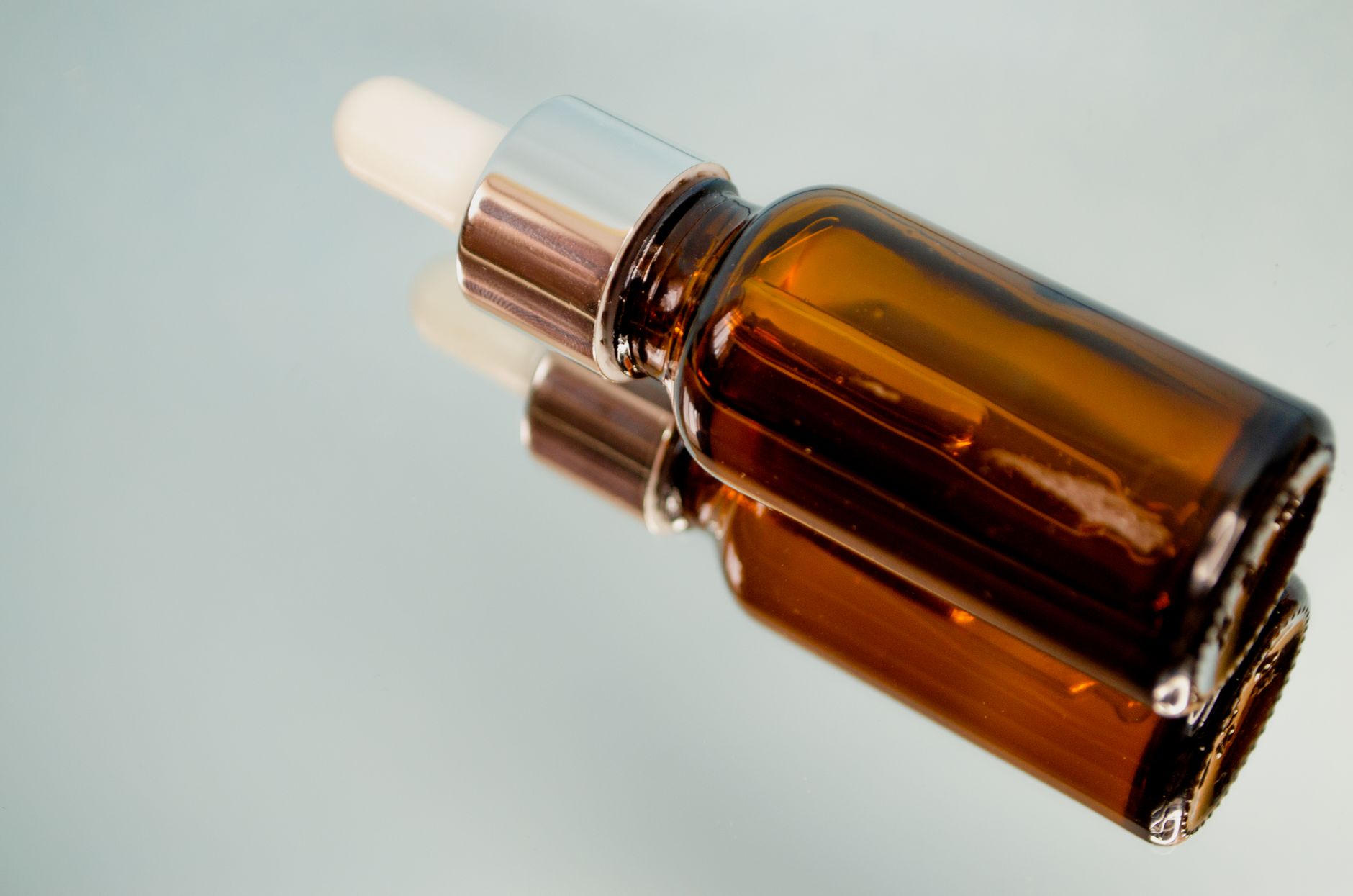
Antioxidant serum with vitamins C and E plus ferulic acid after fractional CO2 helped atrophic acne scars heal faster with less redness and pigment in a 2026 trial. People with skin of color can compare acne-scar procedures by healing speed, dark-spot risk, and measured scar improvement. Fractional CO2 is an ablative laser that removes tiny columns of skin to trigger collagen remodeling for pitted scars.
Atrophic scars are depressed scars left after acne. Antioxidant serum here means a topical mix of vitamins C and E plus ferulic acid applied after laser. For darker skin, the choice often turns on pigment risk as much as scar smoothing.
Medical information disclaimer: This article is for general educational purposes only and does not provide medical advice, diagnosis, or treatment. Always consult a physician or other qualified health professional about symptoms, medications, tests, or treatment decisions.
Table of Contents
- What did the 2026 serum trial show?
- How high is dark-spot risk after fractional CO2?
- How do microneedling and peels compare?
- What should you check before choosing?
What did the 2026 serum trial show?
In 64 Chinese adults with moderate-to-severe atrophic acne scars, one side of the face received the antioxidant serum and the other received saline after ablative fractional CO2. According to HCPLive, the serum side lost scabs sooner and showed lower redness and melanin readings, as described in the HCPLive report on the trial.
The design was split-face and randomized, so each person served as their own comparison. That structure makes short-term healing differences easier to trust. It does not prove long-term scar removal or safety for every formula.
How high is dark-spot risk after fractional CO2?
A tertiary-hospital retrospective study found fractional CO2 reduced acne-scar severity but left hyperpigmentation in 59.5%, crusts in 26.2%, and redness beyond four days in 19%, with higher rates in darker skin, according to Berkala Ilmu Kesehatan Kulit dan Kelamin in the Universitas Airlangga hospital study. Laser experts advise against treating tanned skin or skin facing imminent sun exposure.
Dermatology reporting on AAD 2018 expert Tina Alster also stresses conservative settings and strict photoprotection for skin of color. Timing treatment away from strong sun and vacations can lower avoidable pigment triggers.
How do microneedling and peels compare?
In a Rutgers trial of 60 dark-skinned patients rated Fitzpatrick IV-VI, microneedling every two weeks for 12 weeks produced two-point Goodman-Baron improvement in 73% versus 33% for 35% glycolic peels, according to Rutgers via ScienceDaily in the ScienceDaily summary of the trial. Dermatology reviews describe microneedling as a low-cost first choice across all phototypes because it builds collagen with short recovery and lower pigment risk than lasers or peels.
A small 2025 split-face study in Fitzpatrick types III-V found a home-based pre- and post-treatment peel cut post-inflammatory dark spots after fractional CO2, according to the Journal of Cosmetic Dermatology via Wiley. Peel strength, timing, and home care matter more than the peel label alone.
What should you check before choosing?
Immediate post-laser delivery of the same vitamin C and E plus ferulic acid mix caused no reported complications in a retrospective chart review. The University of Minnesota Experts summary warns those results do not extend to longer courses or other formulas, as noted in the safety review of laser-assisted vitamin delivery. Use the visit to pin down fit, aftercare, and alternatives:.
- Share Fitzpatrick type, melasma history, tanning, and sun plans for the next four weeks.
- Ask which device, energy, density, and spot-test approach will be used for darker skin.
- Ask whether the clinic uses a single immediate serum application, added days of use, or a pre- and post-treatment peel protocol.
- Ask about microneedling sessions, expected Goodman-Baron change, and pigment safeguards versus laser.
- Confirm daily sun protection, scab care, retinoid pauses, and warning signs for infection or worsening pigment.
You Might Also Like
- Antioxidant Serum After Fractional CO2 Acne Scar Treatment in 2026: Questions People With Skin of Color Can Ask Before a Procedure
- Antioxidant Serum After Fractional CO2 Acne Scar Treatment in 2026: Pigment, Pain, and Recovery Questions for People With Skin of Color
- Vitamin C, Vitamin E, and Ferulic Acid After Acne Scar Laser in 2026: How People With Skin of Color Can Compare Acne Scar Procedures