
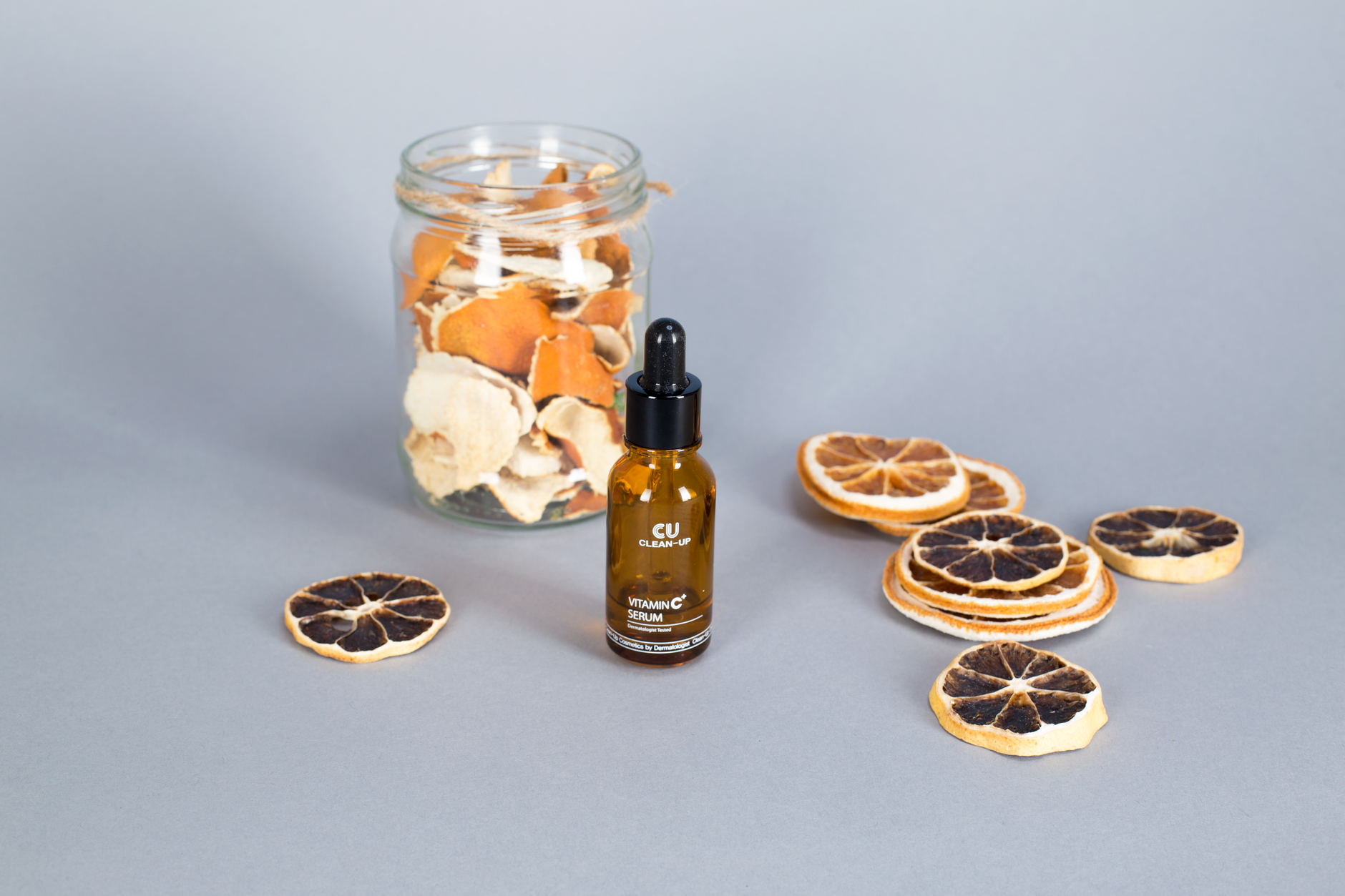
For atrophic scars, pitted scars from collagen loss, vitamin C plus E plus ferulic improved healing after fractional CO2 laser in 2026 testing. For skin of color, the choice centers on scar texture gain versus dark-mark risk.
The evidence comes from a randomized investigator-blinded split-face trial in 64 Chinese adults with moderate-to-severe scars, reported by the Journal of Cosmetic Dermatology in the split-face trial report. Serum went on one cheek and saline on the other for 14 days after laser. That design isolates aftercare effects during early recovery.
Medical information disclaimer: This article is for general educational purposes only and does not provide medical advice, diagnosis, or treatment. Always consult a physician or other qualified health professional about symptoms, medications, tests, or treatment decisions.
Table of Contents
- What did the 2026 aftercare trial show?
- Why does skin tone change the laser tradeoff?
- How does microneedling compare for darker skin?
- What should you ask before booking?
What did the 2026 aftercare trial show?
The serum side showed faster scab shedding by Day 7. Redness and melanin measures were lower, and barrier function held better through the two weeks. These are early healing signals, not proof of flatter scars. The formula paired 15% L-ascorbic acid with 1% alpha-tocopherol and 0.5% ferulic acid.
Vitamin C scavenges reactive oxygen species, inhibits tyrosinase activity, and supports collagen synthesis. That action supports dermal remodeling and lower melanin formation after laser. A related clinical publication reported less erythema on days 3 and 5 and higher basic fibroblast growth factor on day 5 with immediate use after fractional ablative laser. Growth-factor support matters because scar remodeling depends on controlled repair. Ferulic acid also helps keep the C and E mixture stable.
Why does skin tone change the laser tradeoff?
Ablative resurfacing lasers can improve acne scars but carry higher complication risk. Fractional lasers tend to cause less severe side effects with more moderate efficacy. That tradeoff matters more when pigment risk is higher.
For Fitzpatrick types III to VI, the Biomimetics scar-laser review prefers fractional picosecond 1064-nm and 1550-nm erbium nonablative lasers for texture, described in the Biomimetics scar-laser review. Ablative CO2 and Er:YAG carry higher risk of post-inflammatory hyperpigmentation. A milder device with steadier healing may beat a stronger device with longer pigment trouble.
How does microneedling compare for darker skin?
Microneedling punctures skin with fine needles to trigger collagen repair without heat. For dark skin with acne scars and linked pigmentation, it improved scars and pigmentation without worsening pigment in a Journal of Drugs in Dermatology study summarized in the dermatology treatment abstract. Effects included only transient redness, dryness, or small hematomas.
Sessions take less downtime than ablative laser for many patients. Some patients needed extra sessions for a satisfactory result. That makes microneedling a practical comparator when pigment safety, cost per visit, or recovery time rule out ablative treatment.
What should you ask before booking?
Use the visit to compare texture benefit, pigment risk, sessions, downtime, and aftercare. The 2026 serum trial followed patients for 14 days, did not measure final scar appearance, enrolled only Chinese patients, and used industry-supplied serum.
Longer diverse studies plus sun protection are needed before calling this lasting scar repair. Bring a two-week sun-protection plan to the visit and ask how healing will be checked.
- Ask which device fits your Fitzpatrick type and scar type: rolling, boxcar, or icepick
- Ask expected sessions, healing days, pigment risk, and recurrence plan
- Ask what goes on skin right after treatment, for how many days, and what sun protection is required
- Ask what change counts as success at 3 to 6 months, with photos under the same light
You Might Also Like
- Vitamin C, Vitamin E, and Ferulic Acid After Acne Scar Laser in 2026: Questions People With Skin of Color Can Ask Before a Procedure
- Vitamin C, Vitamin E, and Ferulic Acid After Acne Scar Laser in 2026: Pigment, Pain, and Recovery Questions for People With Skin of Color
- Antioxidant Serum After Fractional CO2 Acne Scar Treatment in 2026: Questions People With Skin of Color Can Ask Before a Procedure