
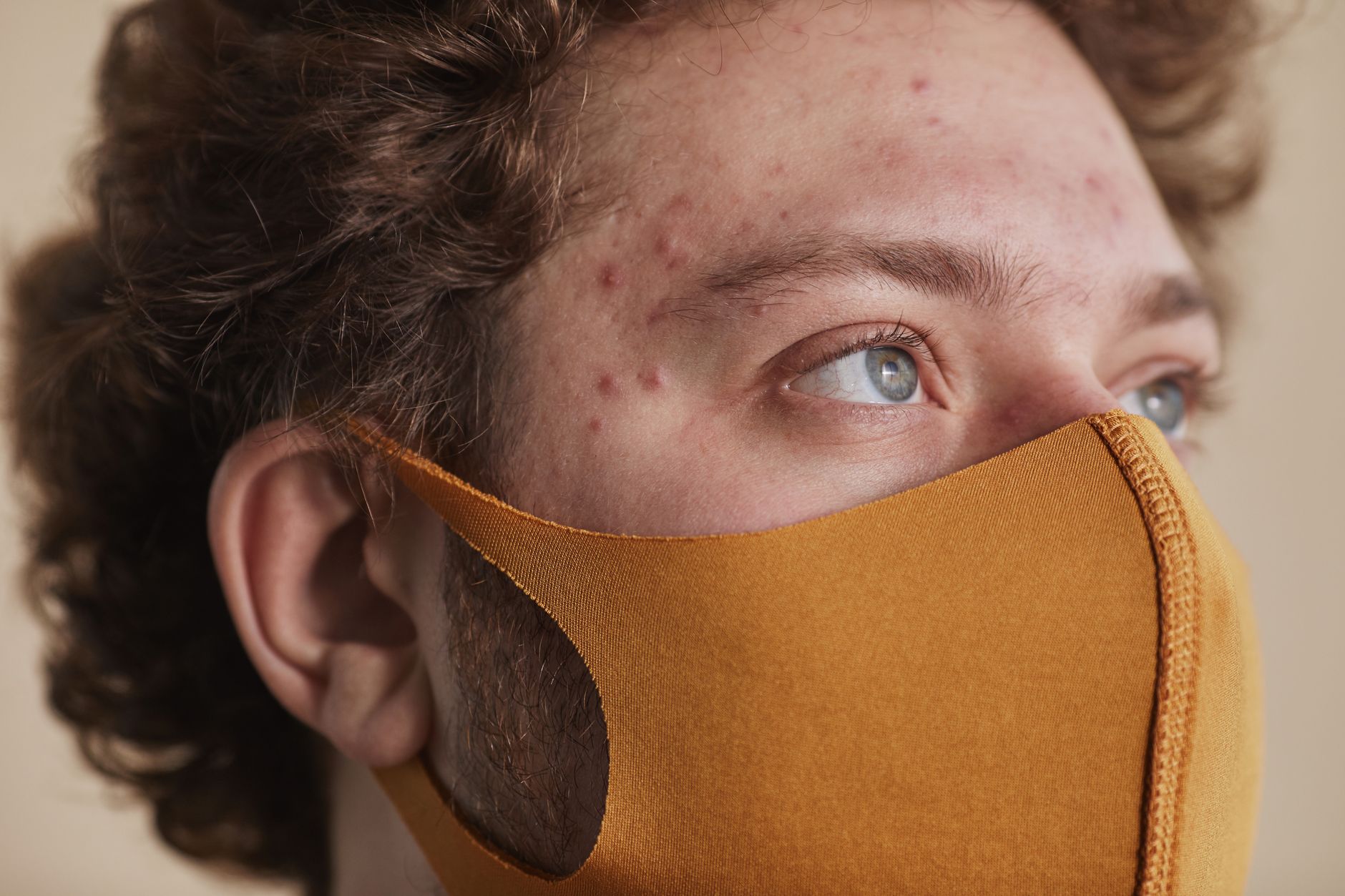
Protective skin strains support barrier balance, while phylotypes IA1 and IA2 of Cutibacterium acnes, a common skin bacterium, link most closely to acne. Adults with persistent acne can compare probiotic claims by checking exact strain, dose, duration, comparator, and lesion change. Acne affects 85% of adolescents and often persists in adulthood, especially in women, with about 50 million Americans affected yearly. The American Academy of Dermatology issued updated management guidelines for ages 9-plus, reported via Newswise in January 2024, so added products deserve careful comparison.
Medical information disclaimer: This article is for general educational purposes only and does not provide medical advice, diagnosis, or treatment. Always consult a physician or other qualified health professional about symptoms, medications, tests, or treatment decisions.
Table of Contents
- What does balanced skin look like?
- Which strains protect and which link to acne?
- What have probiotic trials shown?
- How to compare a probiotic claim?
What does balanced skin look like?
In eubiosis, Staphylococcus epidermidis and Cutibacterium acnes strains support immune synergy, pH balance, balanced sebum activity, and barrier integrity. The MDPI Pharmaceuticals consensus describes eubiosis as balance and dysbiosis as the shift toward acne.
The 2026 Global Delphi Consensus integrates international expertise on prevention and treatment strategies for acne. It maps progression from eubiosis to dysbiosis in acne development, according to MDPI Pharmaceuticals the consensus report.
Which strains protect and which link to acne?
Type I C. acnes strains, especially phylotypes IA1 and IA2, are most often associated with acne vulgaris. Type II strains occur more often on healthy skin or deep-tissue sites, according to University of Molise the Cutibacterium acnes project page.
Staphylococcus epidermidis can protect by fermenting glycerol to inhibit C. acnes proliferation. Lactobacillus plantarum may support barrier function by altering skin microbiota diversity and metabolism, according to a Dove Medical Press CCID review.
What have probiotic trials shown?
In 20 adults, 12 weeks of oral Lactobacillus rhamnosus SP1 lowered lesional IGF-1 gene expression by 32% and raised FoxO1 by 65%. That signaling change is linked to improved acne, according to a Microorganisms review of Fabbrocini and colleagues.
Evidence remains mixed across Lactobacillus trials. A meta-analysis of 5 randomized trials with 332 patients found no significant lesion reduction versus placebo or benzoyl peroxide. Three double-masked trials with 231 patients reported benefit with moderate heterogeneity, according to the MDPI Cosmetics biotics scoping review the biotics scoping review.
How to compare a probiotic claim?
Practical comparison requires strain-level names, dose, duration, comparator, and lesion outcomes. FDA treats disease-treatment claims as drug claims needing premarket approval, according to the FDA supplement Q&A. The Federal Trade Commission requires competent and reliable scientific evidence for health claims.
Use this quick check on any product page or ad. If details are missing, treat the claim as marketing, not proof. Save the label, compare it to guideline-based care with a dermatologist, and track lesions for 12 weeks. Bring strain name, dose, and comparator to the visit to speed decisions.
- exact strain with letters and numbers, such as Lactobacillus rhamnosus SP1
- daily dose and weeks tested, such as 12 weeks in the adult trial
- control used, such as placebo or benzoyl peroxide
- change in lesions, not only smoother feel
You Might Also Like
- The 2026 Global Delphi Consensus on Acne and the Microbiome: How Adults With Persistent Acne Can Compare Probiotic Claims
- Why the 2026 Probiotic and Secretome Paper Reports No Trial Results Yet: How Adults With Persistent Acne Can Compare Probiotic Claims
- The 2026 Oral Probiotic and Topical Secretome Acne Trial Protocol: How Adults With Persistent Acne Can Compare Probiotic Claims