
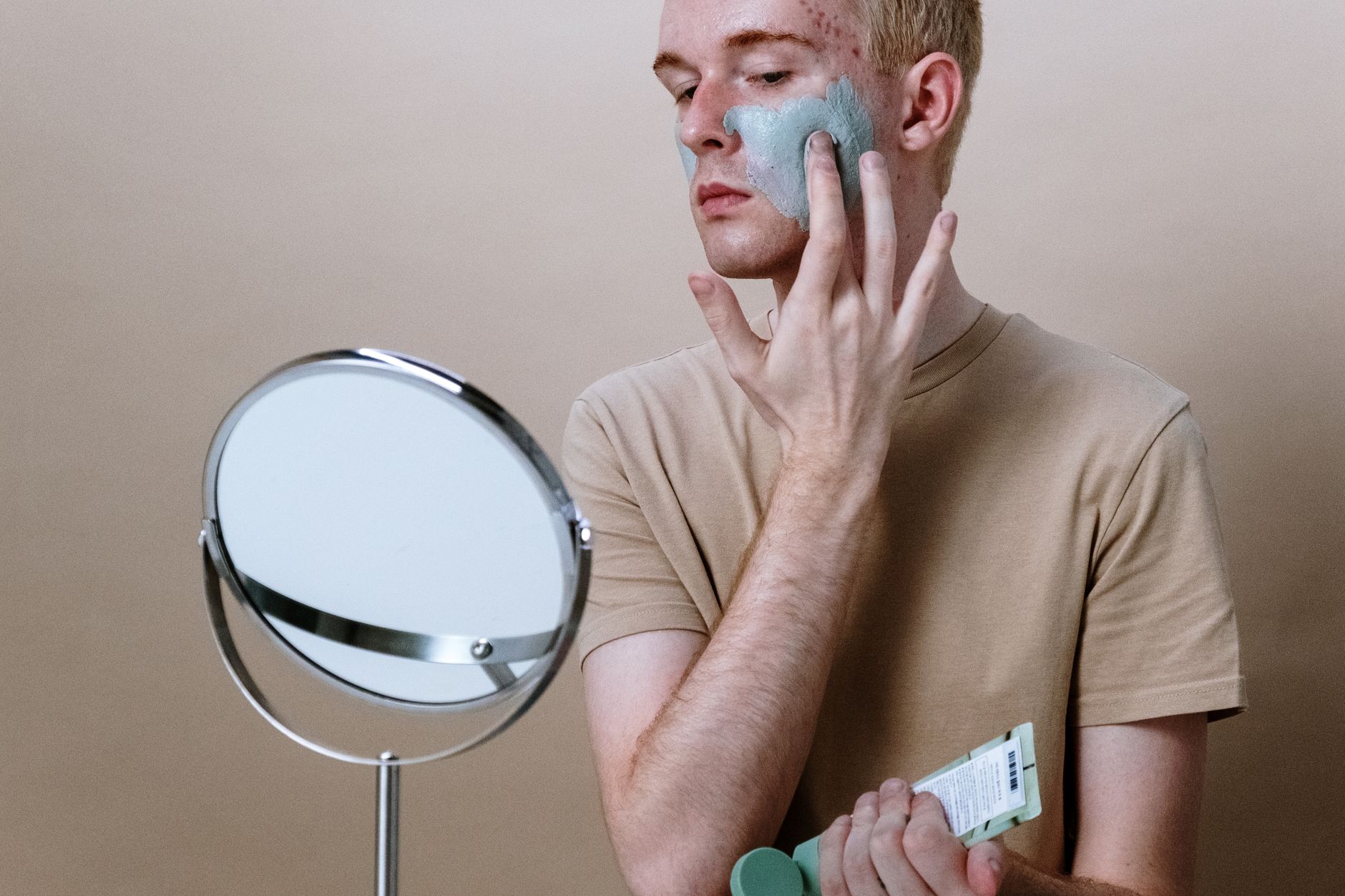
Persistent acne means breakouts that continue past age 25. The June 2026 meta-analysis found oral azithromycin and doxycycline similar for moderate-to-severe acne, leaving topical resistance and adult maintenance as the remaining research gap.
Topical antibiotics are gels or lotions applied to skin to curb acne bacteria. Resistance means those bacteria survive despite treatment. Adult patterns make that problem urgent for long-term care.
Medical information disclaimer: This article is for general educational purposes only and does not provide medical advice, diagnosis, or treatment. Always consult a physician or other qualified health professional about symptoms, medications, tests, or treatment decisions.
Table of Contents
- What the 2026 analysis compared
- Why topical resistance matters now
- How combinations reduce resistance risk
- What adult maintenance studies should test
What the 2026 analysis compared
Dermatology Times summarized pooled efficacy results from 23 comparative studies with 2,769 patients. Oral azithromycin pulse therapy had broadly similar overall effectiveness to daily doxycycline for moderate-to-severe acne.
Dermatology Times also reported subset gains for azithromycin: Global Acne Grading System scores improved by 1.81 points across 406 patients, with 7.56 more non-inflammatory lesions cleared than with doxycycline. Inflammatory-lesion reductions were similar. Gastrointestinal, photosensitivity, and skin events were less frequent with azithromycin.
Why topical resistance matters now
BMC Dermatology reported Jordan isolate findings from 100 Cutibacterium acnes samples: 73% were erythromycin-resistant and 59% were clindamycin-resistant, with substantial multidrug resistance. Those drugs overlap with topical options still used for acne.
Dermatology Times noted macrolide-resistance concerns call for stewardship. The report reserves azithromycin for tetracycline intolerance or contraindication. It favors pairing antibiotics with benzoyl peroxide or retinoids rather than antibiotic monotherapy.
How combinations reduce resistance risk
American Academy of Dermatology guidance supports updated acne management guidance built around benzoyl peroxide, topical retinoids, topical antibiotics, and fixed-dose combinations. It bars topical-antibiotic monotherapy. It directs combining topical and oral antibiotics with benzoyl peroxide to limit resistance.
For daily care, that approach means: AJMC reporting on AAD guidance states topical retinoids fit every acne-severity stage for patients age 9 and older, including adults. Fixed-dose combinations with benzoyl peroxide or antibiotics can strengthen effect. Adults with persistent breakouts can review combination options rather than repeat single-agent courses.
- pair any topical antibiotic with benzoyl peroxide
- avoid antibiotic-only gels or creams
- add a topical retinoid for maintenance when tolerated
What adult maintenance studies should test
An International Journal of Women's Health review detailed adult female acne data from a Lagos clinic: adult female acne affected 19.3% of female patients, with 55.4% persistent and frequent scarring. Persistent disease needs longer follow-up than teen trials provide.
Useful next studies would track resistance by prior topical exposure in adults over 25. They would test fixed-dose maintenance schedules, relapse rates after antibiotics stop, and scar outcomes. Bring a list of past topical antibiotics, benzoyl peroxide use, and retinoid tolerance to your next visit.
You Might Also Like
- Topical Acne Antibiotics and Resistance After the 2026 Meta-Analysis: Why the Findings May Not Change Acne Care Yet for Adults With Persistent Acne
- The 2026 Oral Probiotic and Topical Secretome Acne Trial Protocol: How Adults With Persistent Acne Can Compare Probiotic Claims
- Probiotics for Acne in a 2026 Systematic Review and Meta-Analysis: How Adults With Persistent Acne Can Compare Probiotic Claims