
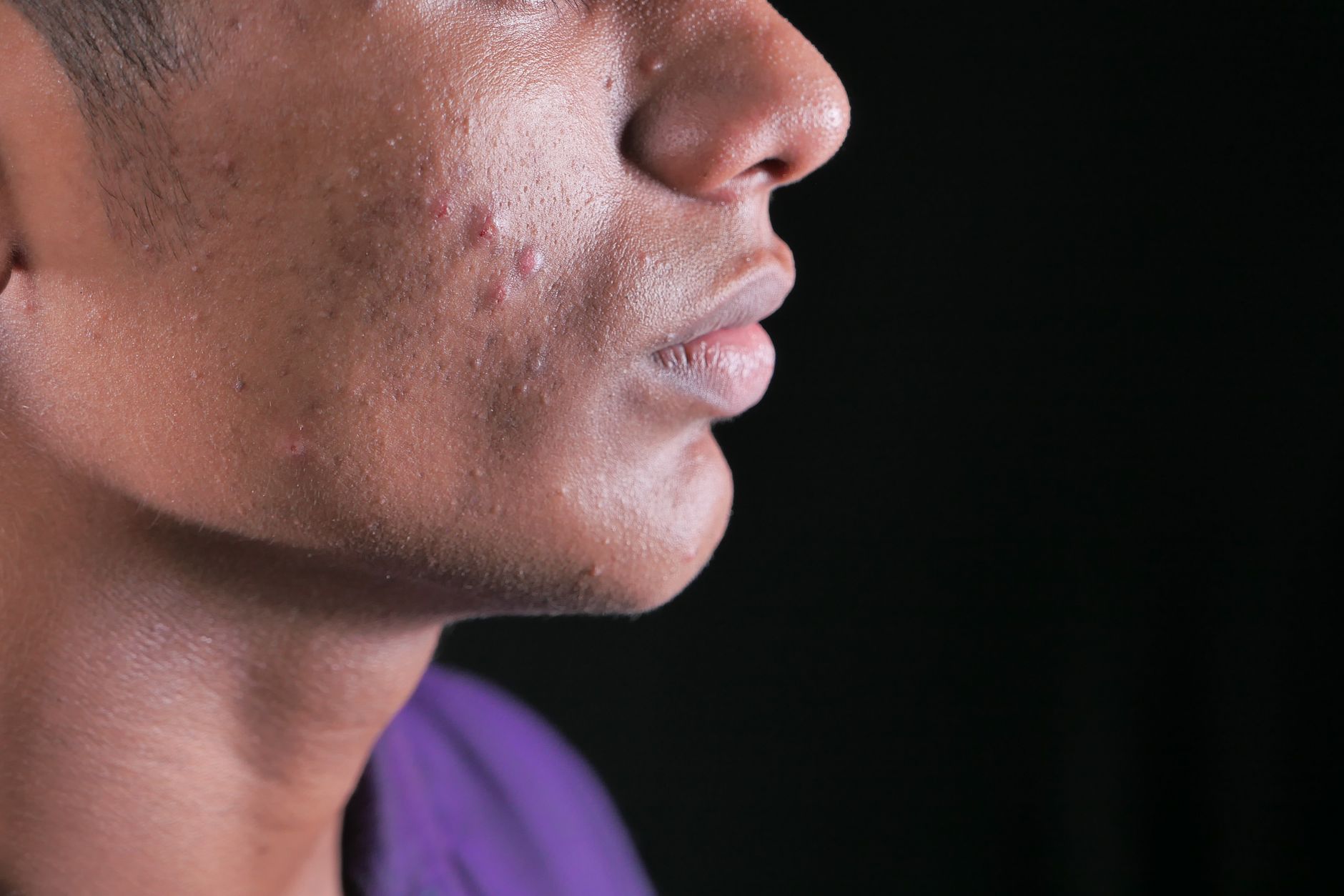
Acne AI tools can score acne accurately in controlled tests but lack real-world clinical validation, so clinician review still protects teledermatology patients. Teledermatology means skin care delivered through photos and online visits instead of an in-person exam, which makes image quality and follow-up critical. That gap matters for acne because grading guides treatment strength, scarring risk, and prescription choices. A wrong grade or missed detail can delay effective care.
Medical information disclaimer: This article is for general educational purposes only and does not provide medical advice, diagnosis, or treatment. Always consult a physician or other qualified health professional about symptoms, medications, tests, or treatment decisions.
Table of Contents
- What has acne AI actually proven?
- Why do results vary by patient?
- Does AI help or harm darker skin in remote care?
- What does clearance and follow-up mean for you?
- How can you use acne AI more safely?
What has acne AI actually proven?
A systematic review in the Journal of Personalized Medicine found high accuracy in controlled settings but concluded no acne-grading algorithm had received clinical validation. The same review found no published real-life-setting study, according to the systematic review in the Journal of Personalized Medicine.
Controlled means fixed lighting, clear photos, and narrow test sets. Home photos add blur, shadows, makeup, and varied phones. Those differences can change a grade.
Why do results vary by patient?
A Japanese facial-image model reported 90.0% overall accuracy and 1.000 recall for severe IGA-3 and IGA-4 acne. Its authors noted most earlier models were trained on Caucasian datasets, limiting use for Japanese and other underrepresented patients.
Chatbot advice shows a similar limit. Reviewers rated ChatGPT guidance less accurate and comprehensive for acne vulgaris than for atopic dermatitis, sometimes omitting treatment effectiveness, expectations, and age-specific advice. General answers may miss teen versus adult acne, pregnancy limits, retinoid purging, and scarring risk.
Does AI help or harm darker skin in remote care?
In a store-and-forward simulation with 848 physicians, board-certified dermatologists reached 38% top-3 accuracy and primary-care physicians reached 19%. Deep-learning support raised accuracy by 33% and 69%, respectively, according to reporting on the Nature Medicine teledermatology study.
The same study found accuracy about 4 percentage points lower on dark versus light skin. AI support widened that skin-tone gap for general physicians, creating added safety risk for patients with darker skin. Patients with brown or Black skin should ask who reviews the images and how inflammation and post-inflammatory marks are assessed.
What does clearance and follow-up mean for you?
FDA granted De Novo clearance DEN230008 on Jan. 12, 2024 for DermaSensor as a Class II software-aided adjunctive device for physicians evaluating lesions suspicious for skin cancer. It is not autonomous screening and requires clinician judgment and referral decisions, according to the FDA De Novo database entry.
A 2026 cross-regional review found many U.S. direct-to-consumer skin platforms operate without FDA clearance using company-reported metrics and leave follow-up to patients. European CE-marked platforms more often provide structured follow-up and reimbursement. For acne, ask whether a clinician adjusts treatment, orders follow-up photos, and manages side effects.
How can you use acne AI more safely?
Treat AI as a starting note, not a diagnosis. AI-generated education images are a weak guide because only 15% of 4,000 tested images were rated diagnostically accurate and 89.8% showed light skin. Use this check before acting on an AI result:.
- Send fresh photos in daylight, front and side views, without filter or makeup.
- List current products, prescriptions, duration, menstrual changes, and picking or scarring.
- Ask for acne type, severity, treatment goal, expected timeline, and warning signs.
- Confirm follow-up timing and how to report burning, swelling, allergy, or mood changes.
You Might Also Like
- Acne AI Validation and Clinical Safety Questions in 2026: Privacy and Photo-Data Questions for Teledermatology Patients
- Artificial Intelligence for Acne Diagnosis in a 2026 Scoping Review: Why Clinician Review Still Matters for Teledermatology Patients
- What 105 Studies Reveal About Acne AI in the 2026 Review: Privacy and Photo-Data Questions for Teledermatology Patients