
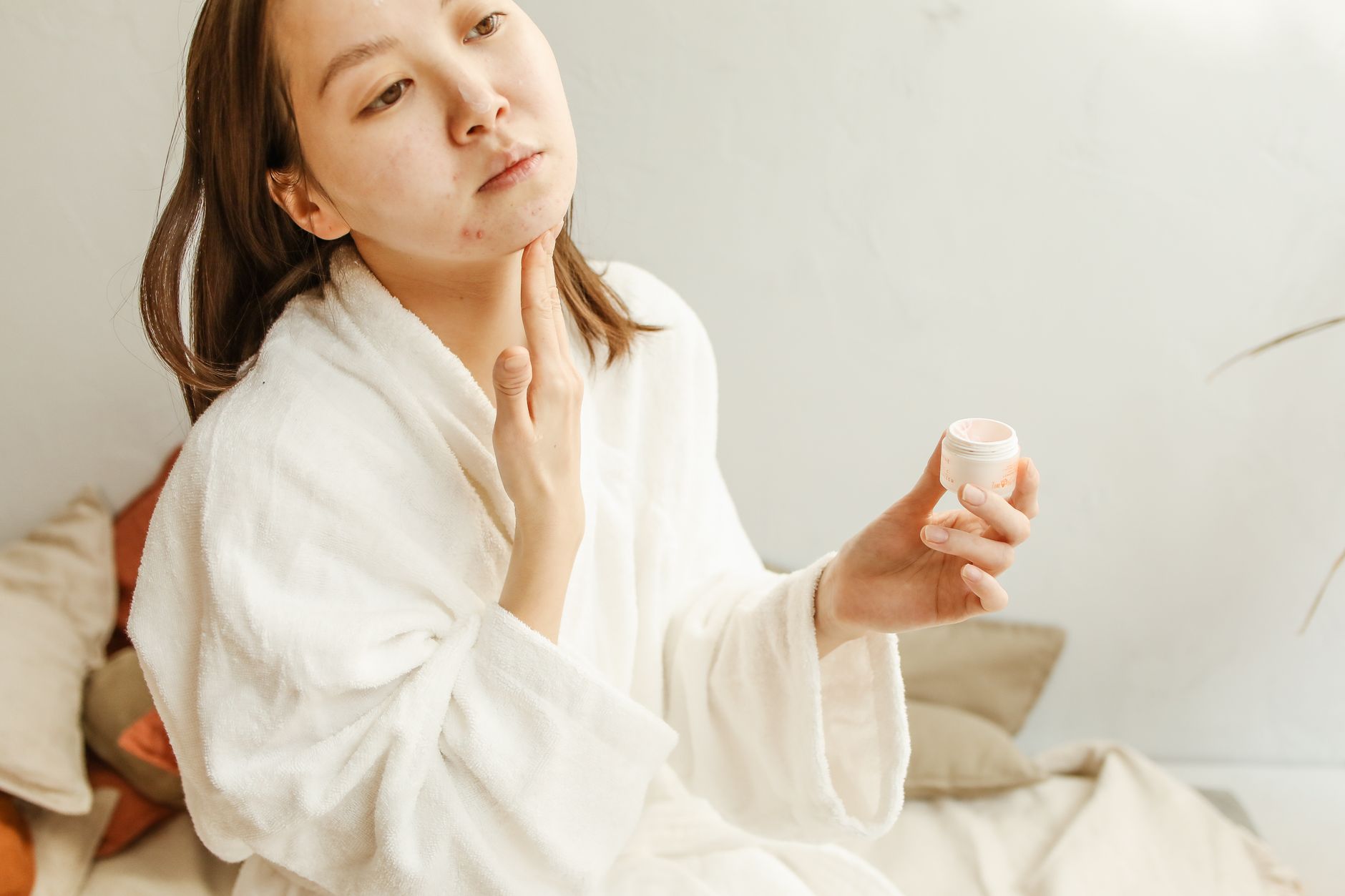
In 2026, acne AI still lacks strong clinical validation, and acne photos sent for teledermatology remain sensitive health data. Teledermatology means skin care delivered online, often from photos and questionnaires rather than an in-person exam. Patients face two separate risks: an app may misjudge severity and treatment needs, and photos may be stored, reused, or shared beyond the visit. A few direct questions about testing and photo handling can lower both risks.
Medical information disclaimer: This article is for general educational purposes only and does not provide medical advice, diagnosis, or treatment. Always consult a physician or other qualified health professional about symptoms, medications, tests, or treatment decisions.
Table of Contents
- How well tested are acne apps?
- Why does diagnosis not equal treatment guidance?
- Why are acne face photos health data?
- What should you ask before you upload?
How well tested are acne apps?
A 2024 JAMA Dermatology review of 41 consumer AI skin apps found uneven results and no FDA approval. AJMC reporting from March 17, 2024 described critical efficacy and safety gaps. The authors warned poor validation and misleading claims may harm patients.
A 2026 European Academy of Dermatology and Venereology review of 420 dermatology apps found similar gaps. Dermatology Times reporting on Aug. 26, 2026 found only 2% reported CE marking, with 10% indicating GDPR compliance and 20% having any PubMed mention. Few apps had randomized trials or post-deployment checks.
Why does diagnosis not equal treatment guidance?
Research tools can label acne correctly yet still grade it poorly. An npj Digital Medicine editorial from Feb. 10, 2024 reported about 94% accuracy for acne diagnosis, but only 67-86% for severity grading.
That gap matters because treatment depends on severity, not just presence. Trial success also sets a higher bar than a routine visit. The Journal of Drugs in Dermatology explained in 2021 that FDA-aligned success needs both lesion-count improvement and Investigator Global Assessment success. That means clear or almost-clear skin with at least a two-grade improvement, a result most routine visits do not reach.
Why are acne face photos health data?
Full-face photos are not ordinary selfies in medical privacy law. HHS HIPAA de-identification guidance states full-face photographs and comparable images are identifiers that must be removed. An identifiable acne face photo therefore remains protected health information.
On July 29, 2026, the FTC with Utah and California sued telehealth provider Hims and Hers over alleged health-data sharing. FTC case records describe claims of sensitive condition data reaching ad platforms despite privacy promises, plus deceptive billing. Legal analysis published by Mondaq in 2026 warns many consumer telehealth and tracking flows fall outside HIPAA. That leaves FTC deception and state consumer-protection law as the main remedy.
What should you ask before you upload?
Ask where the photo lives and who can reuse it. Dermatology Times reporting on EADV AI recommendations from Aug.
26, 2026 lists the same checks for teledermatology patients. Use these questions in the portal message or intake form: Do not upload if the answers are vague or missing. Save the retention and deletion instructions with your visit receipt.
- Do my acne photos stay in HIPAA-compliant storage?
- Are they reused for research or model training?
- How long are they kept, and how can I request deletion?
- Was accuracy tested across skin tones and phones?
You Might Also Like
- Acne AI Validation and Clinical Safety Questions in 2026: What the Review Means for Teledermatology Patients
- Artificial Intelligence for Acne Diagnosis in a 2026 Scoping Review: Privacy and Photo-Data Questions for Teledermatology Patients
- Skin-Tone Equity Gaps in 2026 Acne AI Research: Privacy and Photo-Data Questions for Parents Using Acne Apps for Teens