
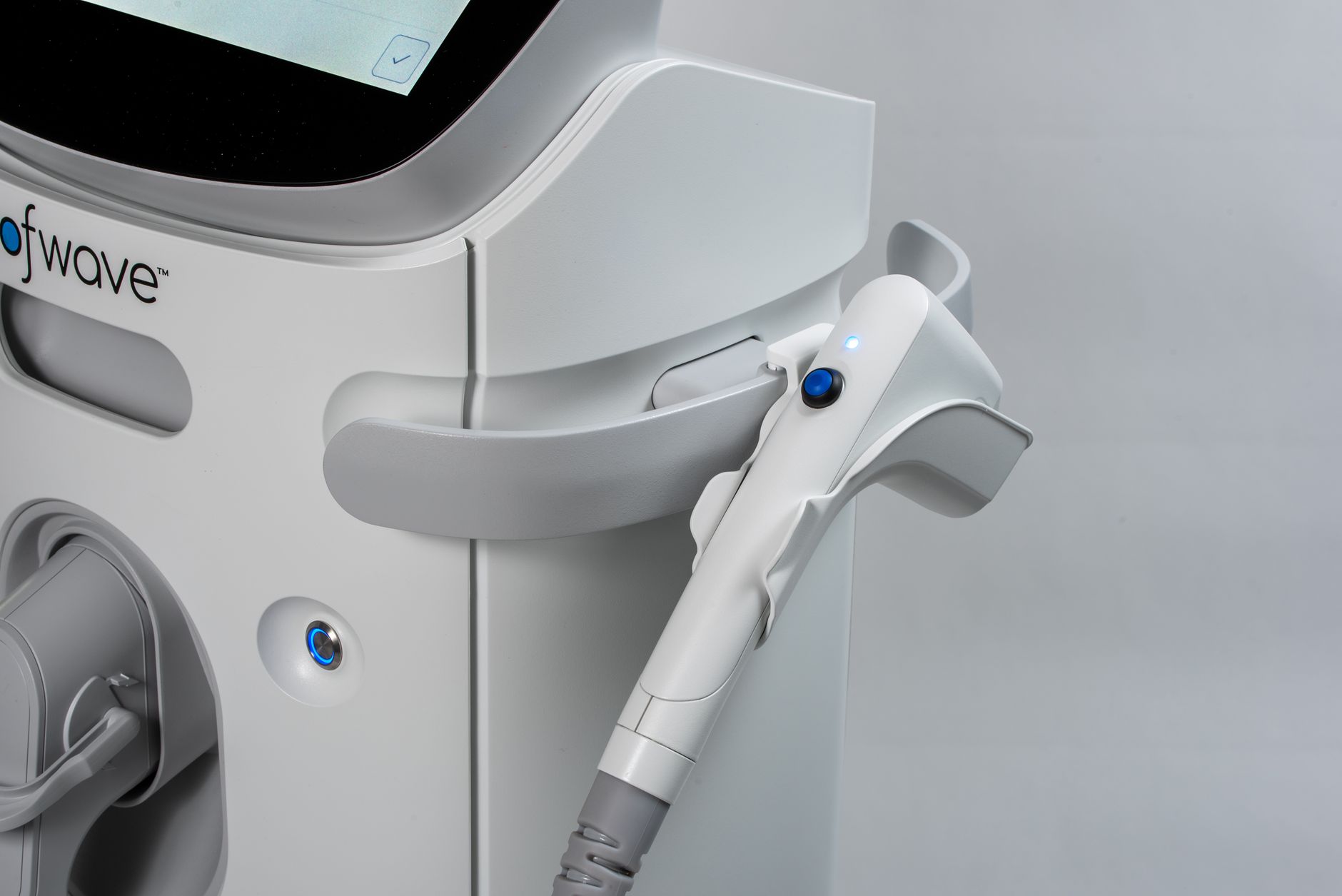
A 2026 split-face trial found a 589/1319-nm dual-wavelength laser improved acne erythema, lingering redness in and around breakouts, faster than soothing aloe vera gel and lowered acne severity. The findings will not change routine care yet for adults with persistent acne, ongoing breakouts beyond the teen years, because the study was small, short, and did not compare the laser with standard acne drugs. Persistent acne remains common in adulthood. MDedge Dermatology, summarizing an American Acne and Rosacea Society review, reports acne prevalence of 50.9% in women ages 20-29, 35.2% in the 30s and 26.3% in the 40s, with about 80% of adult female acne classed as persistent rather than late-onset.
Medical information disclaimer: This article is for general educational purposes only and does not provide medical advice, diagnosis, or treatment. Always consult a physician or other qualified health professional about symptoms, medications, tests, or treatment decisions.
Table of Contents
- What did the new laser trial test?
- How do the two wavelengths work?
- Why do guidelines still favor standard acne care?
- What should adults with lasting redness do now?
What did the new laser trial test?
Researchers treated one side of the face with the solid-state dual-wavelength laser and the other side with topical soothing aloe vera gel. The Journal of Cosmetic Dermatology reported earlier redness improvement plus reduced severity grade on laser-treated sides, with redness improvement linked to severity reduction and higher patient satisfaction through four weeks after the final session, in the split-face trial report. Treatment was generally low-pain, with mean pain rated 1.52 out of 10.
Most side effects were brief mild redness and warmth, with no serious adverse events reported in the trial. Two of 29 patients, 6.9%, developed extensive inflammatory papules and pustules on both sides of the face at week 14. That breakout pattern signals that redness can improve while acne itself remains active.
How do the two wavelengths work?
The 589-nm wavelength targets tiny surface blood vessels that make inflamed or healing spots look red. Less excess vessel visibility means less persistent pink or red tone. The 1319-nm wavelength is absorbed by water in skin and heats sebaceous glands and the deeper skin layer.
Archives of Dermatological Research explains that this heating can reduce sebum and inflammation and support collagen remodeling. Together, the design pairs surface redness treatment with deeper oil-gland and supportive-tissue effects. The trial result fits that design, since redness scores and acne severity moved in the same direction.
Why do guidelines still favor standard acne care?
The American Academy of Dermatology found evidence insufficient to recommend laser and light-based devices for routine acne care. Dermatology Times, reporting the AAD guidelines published in JAAD, notes continued strong recommendations for benzoyl peroxide, retinoids, antibiotics including doxycycline, and isotretinoin for severe, scarring or treatment-resistant acne, in the updated acne guideline summary. Scale and comparator explain the caution.
The Journal of Cosmetic Dermatology trial involved about 29 patients with short follow-up and compared laser with soothing gel, not with benzoyl peroxide, retinoid, antibiotic or isotretinoin regimens. That design can show an adjunctive benefit for redness without proving replacement of proven treatment. Adults with persistent acne should therefore view the dual-wavelength result as possible added help for redness, not as proof that lasers control acne alone.
What should adults with lasting redness do now?
Keep proven topical or prescribed systemic care as the base unless a dermatologist advises a change. Bring the redness question separately to the visit, with photos showing flare, healing and bare-skin weeks.
Acne lasers are often paid out-of-pocket rather than covered by insurance. Medscape, reporting dermatologist Jeffrey Dover on acne lasers including 1726-nm devices, describes out-of-pocket payment and lack of insurance coverage as factors slowing dermatology adoption, in the laser-treatment Q&A. Ask for the written cost and follow-up plan before booking laser care for persistent acne.
- Continue benzoyl peroxide, retinoid, antibiotic or other prescribed acne treatment as directed
- Ask whether redness comes from active inflammation, healing marks, scars or another cause
- Ask whether an added laser has evidence for that specific redness type
- Ask about sessions, upkeep, risks, acne-flare plan and total out-of-pocket cost
- Seek prompt care for spreading pain, crusting, fever, scarring acne or acne that resists treatment
You Might Also Like
- Microneedle Radiofrequency With Low-Dose Isotretinoin in 2026: Why the Findings May Not Change Acne Care Yet for Adults With Persistent Acne
- Topical Acne Antibiotics and Resistance After the 2026 Meta-Analysis: Why the Findings May Not Change Acne Care Yet for Adults With Persistent Acne
- Microneedle Radiofrequency With Low-Dose Isotretinoin in 2026: Who Was Studied and Who Was Not for Adults With Persistent Acne