
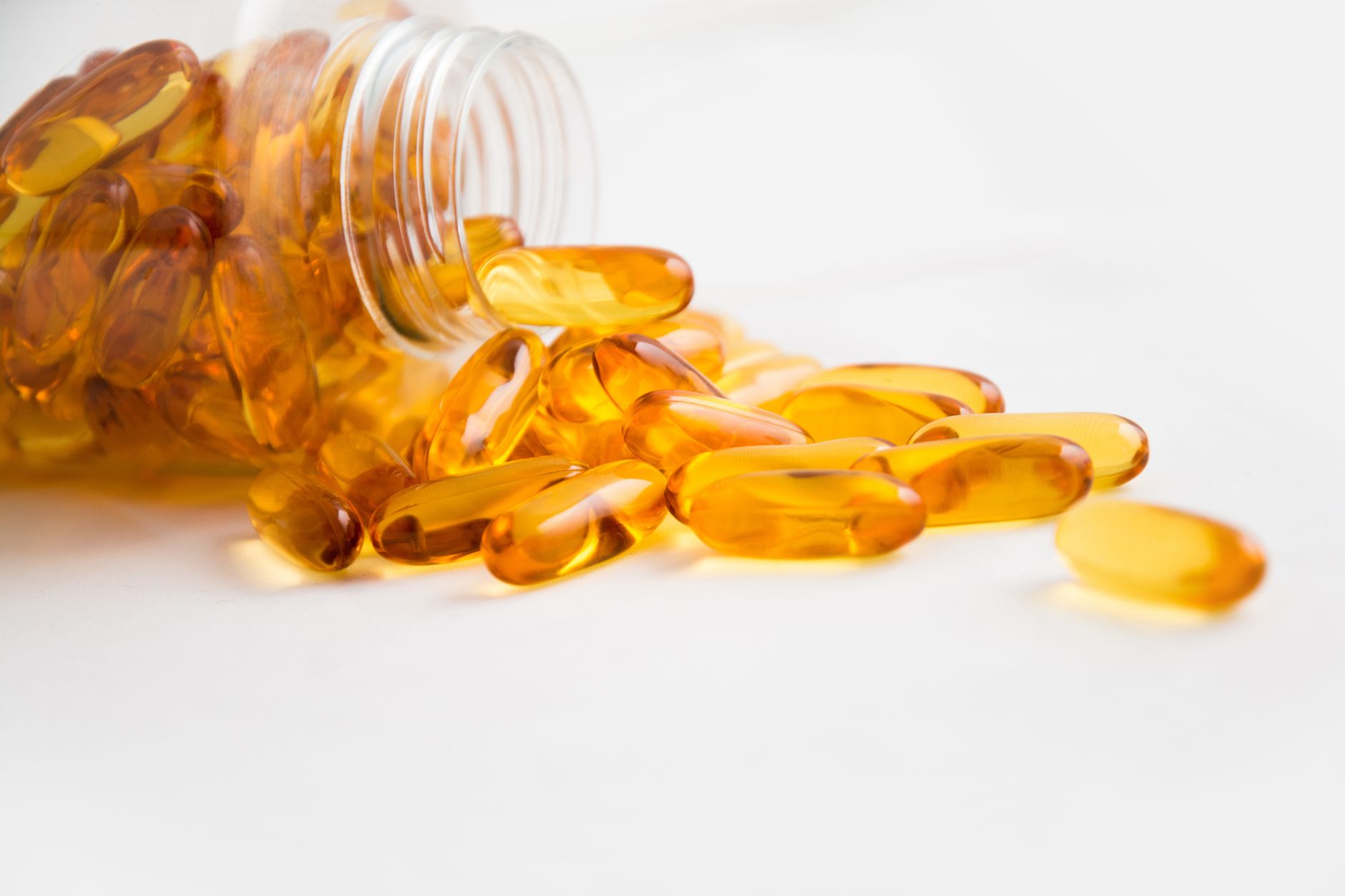
Teens with acne should keep proven treatment and treat diet changes as backup, not a replacement. The omega-3 headline comes from one small 16-week study, not the 2026 federal diet review itself.
Omega-3 balance means having enough EPA and DHA, two omega-3 fats found in fatty fish and supplements. The American Academy of Dermatology reports acne affects nearly 50 million Americans yearly and about 85% of adolescents. That reach explains why diet headlines spread fast among teens.
Medical information disclaimer: This article is for general educational purposes only and does not provide medical advice, diagnosis, or treatment. Always consult a physician or other qualified health professional about symptoms, medications, tests, or treatment decisions.
Table of Contents
- What did the 2026 diet review say?
- What did the omega-3 acne study test?
- Why does the result not prove cause?
- How should teens use this information?
What did the 2026 diet review say?
HHS and USDA released the Dietary Guidelines for Americans, 2025-2030 on Jan. 7, 2026. According to the HHS/USDA fact sheet, the guidance urges more protein and whole foods and less ultraprocessed foods and added sugar.
The guidelines give general healthy-eating advice, not an acne prescription. The American Academy of Dermatology guidelines make no specific dietary recommendation for acne. A Medscape report on the 2025 EADV debate notes mixed trial results on low-glycemic-load diets.
What did the omega-3 acne study test?
Researchers in Munich followed 60 patients with mild-to-moderate acne for 16 weeks. According to the study in the Journal of Cosmetic Dermatology, the group followed a Mediterranean diet plus EPA/DHA supplements and had significant drops in lesions.
Inflammatory means red, sore pimples; non-inflammatory means blackheads and whiteheads. A Wiley press release reports 98.3% of participants started with an omega-3 deficit. Significant lessening occurred mainly in those who reached target blood omega-3 levels.
Why does the result not prove cause?
The Munich report had no placebo control and combined diet plus supplements. According to the Ludwig Maximilian University author statement in the press summary, the design cannot prove omega-3 alone caused improvement and authors call for randomized placebo-controlled follow-up.
Most participants began low, so the result says little about teens with adequate intake. Diet changed at the same time as supplement use, so either factor or visit effects could matter.
How should teens use this information?
Study corresponding author Anne Guertler advises teens treat diet as an adjunct to proven acne care and clinician guidance, not as a substitute for prescription treatment. Keep current treatment while discussing food or supplement ideas with a clinician. According to the NIH Office of Dietary Supplements fact sheet, adequate ALA is 1.6 g per day for men and 1.1 g for women.
The same source notes EPA and DHA come from fatty fish and supplements. It also cites FDA advice to stay at no more than 3 g per day of combined EPA plus DHA. Bring the log and ask whether testing, dose change, or referral makes sense.
- Keep prescriptions and follow-up visits while testing food changes
- Ask a clinician before starting EPA/DHA supplements, especially at higher doses
- Bring a short food, supplement, and symptom log to the next visit
You Might Also Like
- Omega-3 Balance and Acne Questions in the 2026 Diet Review: How Teens With Acne Can Test Changes Without Overrestricting
- Mediterranean and Vegan Diet Claims in the 2026 Acne Review: How Teens With Acne Can Test Changes Without Overrestricting
- Diet and Acne Facts and Controversies in the 2026 Review: How Teens With Acne Can Test Changes Without Overrestricting