
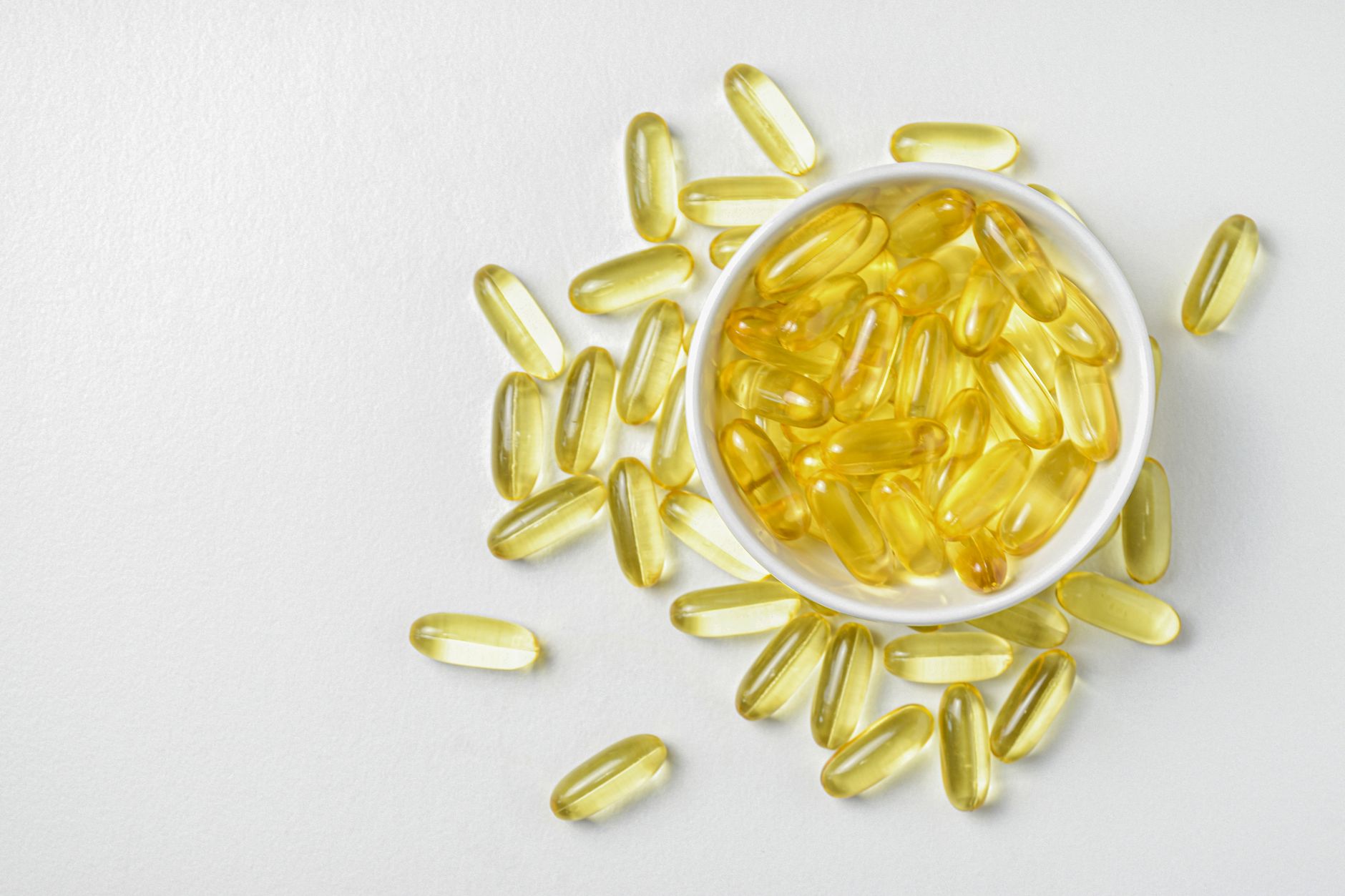
Teens with acne can test food changes without overrestricting by keeping balanced meals and changing one variable at a time. Omega-3 balance means enough EPA and DHA relative to omega-6 fats, and low blood levels often appear in acne patients. Tracking foods plus breakouts for 4 to 12 weeks with a clinician or dietitian makes results clearer. Treatment still centers on proven acne care, with diet as a careful add-on.
Medical information disclaimer: This article is for general educational purposes only and does not provide medical advice, diagnosis, or treatment. Always consult a physician or other qualified health professional about symptoms, medications, tests, or treatment decisions.
Table of Contents
- What does omega-3 balance mean?
- Do acne guidelines recommend a diet?
- Which food patterns link with breakouts?
- How much omega-3 do teens need?
- How can a teen test one change safely?
What does omega-3 balance mean?
Omega-3 balance describes the share of EPA plus DHA in red blood cell membranes. The HS-Omega-3 Index is the lab test that reports that share as a percentage. A German pilot at the University of Regensburg found acne patients averaged 5.15% on the HS-Omega-3 Index against an 8-11% target range, according to the Regensburg pilot in Life. Low values appeared across acne severity levels.
That pattern suggests intake, not severity alone, drives the gap. Clinical plus genetic analysis in the European Journal of Nutrition concluded omega-3 fats appear protective while certain omega-6 types and ratios may promote acne. Small controlled trials of EPA plus DHA with borage oil reported fewer lesions than control, as reported by MDedge Dermatology. Trials remain small, short, and often lack baseline blood levels, as noted in a 2026 Antioxidants review.
Do acne guidelines recommend a diet?
The 2024 American Academy of Dermatology acne guidelines made no specific dietary recommendations, noting mixed low-glycemic-load trial results, as summarized in the Medscape summary of AAD guidance. Three small trials favored low-glycemic load, but one larger 84-patient trial found no added benefit. That split explains why doctors treat diet as individual testing, not a rule.
For families, the message is steady. Keep prescribed treatment, sleep, and gentle skin care in place. Use food tests only to learn what helps one teen.
Which food patterns link with breakouts?
Reviews link frequent high-glycemic foods, skim milk, fatty and sugary foods, and fast food with more self-reported acne, while Mediterranean-style patterns with fatty fish, fruits, and vegetables link with less, according to the Contemporary Pediatrics literature review. High-glycemic means white bread, sweets, sugary drinks, and snacks that spike blood sugar fast.
No single food causes acne for every teen. A pattern matters more than one meal. Teens who eat regular meals with fiber, protein, and produce have an easier test baseline.
How much omega-3 do teens need?
NIH sets adequate total omega-3 as ALA at 1.6 g per day for boys 14-18 and 1.1 g per day for girls 14-18, with FDA advising no more than 3 g per day combined EPA plus DHA, according to the NIH omega-3 fact sheet. ALA is the plant form in walnuts, flax, chia, and soybean oil. EPA and DHA come mainly from fatty fish such as salmon, sardines, and mackerel.
Food first fits teen needs for growth, calcium, iron, and protein. Supplements add real dose and bleeding risk at high amounts, so families should ask a clinician before use. A dietitian can match fish meals, dairy, and iron-rich foods to preferences and budget.
How can a teen test one change safely?
Keep the nutrient-dense adolescent pattern from the U.S. Dietary Guidelines 2025-2030, including dairy, protein foods, calcium, and iron.
Change only one variable, then track intake plus lesions for 4 to 12 weeks with a clinician or dietitian rather than broad elimination. Bring the log to the visit and ask whether blood testing, referral, or dose adjustment fits. Keep what helps and drop what does not.
- Pick one test, such as sugary drinks to water, or two fish meals per week.
- Log foods, sleep, stress, cycle, treatment use, and lesion count twice weekly.
- Keep calories, dairy, and treatment steady during the test.
- Stop restrictive rules that cause weight loss, fatigue, missed periods, or food fear.
- Review photos and logs with a clinician before deciding to keep, adjust, or drop the change.
You Might Also Like
- Mediterranean and Vegan Diet Claims in the 2026 Acne Review: Questions Teens With Acne Can Ask a Dermatologist
- Why the 2026 Acne Diet Review Warns Against Restrictive Regimens: Questions Teens With Acne Can Ask a Dermatologist
- Milk, Dairy, and Acne Evidence Revisited in 2026: Questions Teens With Acne Can Ask a Dermatologist