
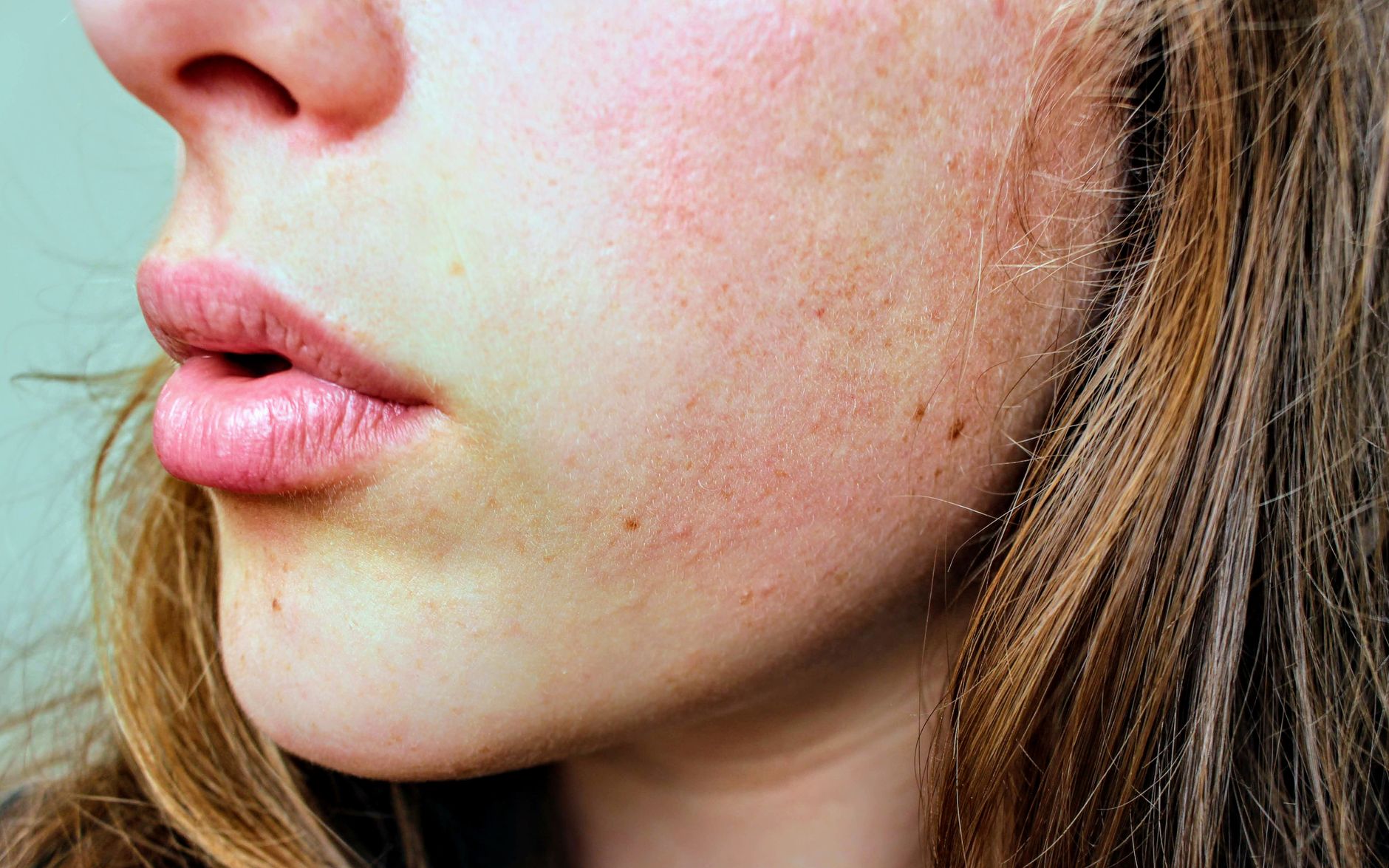
A 2026 scoping review found only 13% of 105 acne-AI studies reported skin color or ethnicity, so apps built on this research have little proof they work equally for all teens. Acne AI — software that grades acne from skin photos — therefore carries more uncertainty for teens with darker skin tones. Teens face high stakes because acne is common in ages 12-24. Parents can still use an app for tracking, but should confirm any grade or product advice with a clinician.
Medical information disclaimer: This article is for general educational purposes only and does not provide medical advice, diagnosis, or treatment. Always consult a physician or other qualified health professional about symptoms, medications, tests, or treatment decisions.
Table of Contents
- What did the 2026 review find?
- Why does the gap matter for teens?
- Can parents trust current acne apps?
- How should parents use acne apps safely?
What did the 2026 review find?
The International Journal of Dermatology reports in the 2026 scoping review that only 13% of 105 acne-AI articles reported patient skin color or ethnicity. Only 3.8% used skin-tone data when building the model. That gap starts earlier than acne apps.
A Lancet Digital Health review of 21 public skin-image datasets found ethnicity data for only 1,415 images and Fitzpatrick type for only 2,236 images from more than 100,000 images. Among labeled images, reporting cited only 10 with brown skin and one with dark-brown or Black skin. The ethnicity subset included zero patients of African, Afro-Caribbean, or South Asian descent.
Why does the gap matter for teens?
The American Academy of Dermatology notes in its updated acne guidelines that acne affects about 85% of people ages 12-24 and up to 50 million Americans yearly. It is the most common U.S. skin condition.
A 2025 systematic review in the Journal of Personalized Medicine warned that models trained mainly on East Asian images will likely underperform in other populations. Training data shapes what the tool recognizes. For parents, that means missed spots, wrong severity grades, or advice that does not fit their teen. The risk is higher when the teen's skin tone was rare or absent in training data.
Can parents trust current acne apps?
JAMA Dermatology concluded in its review of 41 dermatology apps that most lacked supporting evidence, clinician input, and transparency. The authors warned poor validation and misleading messages may cause harm. The acne equity finding shows a reporting gap, not proof that every consumer app misreads darker skin today.
The International Journal of Dermatology review did not directly test each app on diverse teens. So treat app scores as estimates. The American Academy of Dermatology states in its warning on diagnostic apps that no app claiming to diagnose skin disease is FDA-approved or guaranteed accurate or safe. Apps should not replace physician care.
How should parents use acne apps safely?
Use the app to record change over time, not to diagnose. Take clear photos in the same light, save dates, and note symptoms like pain, spreading, scarring, or dark marks.
Bring the original photos and the app report to the visit. Ask the clinician to confirm severity and choose treatment.
- Photograph without filters and keep the originals
- Write down what the app said and why you are concerned
- Stop any product that burns, peels badly, or worsens swelling
- Book a dermatologist or pediatrician for moderate, painful, or scarring acne
- Ask whether the result fits your child's skin tone and history
You Might Also Like
- Skin-Tone Equity Gaps in 2026 Acne AI Research: What Developers Still Need to Prove for People With Skin of Color
- Individualized Pediatric Acne Care Discussed at AAD 2026: What the Update Means for Teens With Early Acne
- Individualized Pediatric Acne Care Discussed at AAD 2026: Evidence and Practice Questions Still Open for Parents of Teens With Acne