
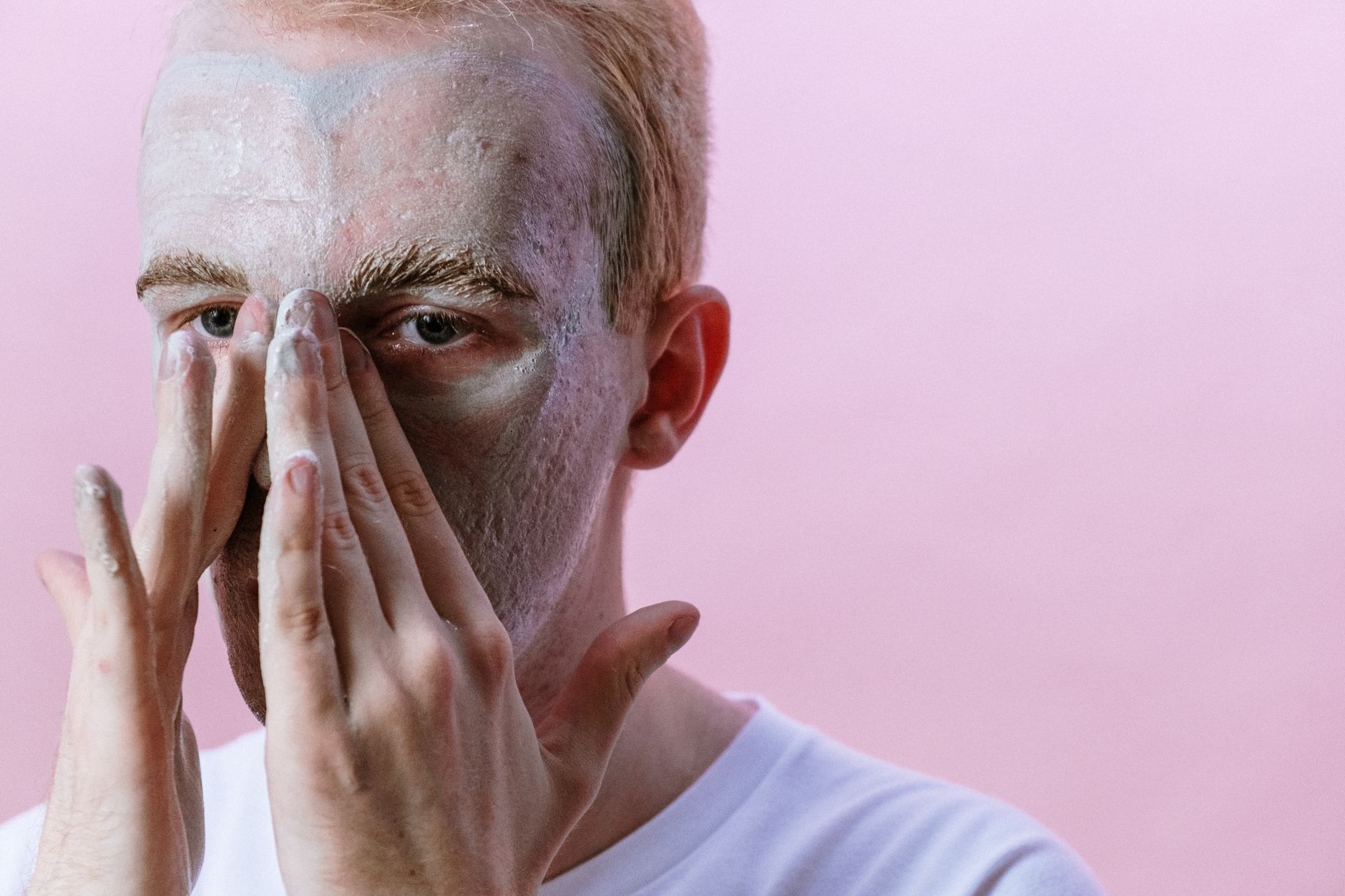
Helmet acne is acne mechanica, a sports-induced breakout caused by heat, sweat, pressure, occlusion and friction trapping oil under gear. It is usually mild and manageable with prompt cleaning, gear hygiene and over-the-counter care, with clinician care as the next step for persistent bumps. The American Academy of Dermatology links this acne to heat, sweat, pressure, occlusion and friction under gear as summarized in this dermatology briefing. Occlusion means skin stays covered and damp, so oil and sweat clog pores faster where pads and straps press.
Medical information disclaimer: This article is for general educational purposes only and does not provide medical advice, diagnosis, or treatment. Always consult a physician or other qualified health professional about symptoms, medications, tests, or treatment decisions.
Table of Contents
- Why helmets trigger breakouts
- Where it appears and who gets it
- How to prevent flare-ups during play
- Safe treatment and when to get care
Why helmets trigger breakouts
CMAJ lists helmets, helmet straps, chin straps, shoulder pads and tight synthetic uniforms as primary culprits in its sports dermatology review. Football and hockey players, motorcyclists, cyclists and other helmet users face the highest contact.
Pressure holds damp fabric against skin and blocks airflow. Repeated rubbing then packs oil, sweat and dead cells tighter into pores.
Where it appears and who gets it
CMAJ notes breakouts form along contact lines — forehead, areas in front of the ears, chin, jawline, shoulders and strap paths. They often look like small red bumps, follicular papules and pustules, sometimes deeper nodules.
Papules are solid bumps, pustules hold pus, and nodules sit larger and deeper. Dermatology Times, reporting dermatologist interviews, notes people already prone to acne develop this friction type more readily. Most cases act as a nuisance rather than severe disease.
How to prevent flare-ups during play
The American Academy of Dermatology, via Medscape, advises washing skin promptly after play and cleaning carefully under straps and pads. A clean cotton or moisture-wicking layer under gear cuts direct rubbing and trapped sweat.
Keep helmet shells, pads and liners clean on a routine schedule. Take helmets off during breaks to let skin dry and cool.
- Wash face, jawline and strap areas right after play
- Wear a clean cotton or moisture-wicking layer under gear
- Clean helmet liners often and remove helmets during breaks
Safe treatment and when to get care
Dermatology Times, reporting dermatologist interviews, points to gentle cleansing plus salicylic-acid cleansers to unclog pores and benzoyl peroxide to lower bacteria and inflammation in its acne mechanica guidance. Tougher or lasting cases may need topical or oral anti-inflammatories or antibiotics from a clinician. UC San Diego Health Library warns against picking, popping or harsh scrubbing, which raises irritation, scarring and spread of bacteria.
Seek a board-certified dermatologist for bumps that last, worsen, hurt or look like folliculitis, an infection of hair follicles. Stop scrubbing once skin feels sore or looks raw. Book a board-certified dermatologist visit if any warning sign appears.
- Bumps persist beyond basic care or spread
- Lesions turn painful or swollen
- Breakouts look like folliculitis, with tender infected follicles