
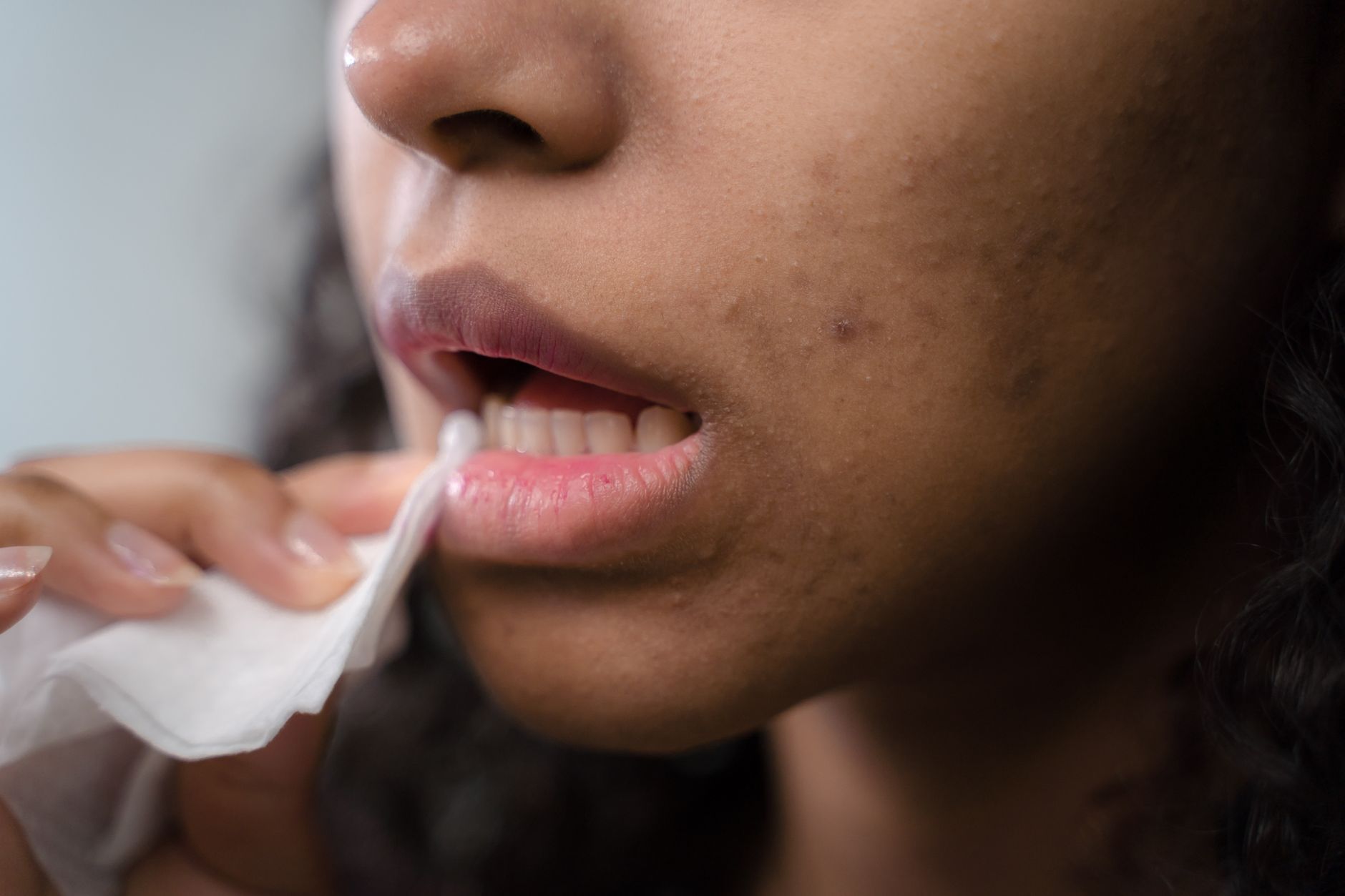
The 2026 adult acne diet review warns against restrictive regimens because adult studies show patterns, not single forbidden foods, shape likelihood of persistent acne. Researchers still need controlled adult trials that separate overall diet quality, dairy type, glycemic load, and microbiome effects. Persistent acne means acne vulgaris, a clogged-pore and inflammatory condition, that continues past the teen years. For adults, hormones, genetics, and treatment response interact with diet, so cutting more foods rarely resolves it alone.
Medical information disclaimer: This article is for general educational purposes only and does not provide medical advice, diagnosis, or treatment. Always consult a physician or other qualified health professional about symptoms, medications, tests, or treatment decisions.
Table of Contents
- What the 17-study adult review found
- How Mediterranean patterns compare with strict cutouts
- Why guidelines still do not prescribe an acne diet
- What to do instead of adding more food rules
- Frequently Asked Questions
What the 17-study adult review found
Kelman and colleagues synthesized 17 adult studies of dietary and nutraceutical exposures in the 17-study adult review. The goal was trends, limitations, and research gaps for acne vulgaris outcomes in adults. Most included studies were observational, small, or short, with varied acne measures. The review proposes three biological paths worth testing further.
High glycemic-load diets may raise insulin, dairy may stimulate IGF-1, and fiber-rich patterns may modulate the microbiome through the gut-skin axis. These paths remain hypotheses in adults, not proven treatment targets. The practical limit is comparison. Studies used different food questionnaires, acne scales, and adult age bands. That variation makes strict rules premature and points toward testing whole patterns first.
How Mediterranean patterns compare with strict cutouts
Adults with higher Mediterranean-diet scores had lower odds of current acne in King's College London research. Each one-point increase linked to 7% lower odds overall and 10% lower in women, according to the King's College London results. The pattern emphasizes vegetables, fruit, legumes, whole grains, olive oil, fish, and yogurt. Food-level links favored balance over exclusion.
In the same adult study, cooked vegetables, cheese, and yogurt linked to lower likelihood, while skim milk and milk desserts linked to higher likelihood. Men eating lower-carbohydrate, higher animal-based diets had greater likelihood of acne. The contrast matters for daily choices. A Mediterranean-style plate adds cooked vegetables, beans, fish, and plain yogurt. A restrictive approach removes dairy, grains, and fats together, which is harder to sustain and less supported.
Why guidelines still do not prescribe an acne diet
The NICE acne guidance NG198 advises there is not enough evidence to support specific diets for treating acne. It points instead to general balanced-diet guidance. That position reflects inconsistency across adult studies. A 2025-2026 systematic review and meta-analysis in Medical Journal UPH found no significant pooled associations for glycemic load, dairy, and fatty acids.
Certainty was moderate for glycemic and dairy outcomes and low for fatty acids. A dermatology review in the Journal of the European Academy of Dermatology and Venereology reports observational links for high glycaemic load, skim or low-fat milk, whey supplements, and unbalanced omega-6 to omega-3 intake, without proving causation. For readers, absence of a prescribed diet is protective. It prevents wasted months on elimination diets while effective treatment waits. It also keeps attention on dose, dairy type, and overall pattern rather than fear of food.
What to do instead of adding more food rules
Dermatologist Dr Asad warns that painful, persistent, or scarring acne needs medical assessment rather than increasingly restrictive rules, as described in the FoodBible expert report. Hormones and genetics can sustain acne during balanced eating. A clinician can check severity, scarring risk, medications, whey supplements, and menstrual or hormonal patterns.
Use diet as support, not punishment: Bring the note to the visit and ask about prescription options, supplement review, and referral timing. Ask whether fermented dairy behaves differently for you than skim milk. Leave with one eating change and one medical next step, not a longer banned list.
- Keep a two-week note of meals, sleep, stress, menstrual cycle, supplements, and breakouts.
- Shift toward vegetables, legumes, whole grains, fish, nuts, olive oil, and plain yogurt.
- Limit sugary drinks, milk desserts, and whey protein drinks for three to four weeks and observe.
- Seek prompt care for nodules, spreading pain, dark marks, pitting, or low mood about skin.
Frequently Asked Questions
Does cheese affect acne the same way as skim milk?
In the adult KCL data, cheese and yogurt linked to lower likelihood, while skim milk and milk desserts linked to higher likelihood. Dairy type may matter more than total dairy avoidance.
When should an adult stop diet experiments and get care?
Seek assessment for painful lumps, persistent breakouts despite steady habits, scarring, pigment change, or distress. Those signs point to medical treatment rather than another food rule.
You Might Also Like
- Mediterranean and Vegan Diet Claims in the 2026 Acne Review: What Researchers Still Need to Learn for Adults With Persistent Acne
- Diet and Acne Facts and Controversies in the 2026 Review: What Researchers Still Need to Learn for Adults With Persistent Acne
- Milk, Dairy, and Acne Evidence Revisited in 2026: What Researchers Still Need to Learn for Adults With Persistent Acne