
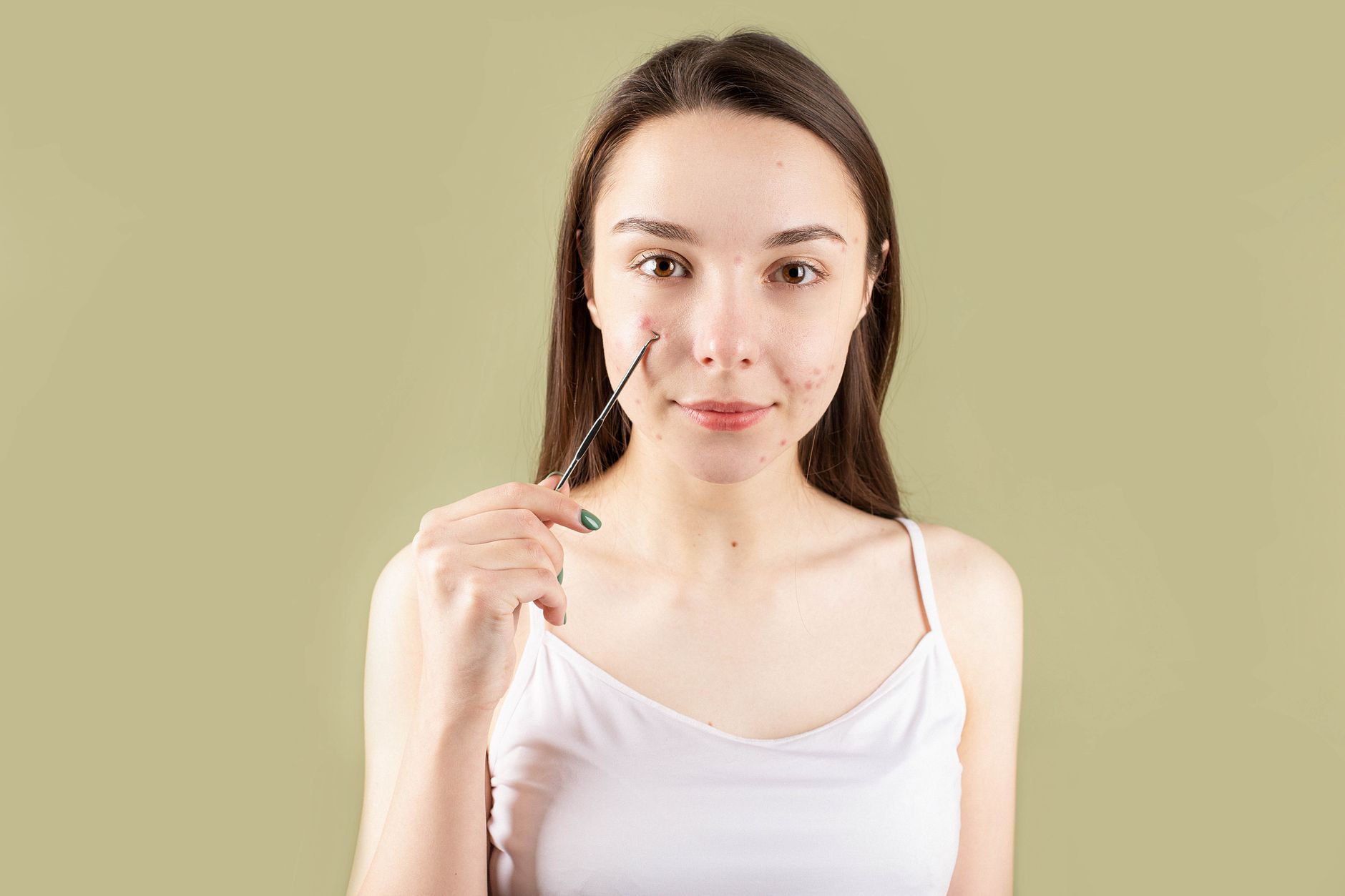
The 2026 study does not prove causation — direct cause-and-effect — because it surveyed teens at one time point. Teens with persistent, painful, scarring or self-esteem-harming acne should seek added care from a dermatologist and, for lasting distress, mental-health support. The MDPI journal Children reports the survey enrolled 208 adolescents ages 11-18 with chronic skin disease at dermatology clinics from September 2024 to March 2025, with acne vulgaris — common clogged-pore breakouts — as the most common diagnosis at 61.1%, described in the study report. Longer daily screen time was linked with poorer skin-related quality of life, lower self-esteem, more anxiety and more negative body image.
Medical information disclaimer: This article is for general educational purposes only and does not provide medical advice, diagnosis, or treatment. Always consult a physician or other qualified health professional about symptoms, medications, tests, or treatment decisions.
Table of Contents
- What the clinic survey found
- Why a one-time link cannot prove cause
- Who may feel the strain most
- When to seek added care
What the clinic survey found
Teens completed skin, mood and self-image measures during a clinic visit. Researchers then compared reported media use with quality of life, self-esteem, anxiety and body image. Longer screen time was associated with worse scores, especially when skin disease was visible.
Acne was the leading diagnosis, followed by other chronic conditions such as atopic dermatitis and psoriasis. The pattern fits concern about appearance pressure, but the design only captures one moment in time. It does not track teens over months to see what changes first.
Why a one-time link cannot prove cause
The study used an observational clinic survey at one time point. That design can show that two things occur together, but it cannot show which came first. Without time order, cause remains unproven. Acne researchers note the same limit for cross-sectional work, as Scientific Reports states that single-point data cannot determine direction of causality, explained in the causation methods discussion.
A teen could feel worse after heavy comparison viewing. An already anxious teen could also spend more time online. Other factors can shape both habits and mood. These include acne severity, sleep loss, stigma and curated social-media comparison. Sorting those paths needs follow-up over time, not a single survey.
Who may feel the strain most
Visible breakouts can draw unwanted attention during school, sports and photos. Teens who compare their skin with filtered images may judge normal healing as failure. That comparison can lower confidence even when acne is mild.
Poor sleep, painful lesions and fear of scarring add pressure. U.S. data show acne affects up to 50 million Americans yearly and 85% of people ages 12-24 get at least mild acne. With acne so common, many teens face the same trigger at an age when peer approval feels urgent.
When to seek added care
Over-the-counter care helps many mild cases, but ongoing pain, spreading lesions, dark marks or scarring deserve a dermatologist visit. Contemporary Pediatrics discusses AAD guidance that prescription treatment can control outbreaks that store products do not resolve, noted in the teen acne care review.
Earlier treatment can also reduce picking, lasting marks and daily cover-up effort. Watch mood alongside skin, and seek prompt mental-health evaluation for these signs: Bring a short log to each visit with breakout timing, products used, sleep hours and screen habits. Ask what prescription or support option fits next.
- sadness, anxiety, irritability or withdrawal lasting weeks
- harm to school work, home life or friendships
- unsafe behavior or any talk of self-harm, which needs immediate help, as the National Institute of Mental Health advises families in the children and mental health guide
You Might Also Like
- Anxiety, Body Image, and Acne in a 2026 Cross-Sectional Study: When Teens With Acne Should Seek Additional Support
- The 2026 Systematic Review of Acne and Quality of Life: When Teens With Acne Should Seek Additional Support
- Psychological Burden Across Acne Severity in 2026 Research: When Teens With Acne Should Seek Additional Support