
The 2026 antioxidant trial studied Chinese adults ages 18 to 50 with moderate-to-severe atrophic acne scars treated with ablative fractional CO2 laser. It did not report boxcar-only results, so boxcar scars were included only as part of overall atrophic scars. Boxcar scars are round or oval depressions with sharp edges and varied depth. Atrophic scars means indented scars from tissue loss, and one group in this trial received vitamin C plus vitamin E plus ferulic acid on one cheek.
Medical information disclaimer: This article is for general educational purposes only and does not provide medical advice, diagnosis, or treatment. Always consult a physician or other qualified health professional about symptoms, medications, tests, or treatment decisions.
Table of Contents
- What the 2026 trial tested
- Did it prove benefit for boxcar scars?
- Who was studied and who was not
- What boxcar patients should ask next
What the 2026 trial tested
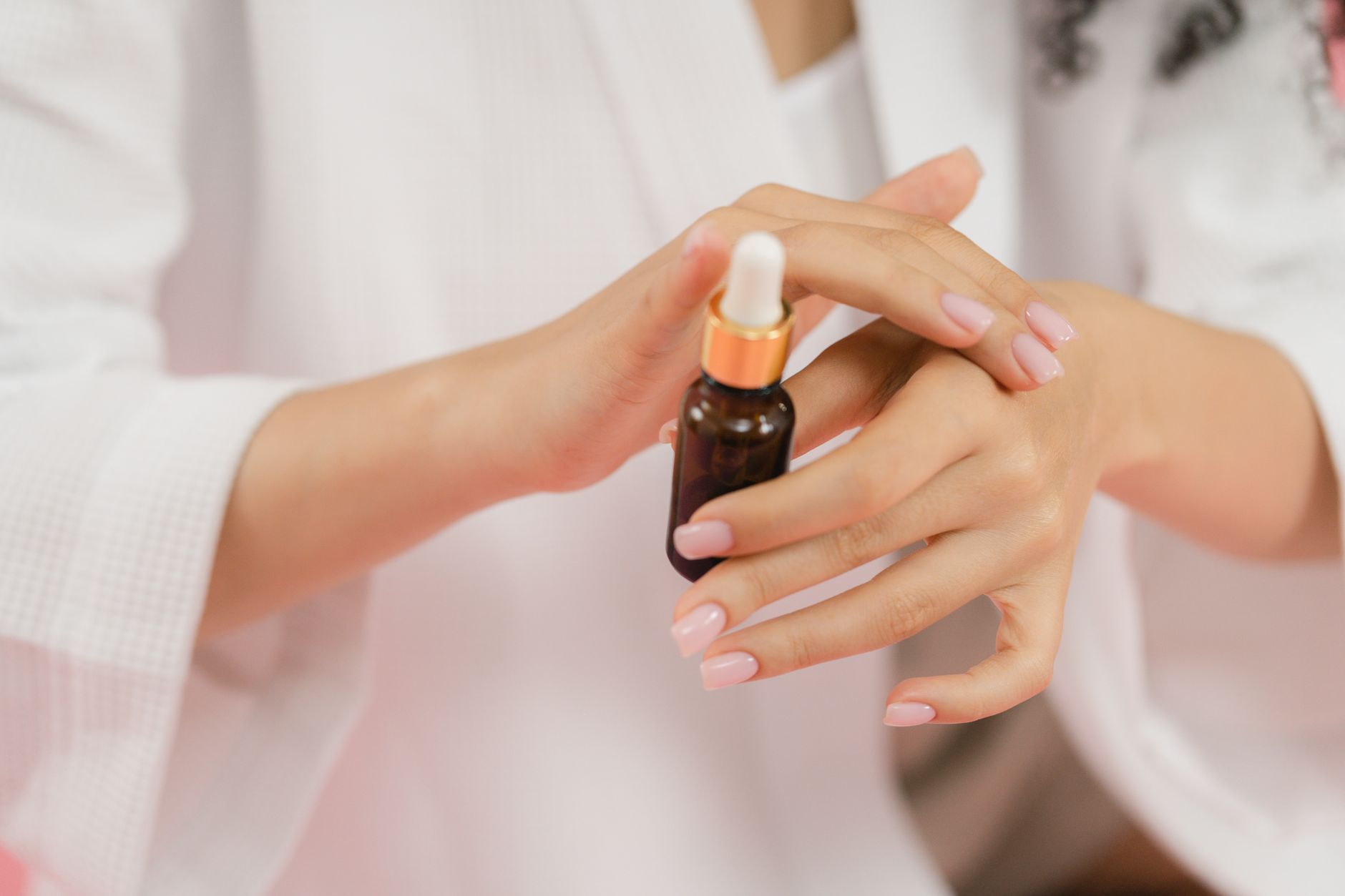
Shi, Xu and Zhang ran a randomized, investigator-blinded, split-face trial of the antioxidant combination after ablative fractional CO2 laser for atrophic acne scars, as reported in the Journal of Cosmetic Dermatology report by Wiley. One cheek received CE Ferulic serum after laser treatment. The other cheek received normal saline after the same laser.
Adults were graded with ECCA, a clinical scale for atrophic acne-scar severity. Treatment occurred from December 2020 to January 2021. Enrollment focused on moderate-to-severe cases.
Did it prove benefit for boxcar scars?
The combination side healed faster than saline and showed lower redness and melanin readings. According to the U.S. National Library of Medicine, the PubMed abstract also reports better hydration and barrier maintenance, suggesting lower risk of post-inflammatory dark marks.
That outcome was measured across atrophic scars as a group. Boxcar scars are one of three atrophic subtypes, along with icepick and rolling scars. Earlier fractional CO2 reports found rolling and shallow boxcar scars responded best while deep or pitted scars responded least, but the 2026 trial did not separate boxcar healing.
Who was studied and who was not
The studied group was Chinese adults ages 18 to 50 with moderate-to-severe atrophic scars at a single center. Children, adults over 50, mild scars, and non-Chinese populations were outside the enrollment.
The authors described the work as the first China-based randomized split-face test of this combination after ablative CO2 laser, with short follow-up that limits extension to other ancestries and skin types, according to the full trial text in PubMed Central. People usually kept out of elective ablative fractional CO2 treatment were also not candidates. That group includes active skin infection or active inflammatory acne in the treatment area, keloid tendency, pregnancy or lactation, recent isotretinoin use, immune suppression, and open wounds.
What boxcar patients should ask next
Ask whether your scars are mainly shallow boxcar, deep boxcar, rolling, icepick, or mixed. Response to laser varies by subtype and depth, so a mixed pattern needs a direct assessment. Bring photos of active breakouts, prior poor healing, and current medicines.
Ask about dark-mark risk and sun plans before booking laser. Strict photoprotection and sun avoidance matter after ablative resurfacing, especially for Fitzpatrick skin types III to VI. Do not have treatment on tanned skin or when strong sun exposure is soon expected.
You Might Also Like
- Antioxidant Serum After Fractional CO2 Acne Scar Treatment in 2026: How People With Boxcar Acne Scars Can Avoid Overreading the Headline
- Antioxidant Serum After Fractional CO2 Acne Scar Treatment in 2026: Cost, Sessions, and Downtime Questions for People With Boxcar Acne Scars
- Vitamin C, Vitamin E, and Ferulic Acid After Acne Scar Laser in 2026: Who Was Studied and Who Was Not for People With Boxcar Acne Scars