
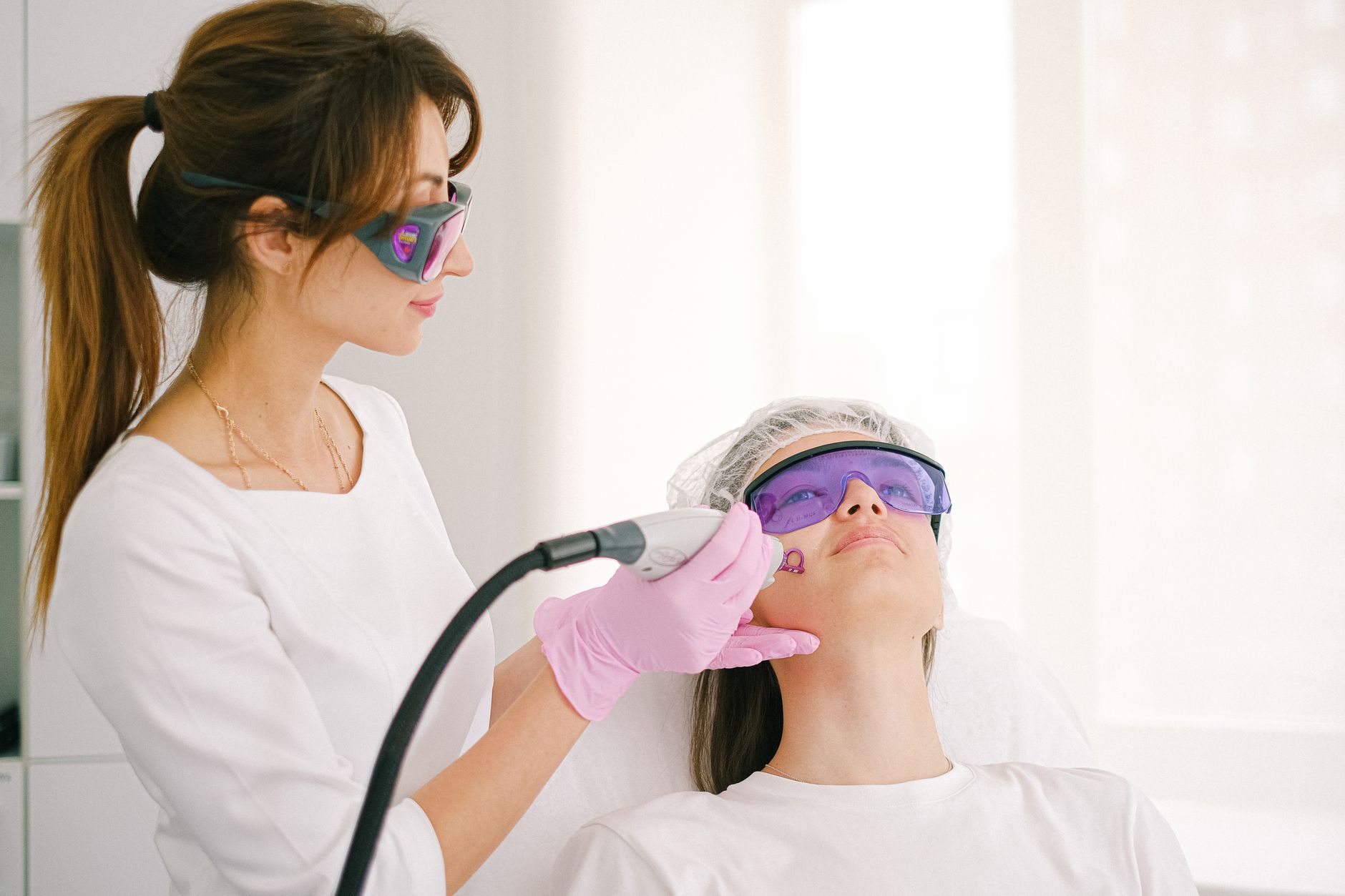
A 2026 pilot found no clear winner among IPL, pulsed dye laser (PDL) and Q-switched Nd:YAG laser for inflammatory acne. Adults with persistent red, tender breakouts can compare the options by sessions, tolerability, pigment risk, ongoing care needs, and cost rather than expected superiority.
The test enrolled 36 adults with moderate-to-severe inflammatory acne, with 12 assigned to each device, according to the U.S. National Library of Medicine PubMed record in the PubMed trial record. IPL means intense pulsed light, PDL means pulsed dye laser aimed at vessels, and Q-switched 1064-nm Nd:YAG means a deeper-penetrating infrared laser.
Medical information disclaimer: This article is for general educational purposes only and does not provide medical advice, diagnosis, or treatment. Always consult a physician or other qualified health professional about symptoms, medications, tests, or treatment decisions.
Table of Contents
- What did the 2026 three-arm trial show?
- How does each device act on acne?
- What improved besides lesion counts?
- How should adults compare options in clinic?
What did the 2026 three-arm trial show?
Lesion counts and severity scores did not differ significantly among IPL, PDL and Q-switched Nd:YAG at any treatment session. P-values ranged from 0.06 to 0.92, which means the gaps could reflect chance.
Improvement happened inside each group. Inflammatory lesion counts and severity fell during treatment, and Cardiff Acne Disability Index scores fell from baseline to two weeks after the final session.
How does each device act on acne?
PDL uses 585/595-nm yellow light aimed at oxyhemoglobin in dilated vessels. The World Journal of Advanced Research and Reviews review describes selective photothermolysis that reduces vascular inflammation, redness and inflammatory components.
Long-pulsed 1064-nm Nd:YAG reaches sebaceous glands and dermal vessels. Improvement is linked to thermal gland injury that lowers sebum, plus higher TGF-beta and lower IL-8 and TLR-2 signaling, according to Springer Lasers in Medical Science in the laser mechanism review. IPL uses noncoherent broad-spectrum 400-1200-nm light with bactericidal action on Cutibacterium acnes plus anti-inflammatory and sebaceous-gland effects.
What improved besides lesion counts?
Disability scores improved along with visible lesions. That matters because persistent adult acne affects work photos, social plans and makeup use.
The pilot did not prove one device gives a better quality-of-life gain. Readers should treat mood, pain, red marks and breakout frequency as separate outcomes to track.
How should adults compare options in clinic?
Expect a course of sessions plus continued topical or systemic care, not a single cure. A Journal of Drugs in Dermatology split-face summary found PDL reached high clearance in fewer sessions on average than IPL, so ask each clinic for its planned session count and spacing.
Use these checks at consultation: Evidence remains early. Only 36 patients were followed to two weeks post-treatment, and the American Academy of Dermatology 2024 acne guidelines state that large multicenter randomized blinded trials versus placebo are still needed, as summarized by MDedge in the guideline summary. Bring flare photos, a product and prescription list, and your pigment-change history to that first visit.
- How many sessions, what interval, and what defines progress or stopping
- Expected pain, bruising or purpura versus deeper-penetration tolerability
- Post-inflammatory pigment risk for your skin type and sun exposure
- What daily therapy continues during and after light treatment, plus full cost and access
You Might Also Like
- Microneedle Radiofrequency With Low-Dose Isotretinoin in 2026: How Adults With Persistent Acne Can Compare Treatment Options
- Low-Dose Isotretinoin Side Effects in the 2026 Fish Oil Trial: How Adults With Persistent Acne Can Compare Treatment Options
- Fish Oil With Low-Dose Isotretinoin in a 2026 Randomized Trial: How Adults With Persistent Acne Can Compare Treatment Options