
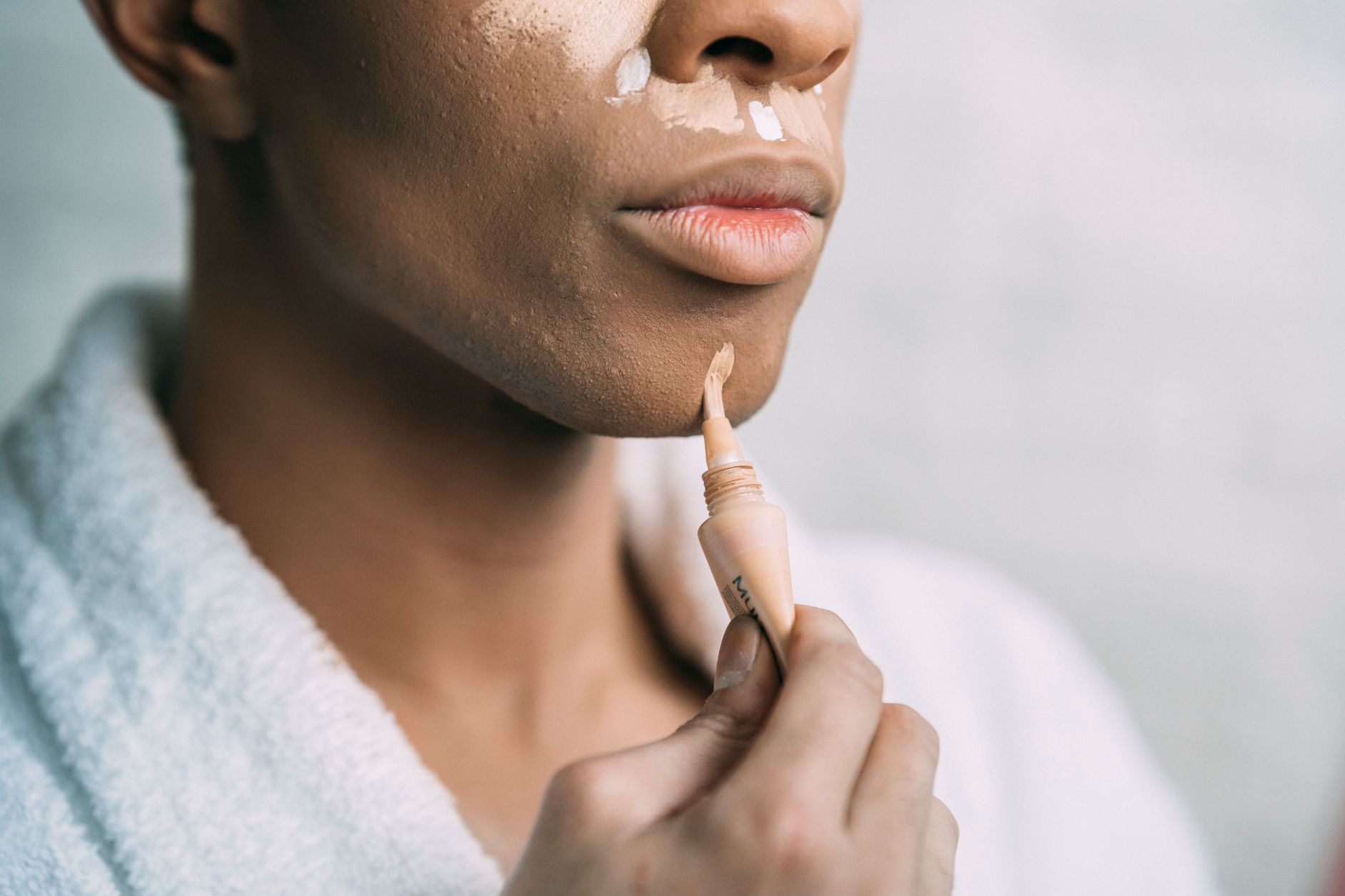
Acne AI in 2026 still shows skin-tone gaps because training sets hold far more light-skin images than dark-skin images. Teledermatology patients can lower privacy risk by asking about storage, sharing, and secondary AI use before sending photos.
Teledermatology means skin care by photo, video, or message instead of an in-person visit. For acne, that usually means close-up face photos sent through a portal or app. Those same photos can reveal identity and health details.
Medical information disclaimer: This article is for general educational purposes only and does not provide medical advice, diagnosis, or treatment. Always consult a physician or other qualified health professional about symptoms, medications, tests, or treatment decisions.
Table of Contents
- Why Does Acne AI Work Less Well on Darker Skin?
- How Reliable Is an AI Read of Your Acne Photo?
- Who Can Keep or Reuse Your Skin Photos?
- What Should You Ask Before You Upload?
Why Does Acne AI Work Less Well on Darker Skin?
Public dermatology atlases contained 3.6 times more images of the two lightest skin types than the two darkest. All 114 conditions were shown in light skin, but only 89 in the darkest type. MedCity News reporting the Scale AI/Stanford analysis documented that gap in this Scale AI/Stanford analysis report. A 2003–2025 meta-analysis in MDPI Diagnostics found worse model performance on darker Fitzpatrick phototypes.
Fitzpatrick phototypes group skin from light to dark by burning and tanning tendency. The authors also found training sets underrepresented non-White skin types in this MDPI Diagnostics meta-analysis. For acne, that matters because redness, dark spots, and scarring can look different across tones. A tool trained mostly on light skin may miss those cues. Patients with brown or Black skin face the highest risk of a weak result.
How Reliable Is an AI Read of Your Acne Photo?
Accuracy shifts sharply by model. Semmelweis University researchers found GPT-4o identified 93% of acne and rosacea photos correctly, while Google Gemini Flash 2.0 identified only 21%. The finding was reported by AIRevolution in April 2025. Generated images add another limit.
Patient Care Online reporting a July 2025 resident review found only 15% of AI-generated dermatology images were rated diagnostically accurate. Darker skin was heavily underrepresented in those image sets. Regulators now expect subgroup checks. The FDA's January 2025 draft guidance asks makers to address transparency and bias across training-data choice and subgroup results, according to MedDeviceGuide. For patients, an app score is a starting point, not a diagnosis.
Who Can Keep or Reuse Your Skin Photos?
Clinical photos are protected health information. Practical Dermatology states they require prior signed consent and storage in the medical record or HIPAA-compliant cloud, as explained in these Practical Dermatology photo tips. Phones and consumer iCloud or Google Photos are not proper storage. Consent for care is not consent for AI training. Medical Economics reported in June 2026 that HIPAA and business-associate agreements do not permit unrestricted reuse of telehealth data for AI training, detailed in this Medical Economics analysis.
Entering identifiable photos into a public model can count as unauthorized disclosure. A January telehealth breach cited in the same report exposed 716,000 people. Best practice calls for written consent for every image that states where and how it may be used or shared, according to MDedge/Medscape. That means retention time, secondary AI use, and outside sharing should be stated plainly. If the form is vague, ask before you upload.
What Should You Ask Before You Upload?
Use a short checklist at the visit or in the portal message. Clear answers signal careful handling.
Evasive answers signal caution. Save the answers with your visit notes. Choose a clinic that records your photo consent and honors opt-out requests.
- Where will my photos be stored, and for how long?
- Will they be used for AI training or shared outside my care team?
- Can I opt out of secondary use and request deletion?
- Will my face be cropped and identifiers removed before storage?
You Might Also Like
- Skin-Tone Equity Gaps in 2026 Acne AI Research: Skin-Tone and Equity Questions for Teledermatology Patients
- Pediatric Acne and Rosacea at the 2026 AAD Annual Meeting: Skin-Care Routine Questions for Pediatric Dermatology Patients
- Pediatric Acne and Rosacea at the 2026 AAD Annual Meeting: Scarring and Pigment-Change Questions for Pediatric Dermatology Patients