
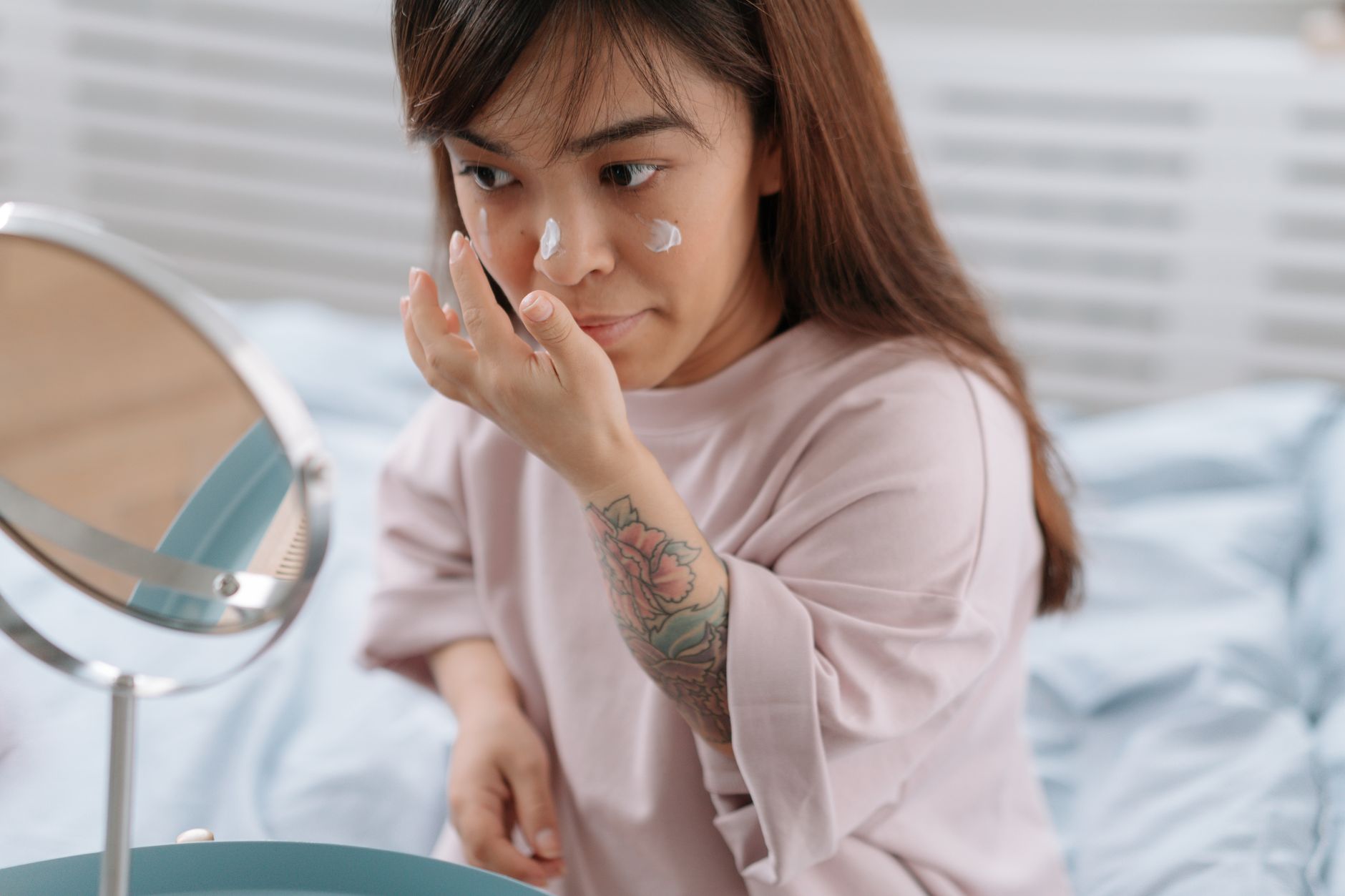
Adult female acne antiandrogen treatments are spironolactone, combined oral contraceptives, and topical clascoterone. Adults with persistent acne can ask a dermatologist which option fits their breakouts, health history, and plans for contraception.
An antiandrogen limits androgen signals that can raise sebum and inflammation in sebaceous glands. These choices are selective rather than routine for adults. The American Academy of Dermatology guidelines give conditional, case-by-case recommendations for the three hormonal approaches, unlike strong recommendations for benzoyl peroxide, retinoids, and isotretinoin.
Medical information disclaimer: This article is for general educational purposes only and does not provide medical advice, diagnosis, or treatment. Always consult a physician or other qualified health professional about symptoms, medications, tests, or treatment decisions.
Table of Contents
- Who has persistent adult acne?
- Which antiandrogen options may come up?
- How strong is the guidance for these drugs?
- What safety checks affect the choice?
- What should you ask the dermatologist?
Who has persistent adult acne?
Adult female acne includes persistent acne continuing from adolescence in about 80% of cases. Late-onset acne starts after age 25 in about 20% of cases. Lesions are often inflammatory papules on the cheeks, chin, and jawline, according to the Karger review in Skin Pharmacology and Physiology Karger review.
That pattern matters because location and timing guide questions about hormones. Continuing acne points toward long-term control rather than a short course. New acne after 25 still needs the same medical review for triggers and treatment fit.
Which antiandrogen options may come up?
Dermatology often initiates off-label systemic spironolactone at 50-100 mg daily for moderate-to-severe hormonally mediated acne in adult women. The SEL Primary Care summary notes occasional use up to 200 mg for prolonged courses. It is a systemic approach, not a spot treatment.
Only three combined oral contraceptives are FDA-approved for acne in the United States. They pair ethinyl estradiol with norgestimate, norethindrone, or drospirenone. Clascoterone 1% cream, sold as Winlevi, is a first-in-class topical androgen-receptor inhibitor, FDA-approved Aug. 26, 2020 for acne vulgaris in patients 12 and older, acting in sebaceous glands to reduce sebum and inflammation, according to the DermNet overview DermNet overview.
How strong is the guidance for these drugs?
The American Academy of Dermatology 2024 acne guidelines give only conditional, case-by-case recommendations for spironolactone, combined oral contraceptives, and topical clascoterone, according to the Journal of the American Academy of Dermatology abstract American Academy of Dermatology guidelines abstract. That differs from strong recommendations for benzoyl peroxide, retinoids, and isotretinoin.
For a reader, conditional means personal selection. A dermatologist weighs breakout type, severity, prior response, and other health issues. It also means asking what success would look like and when to change course.
What safety checks affect the choice?
Spironolactone can raise potassium and is contraindicated in hyperkalemia. The FDA DailyMed label calls for serum potassium checks within one week of starting and thereafter. It is generally avoided in pregnancy because of risk of feminization of a male fetus.
Combined oral contraceptives increase venous thromboembolism risk. FDA labeling warns especially about drospirenone pills, according to the FDA safety communication FDA safety communication. They should not be used by smokers over 35 or generally with migraine with aura, hypertension, prior clot, stroke, or breast cancer.
What should you ask the dermatologist?
Bring a short history and ask how each route fits daily life. Practical issues include contraception plans, blood pressure, smoking, migraine pattern, potassium or kidney drugs, treatment review after 3-6 months, and maintenance often lasting years for persistent adult acne. Ask for a written timeline for follow-up, dose changes, and what to report between visits.
- Do my breakouts and history suggest a hormonal driver?
- Am I a candidate for spironolactone, a combined pill, or topical clascoterone?
- What blood pressure, potassium, kidney, clot, migraine, smoking, or pregnancy checks do I need?
- How long should I try it before we judge benefit, and what is the maintenance plan?
You Might Also Like
- Topical Hormonal Acne Treatments in a 2026 Review: Questions Adults With Persistent Acne Can Ask a Dermatologist
- Limited Topical Spironolactone Evidence in the 2026 Review: Questions Adults With Persistent Acne Can Ask a Dermatologist
- Oral Doxycycline for Acne in a 2026 Systematic Review: Questions Adults With Persistent Acne Can Ask a Dermatologist