
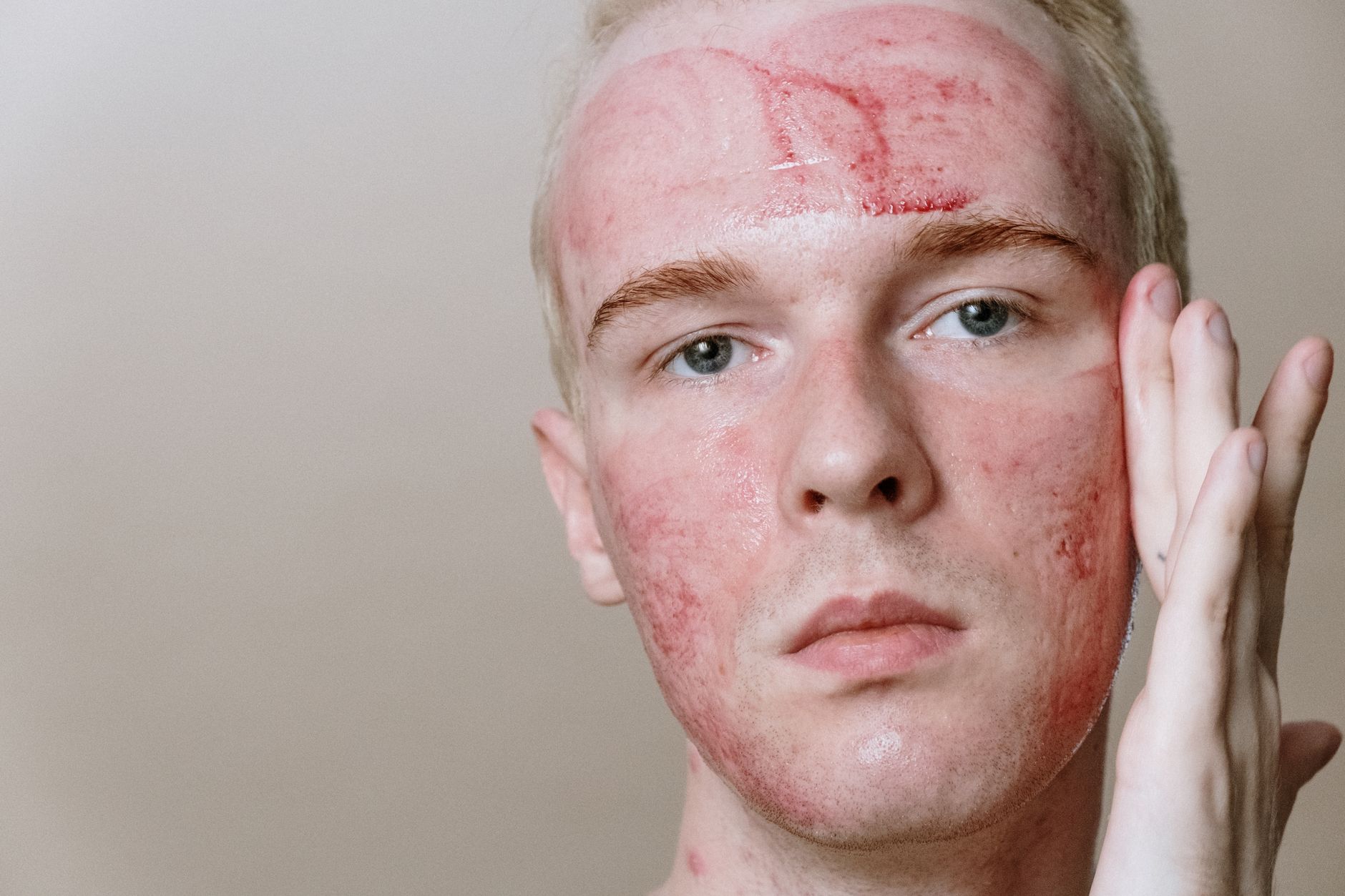
Concurrent acne procedures with isotretinoin means having a procedure such as fractional radiofrequency, laser, peel or extraction while still taking isotretinoin, rather than waiting until after stopping. For adults with persistent acne — acne vulgaris continuing beyond adolescence into adulthood — 2026 research builds on small randomized trials and expert consensus, but evidence remains limited to selected patients and procedures. Persistent acne affects many adults, with surveys reporting acne in up to 50.9% of women aged 20-29 and persistence into adulthood in up to 50% of patients, according to the American Acne and Rosacea Society. That makes timing matter: adults weighing months on isotretinoin often ask whether scars, clogged pores and breakouts must wait.
Medical information disclaimer: This article is for general educational purposes only and does not provide medical advice, diagnosis, or treatment. Always consult a physician or other qualified health professional about symptoms, medications, tests, or treatment decisions.
Table of Contents
- What concurrent care covers in these studies
- What the 42-patient radiofrequency trial tested
- What the scar-laser trial adds
- Where older evidence draws a line
- What relapse and dosing evidence means for planning
- Frequently Asked Questions
What concurrent care covers in these studies
Concurrent care in this research means isotretinoin taken for at least two months before adding a device or in-office procedure, then continuing the drug. The procedures studied include fractional radiofrequency, fractional ablative CO2 laser for scars, comedone extraction, chemical peels and selected lasers.
The 2026 ERAISE expert consensus states comedone extraction, chemical peels and laser procedures can be safely performed during isotretinoin therapy with proper technique, patient selection and post-procedure care, as reported in Springer Dermatology and Therapy in the ERAISE consensus statement. Safety depends on those conditions, not on isotretinoin alone. Technique, candidate choice and aftercare decide risk.
What the 42-patient radiofrequency trial tested
A 42-patient study enrolled adults with moderate-to-severe acne on isotretinoin for at least two months and randomized them to concurrent isotretinoin plus fractional radiofrequency, isotretinoin alone, or delayed radiofrequency after stopping isotretinoin, according to Dermatology Times in the concurrent radiofrequency report. The three-arm design separates drug effect from device timing. It also tests whether waiting changes results.
Small size limits what readers can take from it. Forty-two patients cannot define safety for all skin types, scar types, device settings or acne severity. Findings apply to adults with moderate-to-severe acne who already tolerated isotretinoin for two months.
What the scar-laser trial adds
A prospective randomized split-face trial compared fractional ablative CO2 laser given concurrently with oral isotretinoin versus delayed laser for acne scars, according to Lasers in Surgery and Medicine in the split-face laser trial summary. Split-face means one side received one timing approach and the other side received the other timing approach in the same person. That controls for individual healing differences.
The trial reported no serious adverse events, added scarring, or infection, with similar pain and downtime between timing groups. Similar pain and downtime does not mean identical results for every patient. Scar depth, laser energy, sun exposure and picking affect healing.
Where older evidence draws a line
A systematic review of 32 publications covering 1,485 procedures found insufficient evidence to delay manual dermabrasion, superficial peels, cutaneous surgery, laser hair removal and fractional lasers during or soon after isotretinoin. The same review, summarized by Northwestern and JAMA Dermatology in 2017, did not endorse mechanical dermabrasion or fully ablative laser with isotretinoin.
That distinction still matters for consent. Fractional means treated columns with spared skin between them, while fully ablative removes the full surface in the treated area. Readers considering resurfacing should ask which category the offered device falls into.
What relapse and dosing evidence means for planning
A JAMA Dermatology cohort of nearly 20,000 patients completing isotretinoin found 22.5% had relapse requiring systemic treatment and 8.2% required a second isotretinoin course, showing persistent disease remains common after one course. A procedure does not replace relapse planning. Ask how flares will be managed if acne returns after isotretinoin stops.
A 2026 systematic review using PICO selection of randomized trials found low-dose oral isotretinoin at 0.5 mg/kg/day or less had comparable 24-week efficacy to higher daily doses with better tolerability, according to Frontiers in Medicine. Dose affects dryness, lab changes and tolerability during a procedure course. Do not change dose to accommodate a procedure without the prescriber.
- Confirm active acne severity, scar type and isotretinoin duration and dose
- Ask whether the procedure is fractional, superficial, extraction-based or fully ablative
- Review healing risks by skin tone, keloid history, herpes history and sun exposure
- Clarify pause rules for isotretinoin, topicals and picking before and after
- Get written aftercare, downtime, sun protection and follow-up contact steps
Frequently Asked Questions
Can I get any acne procedure while taking isotretinoin?
No. Studied options include fractional radiofrequency, selected fractional lasers, superficial peels and comedone extraction in selected patients, while mechanical dermabrasion and fully ablative laser were not endorsed with isotretinoin in the 2017 systematic review.
Does a procedure prevent acne from coming back after isotretinoin?
The relapse cohort shows systemic retreatment remains common after one course, so ask your dermatologist for a flare plan separate from scar or pore treatment.
What should I bring to a consultation?
Bring isotretinoin start date, daily dose, side effects, scar photos over time, keloid and herpes history, current topicals, sun exposure and pregnancy-testing status.
You Might Also Like
- Cumulative Isotretinoin Dose and Acne Relapse in a 2026 Trial: Study Design and Evidence Limits for Adults With Persistent Acne
- IPL vs PDL vs Nd:YAG for Inflammatory Acne in a 2026 Pilot: Study Design and Evidence Limits for Adults With Persistent Acne
- The 36-Patient Acne Laser Pilot Published in 2026: Study Design and Evidence Limits for Adults With Persistent Acne