
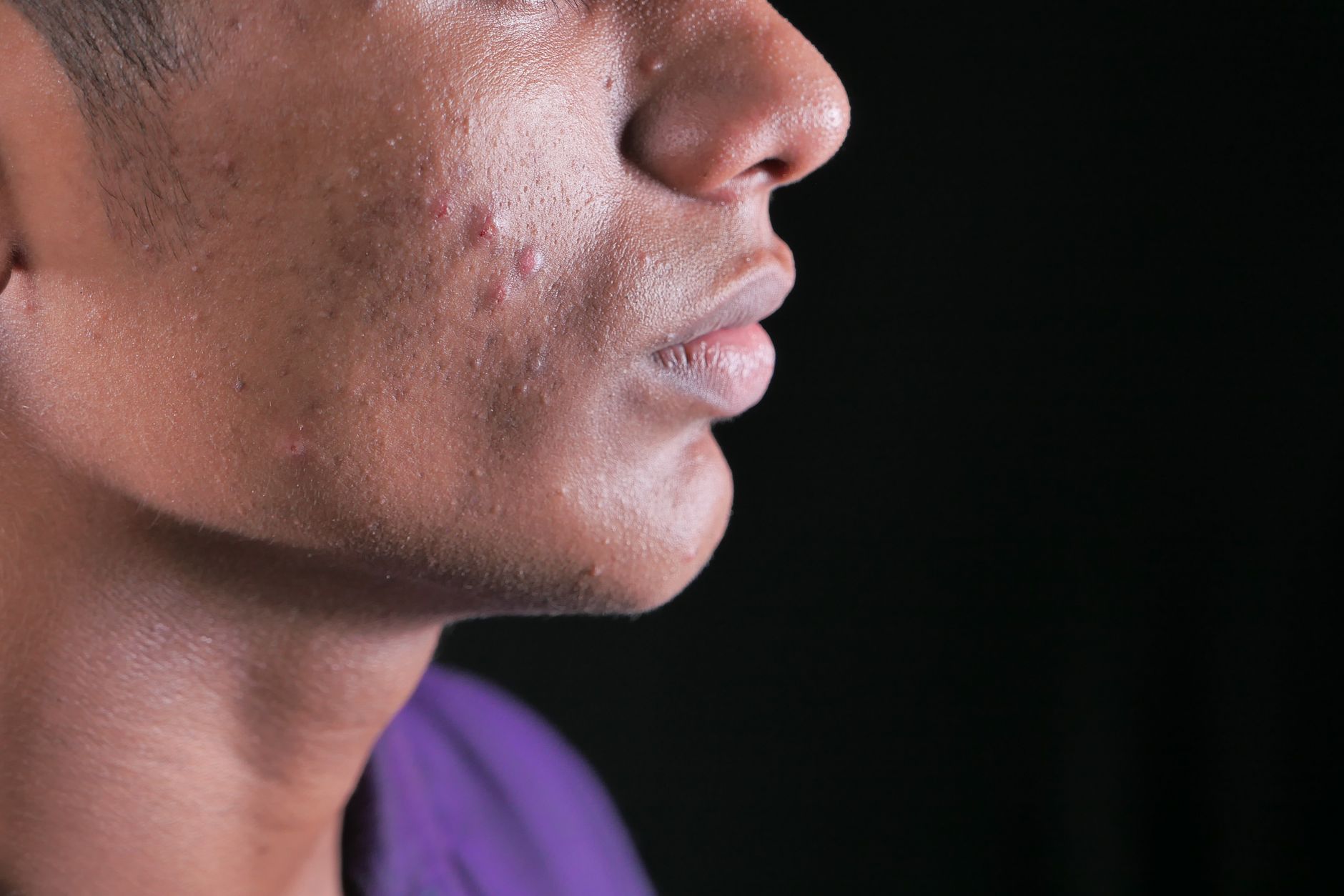
Pediatric acne and rosacea at the 2026 AAD Annual Meeting focused on diagnosis and look-alike questions for teens with early acne. Pediatric acne means acne in childhood and preteen years, and rosacea means a separate flushing and bump-prone facial condition that can mimic it. The meeting program put teen cases front and center. According to the AAD Meetings program, the Hot Topics in Pediatric Dermatology session listed Pediatric Acne and Rosacea by Dawn Eichenfield, MD, PhD, FAAD at 2:48 PM the 2026 Hot Topics program listing.
Medical information disclaimer: This article is for general educational purposes only and does not provide medical advice, diagnosis, or treatment. Always consult a physician or other qualified health professional about symptoms, medications, tests, or treatment decisions.
Table of Contents
- What did AAD 2026 highlight for teen skin?
- What does early preteen acne look like?
- When should families worry?
- Is it acne, rosacea, or a look-alike?
- What practical step protects skin and confidence?
What did AAD 2026 highlight for teen skin?
The 2026 American Academy of Dermatology Annual Meeting was held March 27-31, 2026 in Denver, Colorado as a comprehensive clinical and academic dermatology forum, according to the American Academy of Dermatology press release the AAD annual meeting announcement. Pediatric acne and rosacea earned dedicated time within that program.
A separate Acne and Rosacea session included Pediatric Acne: When to Worry by Elizabeth Swanson, MD, FAAD plus challenging cases with other acne specialists. That pairing signals a practical focus: when early breakouts are routine, and when they need a closer look.
What does early preteen acne look like?
Preadolescent acne affects ages 7-12 years. It usually appears as blackheads and whiteheads across the forehead and central face, with few red or tender pimples.
The T-zone pattern matters. Forehead and central-face comedones with sparse inflammatory lesions are typical, and this pattern may be the first sign of pubertal maturation, as reported by MDedge Pediatrics the MDedge guide to diagnosis and treatment of pediatric acne. For many tweens, that means small clogged pores before deeper breakouts.
When should families worry?
Age changes the decision. Mid-childhood acne from age 1 to under 7 years is concerning and warrants endocrine evaluation.
Healthy children ages 7 to 12 need only history and physical exam unless acne is severe, does not respond to care, or shows signs of excess androgens. Watch for these warning signs: A pediatrician or dermatologist can sort out whether hormones, skin care, or another trigger is driving the course.
- acne with early pubic or underarm hair, rapid growth, or body odor
- severe, scarring, or persistent inflammatory acne
- excess facial or body hair, irregular periods, or scalp hair thinning in teens
- acne that fails basic care and keeps worsening
Is it acne, rosacea, or a look-alike?
Comedones are the key divider. Acne vulgaris shows comedones as its hallmark on face and trunk, while papulopustular rosacea affects cheeks, nose and chin with papules, pustules, flushing and visible vessels but no comedones, as described by Dermatology Times the Dermatology Times report on pediatric papulopustular rosacea. Pediatric rosacea often starts with facial flushing and then progresses.
It frequently involves the eyes, which may need eye evaluation, and it overlaps with perioral dermatitis, seborrheic dermatitis and demodicosis that also lack comedones. Teens can have both conditions at once. Pediatric including pustular rosacea is rare, often misdiagnosed, and has no single gold-standard test, so adult criteria must be used with care.
What practical step protects skin and confidence?
Treat early acne and rosacea as different from adult disease. That means gentle cleansing, noncomedogenic moisturizer and sunscreen, spot-appropriate acne care, and medical review when flushing, eye irritation, or widespread bumps persist.
Early diagnosis and individualized treatment are essential to protect skin, confidence and well-being. Bring photos of flares, a list of products, and notes on flushing triggers to the visit.
You Might Also Like
- Pediatric Acne and Rosacea at the 2026 AAD Annual Meeting: Treatment-Selection Questions for Teens With Early Acne
- Pediatric Acne and Rosacea at the 2026 AAD Annual Meeting: When to Seek Care for Teens With Early Acne
- Early Pediatric Acne Assessment Highlighted at AAD 2026: Diagnosis and Look-Alike Questions for Parents of Children With Acne