
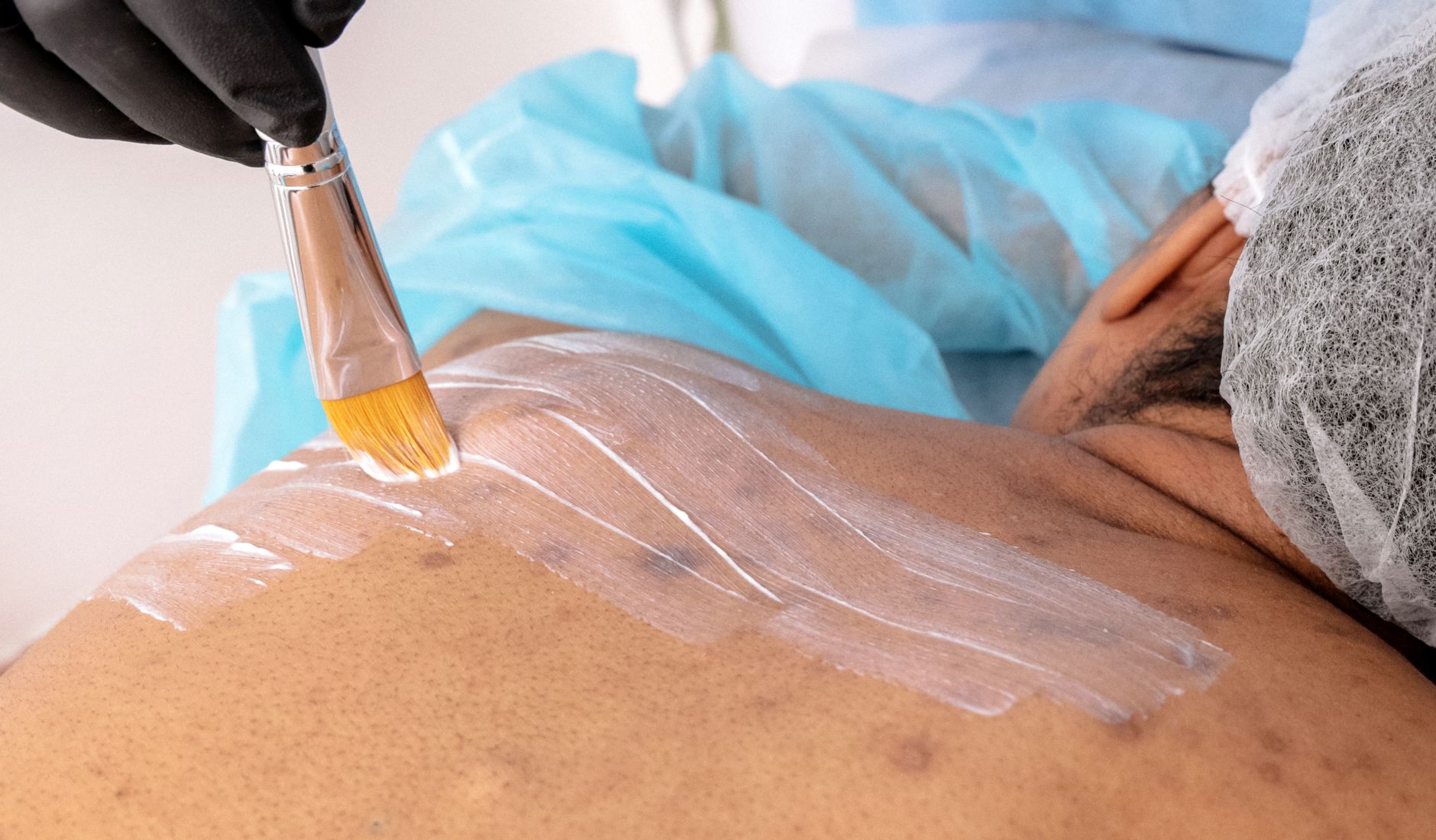
Acne scars are lasting texture changes after acne heals, either pits from collagen loss or raised scars from excess collagen. This 2026 guide focuses on safety and evidence limits, not promises of perfect clearance. Treatment works best when matched to scar type, active acne is controlled, and risks are discussed in advance. The sections below explain types, timing, evidence, safety, and questions to bring to a visit.
Medical information disclaimer: This article is for general educational purposes only and does not provide medical advice, diagnosis, or treatment. Always consult a physician or other qualified health professional about symptoms, medications, tests, or treatment decisions.
Table of Contents
- Which marks are true scars?
- Why control active acne first?
- What does the evidence actually support?
- What safety risks need a direct discussion?
- What should you ask at the consultation?
Which marks are true scars?
Dermatologists divide acne scars into depressed atrophic types — icepick, boxcar and rolling — and raised hypertrophic or keloid scars, according to UC San Diego Health. Dark post-inflammatory marks often look like scars but are color changes rather than true texture loss, as described in the UC San Diego Health scar classification.
Knowing the subtype matters because pits, rolling tethers, raised scars and dark marks respond to different approaches. A clinician should name the subtype seen on your skin before recommending energy, needling, filler, excision or color-directed care.
Why control active acne first?
Physicians advise getting active acne under control before correcting scars. The American Osteopathic College of Dermatology advises waiting until acne activity has been low or absent for several months.
The wait has two practical reasons. Color contrast fades with time, so early marks look better without intervention. New breakouts also create new scars, which can undo recent scar work.
What does the evidence actually support?
A 2016 Cochrane review found a lack of high-quality evidence to support first-line use of any acne-scar intervention, citing small low-quality trials and inconsistent outcomes. The Cochrane reviewers also noted poor reporting of serious side effects, as summarized in the Cochrane review of acne-scar interventions. The UK NICE acne guideline evidence review reached a similarly cautious position for CO2 laser.
It concluded only a weak recommendation could be made and said stronger evidence is needed for a stronger recommendation and wider NHS availability. This does not mean nothing helps individual patients. It means results vary, comparisons are weak, and a clinic should explain uncertainty, likely benefit, downtime, sessions needed and how final results are judged months later.
What safety risks need a direct discussion?
On Oct. 15, 2025, the FDA issued a Safety Communication for radiofrequency microneedling after reports of burns, hypertrophic or atrophic scarring, fat loss, disfigurement and nerve damage.
Dermatology Times reported that some injuries required laser or surgical revision and that FDA called the treatment a medical procedure not for home use, as detailed in the FDA safety alert reported by Dermatology Times. Ask about pigment change and keloid risk for your skin tone, pain control, infection care, downtime and who performs the procedure. Also ask about eye, nerve and fat-pad risks when heat, deep needling or aggressive settings are proposed near eyes, lips, temples or cheeks.
What should you ask at the consultation?
Bring a short checklist so the plan is specific rather than general. The American Academy of Dermatology consultation guidance supports asking for scar subtype, acne-activity status, device indication, operator training, risks by skin tone, sessions and long-term follow-up, as outlined in the American Academy of Dermatology scar-treatment guidance.
Scars can also carry emotional weight. A 2026 comparative study reported worse depression and stress scores and lower quality-of-life scores in people with acne scars, with greater severity linked to greater distress. Mention distress, avoidance or low mood during the visit so support is part of the plan.
- What scar subtype do I have in each area, and what is active acne versus fading color?
- Is my acne controlled enough to start, or should we wait several months?
- What is the exact FDA-cleared indication, who will operate the device, and how many supervised cases have they done?
- What are my risks of darkening, lightening, keloid, infection, fat loss, burn or nerve injury?
- How many sessions, what downtime, what cost, and when will we judge the final result?
You Might Also Like
- Recovery and Pigment Safety in the 2026 Split-Face Acne Scar Trial: How People With Atrophic Acne Scars Can Compare Acne Scar Procedures
- Herbal Acne Trial Safety and Evidence Limits in 2026: Questions Teens With Inflammatory Acne Can Ask a Dermatologist
- What Is New With Acne Scars in October 2026? Latest FDA and dermatology sources and Key Takeaways