
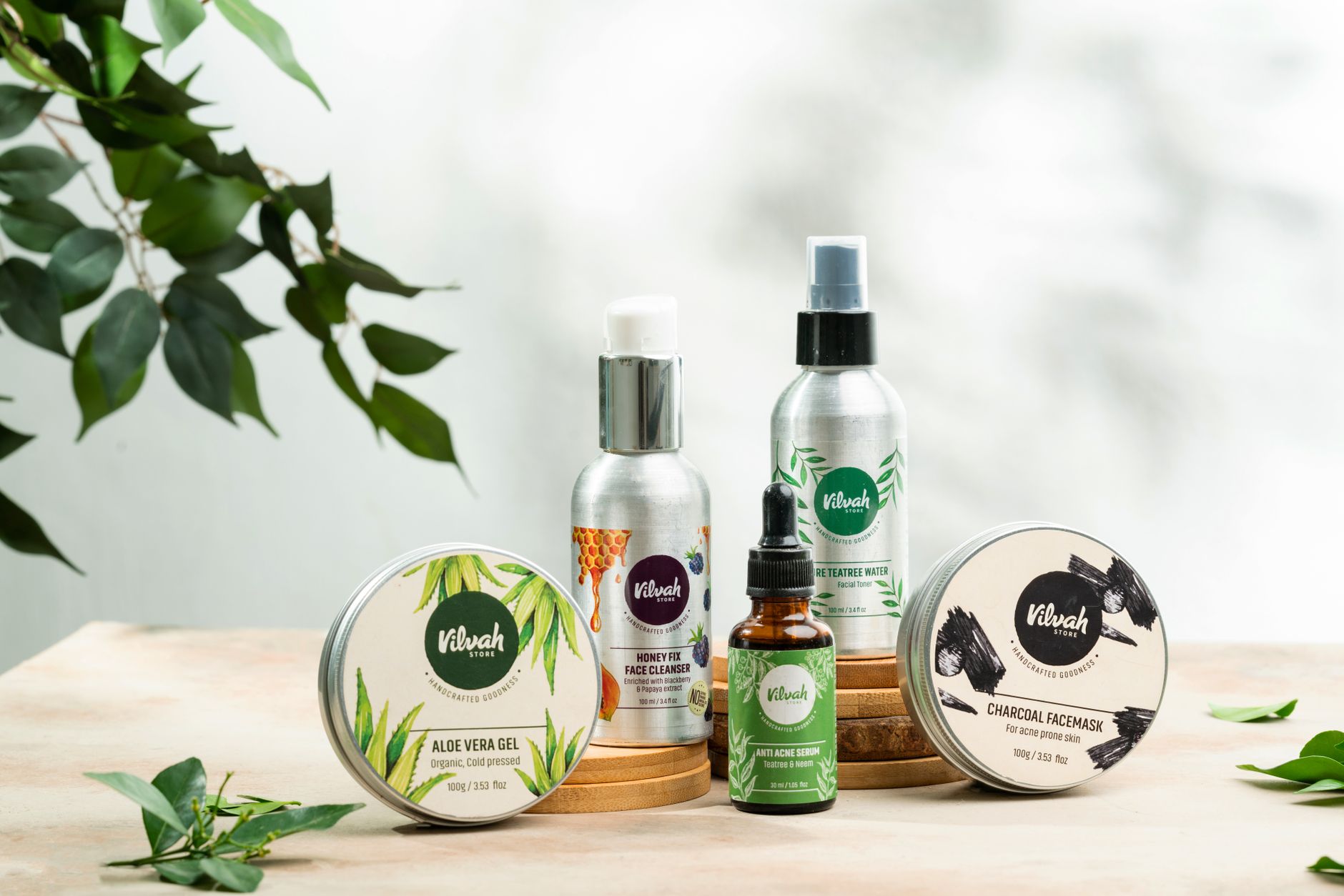
For teens with inflammatory acne, herbal treatments still lack strong proof and clear safety tracking in 2026. Inflammatory acne means red papules and pustules, and proven care still centers on conventional treatment while herbal trials show only weak, short-term signals. Readers need design context to judge herbal claims. Trial size, lesion counting, treatment length, and side-effect tracking decide whether a result applies to a teen considering a botanical oil, extract, or supplement.
Medical information disclaimer: This article is for general educational purposes only and does not provide medical advice, diagnosis, or treatment. Always consult a physician or other qualified health professional about symptoms, medications, tests, or treatment decisions.
Table of Contents
- How acne trials measure improvement
- What herbal results actually show for acne
- Safety issues teens should weigh
- Why 12 weeks is not enough for teen acne
How acne trials measure improvement
The U.S. Food and Drug Administration standards require counting facial inflammatory lesions separately from noninflammatory comedones, plus an Investigator's Global Assessment, according to FDA product-specific guidance. Trials typically enroll grades 2 to 4 and require at least 25 noninflammatory and 20 inflammatory lesions.
That structure matters because many herbal reports do not use the same counts. Without separate lesion counts and a standard global grade, readers cannot compare an herbal result with a drug trial. Teens should look for both numbers before trusting a percentage improvement.
What herbal results actually show for acne
The Cochrane Skin Group found only low-quality evidence from single trials that low-glycemic-load diet, tea tree oil, and bee venom may reduce total lesions, with little support for herbal medicine, acupuncture, or wet-cupping, according to the Cochrane review. A 2022 systematic review in Evidence-Based Complementary and Alternative Medicine reported lesion reductions without severe adverse events, but called for standardized methods and higher-quality evidence.
That means some botanicals show early signals, not settled proof. Small samples, varied formulas, short follow-up, and mixed outcome measures limit use for teens with moderate inflammatory acne. The American Academy of Dermatology, in updated 2024 guidelines reported via Newswise, gives strong recommendations for benzoyl peroxide, topical retinoids such as adapalene and tretinoin, topical or oral antibiotics, and fixed-dose combinations, according to updated acne guidelines.
Safety issues teens should weigh
A 2026 clinical review in Dermatology Times found botanical acne treatments most often cause local irritation and allergic contact dermatitis from tea tree, lavender, cinnamon, and turmeric oils, with rare endocrine effects such as prepubertal gynecomastia, according to the 2026 clinical review. The same review said systematic safety data remain limited.
Federal supplement rules add another gap. Dermatology Times summarizing federal regulation notes dietary skin supplements need no premarket proof of safety or efficacy, lack standard dosing and labeling, and can interact with drugs or contain hidden ingredients. The National Center for Complementary and Integrative Health warns parents that natural does not mean safe for children and teens, citing interaction, toxicity, and contamination risks.
Why 12 weeks is not enough for teen acne
Practical Dermatology reviewers describe the traditional 12-week acne endpoint as relatively arbitrary. Teen inflammatory acne often lasts for years, so short trials miss longer tolerability, adherence, and recurrence.
Use this quick check before trying a product: Bring that information to a dermatologist or pediatrician, plus a list of prescription drugs, over-the-counter products, and supplements. Stop use and seek care for spreading rash, blistering, swelling, breathing trouble, breast swelling, or severe burning.
- Does the study list inflammatory and noninflammatory counts separately.
- Does it report the global severity grade at start and end.
- Does it track irritation, allergy, adherence, and recurrence past 12 weeks.
- Does the label give exact ingredients, strength, and directions.
You Might Also Like
- Why the 2026 Acne Body Image Study Does Not Prove Causation: What the Findings Mean for Teens With Acne
- Pretreatment Pregnancy Testing Under iPLEDGE in 2026: Pharmacy and Prescriber Questions for Parents of Teens With Severe Acne
- The 2026 Oral Probiotic and Topical Secretome Acne Trial Protocol: Evidence Limits and Open Questions for People With Acne-Prone Skin