
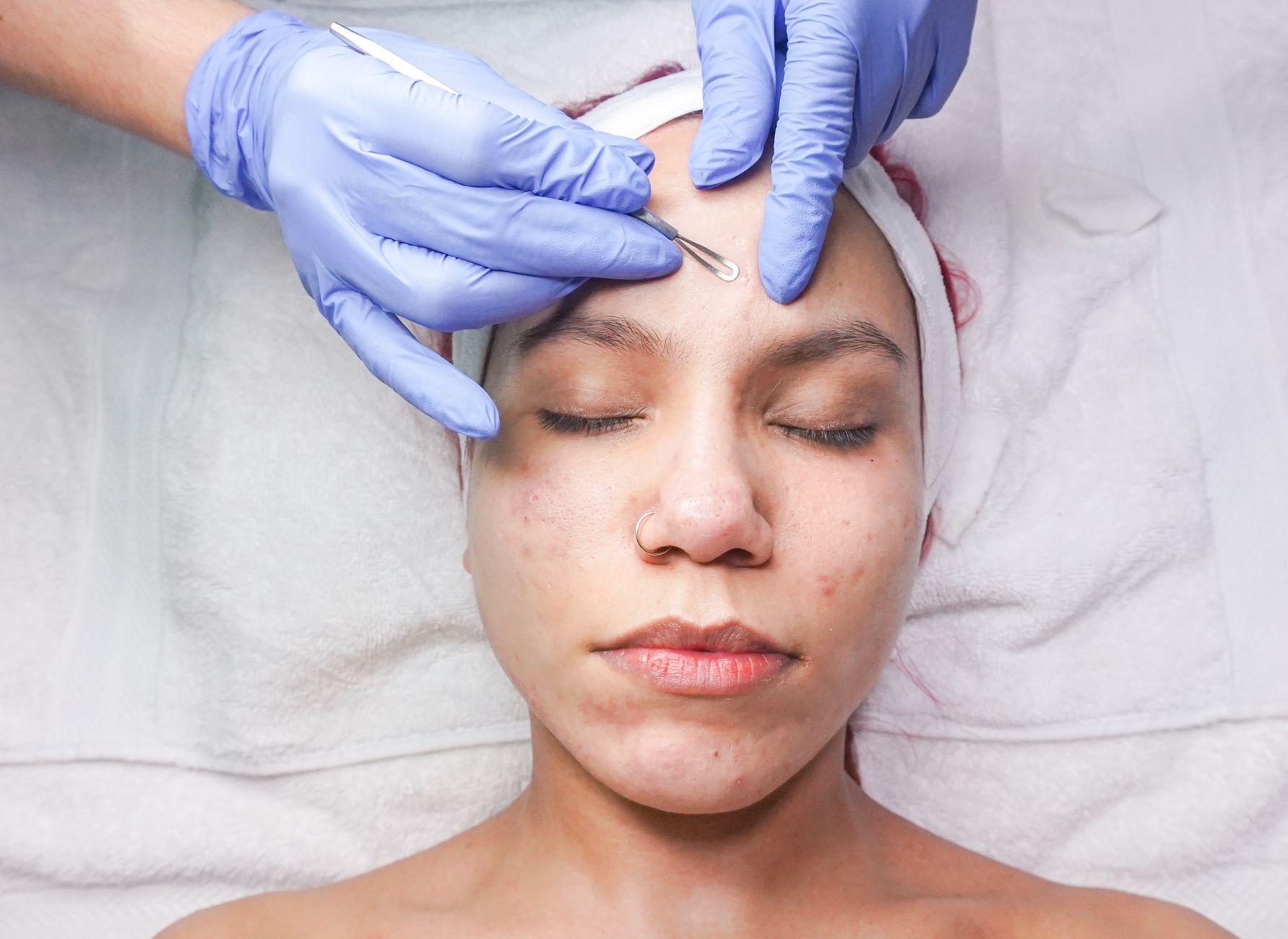
Rebound acne is a flare that appears after stopping a treatment that controlled breakouts. The checklist is simple: track timing and possible triggers, ask about maintenance or bridging therapy, and verify dose history and safety steps.
Isotretinoin rebound is common, not rare. In 19,907 treated patients, 22.5% later needed systemic acne drugs and 8.2% restarted isotretinoin, according to JAMA Dermatology in the PMC analysis. That pattern makes early follow-up worth planning before you stop.
Medical information disclaimer: This article is for general educational purposes only and does not provide medical advice, diagnosis, or treatment. Always consult a physician or other qualified health professional about symptoms, medications, tests, or treatment decisions.
Table of Contents
- Is this rebound or a new trigger?
- What should you track each week?
- What should you ask before stopping isotretinoin?
- What should you ask before stopping antibiotics or birth control?
- What safeguards should you verify?
Is this rebound or a new trigger?
A true rebound follows a stop or switch. Lesions return in the same zones, then spread, within weeks of stopping an effective drug. A new trigger follows a new product, missed doses, or a hormone change. Retinoids and acids often irritate at first, then improve after about 6 weeks, according to AAD advice and Harvard Health.
Hormonal flares often cluster around menses. Note start dates so irritation is not mistaken for failure. Mild flares managed without prescriptions were missed by the large relapse study, according to a Healio summary of JAMA methods. So do not wait for a severe breakout to act. Call early when counts rise for two weeks.
What should you track each week?
Track the same details for at least one full cycle. Record lesion count, location, pain, cycle days, sleep, stress, adherence, and any new topical or cosmetic.
AAD advice and Harvard Health highlight cycle timing, adherence, diet, stress, and hair and cosmetic products as useful context. Bring photos taken in the same light one week apart. Patterns across four to six weeks guide the next treatment choice.
- Cycle day, bleed days, and breakout start day
- Lesion count, location, and type: blackheads, papules, pustules, nodules
- Products used: retinoid, acid, benzoyl peroxide, moisturizer, sunscreen, hair oil, makeup
- Doses taken or missed, plus new prescriptions, supplements, or birth-control changes
What should you ask before stopping isotretinoin?
Ask for your cumulative dose and relapse risk. Female sex raised relapse risk with a hazard ratio of 1.43, while higher cumulative dose lowered risk up to about 220 mg/kg with no added benefit beyond that ceiling, according to the JAMA Dermatology cohort described by News-Medical in the cohort report. Ask whether maintenance topicals should continue after the last pill. Many patients stop everything at clearance, then lose control.
Ask when to return if lesions increase and what rescue plan applies. Ask what counts as a restart signal. A practical rule is rising inflammatory lesions for two consecutive weeks despite maintenance. Early review can prevent a full relapse that needs systemic therapy again.
What should you ask before stopping antibiotics or birth control?
Ask about maintenance topicals and combination rules. The American Academy of Dermatology strongly recommends topical benzoyl peroxide, topical retinoids, antibiotics only in fixed combinations, and maintenance topicals after antibiotics, according to the Academy in the updated guidelines summary. For oral antibiotics, ask about duration and review timing. To limit resistance and rebound, AAD advises re-evaluating systemic antibiotics every 3 to 4 months, using the shortest needed course and adding benzoyl peroxide for long-term use, according to an NIH/PMC review of AAD practice in the practice review.
Do not continue antibiotic monotherapy without a plan. For combined oral contraceptives, ask about bridging therapy before stopping. Estrogen-containing combined pills are effective and recommended for inflammatory acne in females, according to AAD guidelines, so stopping removes hormone and sebum control. Ask what topical or other therapy starts before the last pill pack.
What safeguards should you verify?
Verify pregnancy prevention around isotretinoin. Patients who can become pregnant must use two contraception methods for one month before, during, and one month after isotretinoin, with monthly and post-treatment pregnancy tests in iPLEDGE, according to the FDA Prescriber Guide. Verify product use, storage, and follow-up dates.
Check that benzoyl peroxide pairs correctly with a retinoid, that antibiotics are combination products when prescribed, and that refills cover maintenance. Keep the dermatology follow-up even if skin looks clear. Bring your product list, dose history, and cycle dates to that visit so maintenance, contraception, and rescue decisions use real dates.