
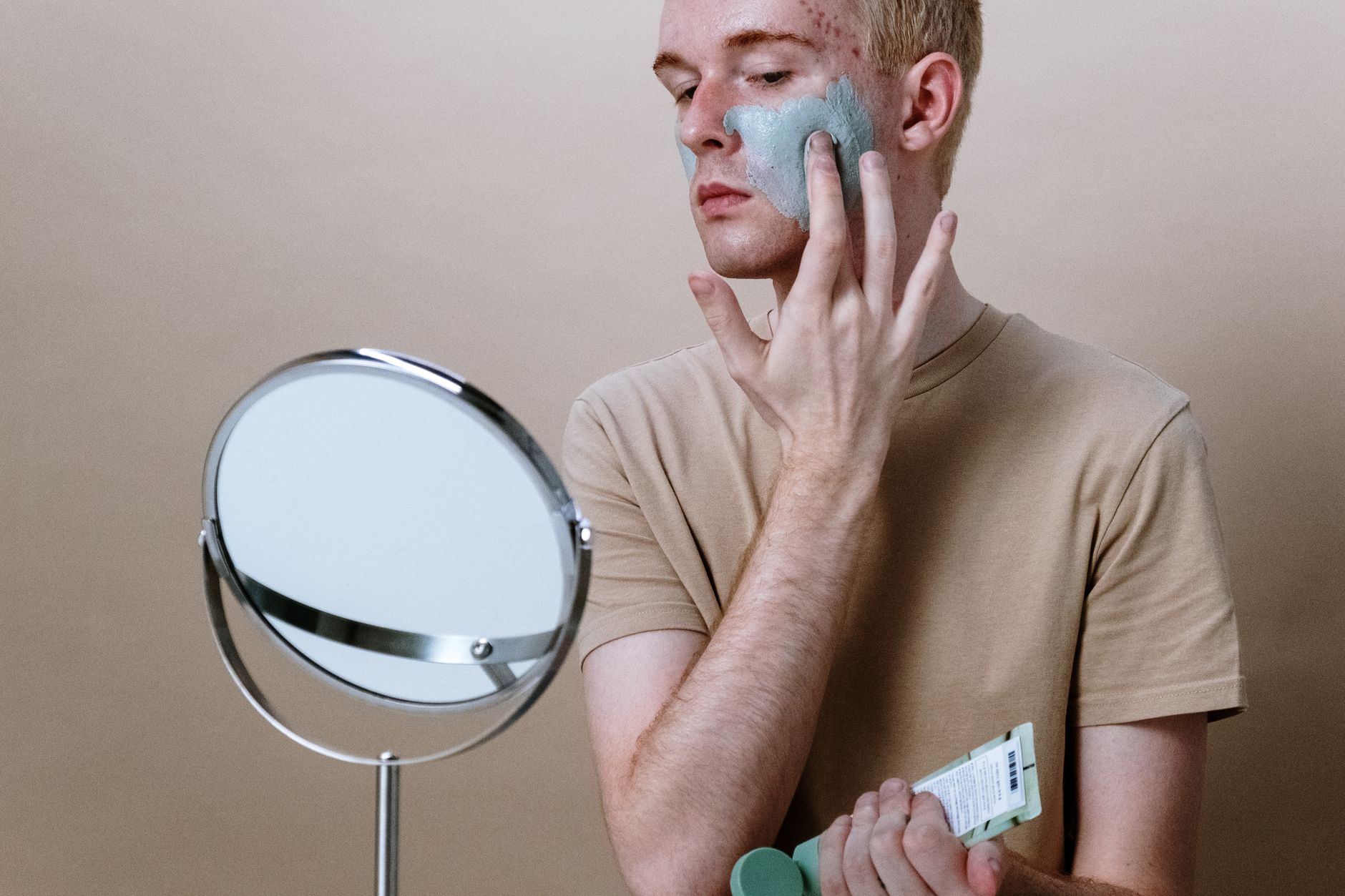
Effective acne care in 2026 centers on benzoyl peroxide, topical retinoids, and antibiotic combinations, with strict safety limits for storage and strong drugs. Complementary ingredients such as tea tree oil and bee venom show only weak, single-trial signs of benefit for lesions. Benzoyl peroxide is a bacteria-fighting treatment that also helps clear clogged pores. Topical retinoids are vitamin A-based gels or creams that unclog pores and reduce inflammation.
Medical information disclaimer: This article is for general educational purposes only and does not provide medical advice, diagnosis, or treatment. Always consult a physician or other qualified health professional about symptoms, medications, tests, or treatment decisions.
Table of Contents
- Which ingredients have the strongest support?
- What can you buy without a prescription?
- How should you store benzoyl peroxide?
- When does isotretinoin enter the picture?
- What are the limits for natural options?
Which ingredients have the strongest support?
The American Academy of Dermatology strongly recommends benzoyl peroxide, topical retinoids, topical and oral antibiotics and fixed-dose combinations, as reported in the AAD guideline summary. A fixed-dose combination means two actives in one product. The same guidelines advise combining different topical types for better results in adolescents and adults.
The American Academy of Dermatology gives only conditional backing to salicylic acid, azelaic acid, topical clascoterone, oral minocycline, sarecycline and combined oral contraceptives. Conditional means weaker or more selective evidence than first-line retinoid-benzoyl peroxide regimens. Ask your clinician where you fall in that range.
- What combination matches my acne type and skin tolerance?
- How many weeks should I use it before review?
- What dryness, peeling, or irritation should prompt a call?
What can you buy without a prescription?
Patient Care Online reports that FDA cleared fixed-dose adapalene 0.1% plus benzoyl peroxide 2.5% gel for over-the-counter use in patients age 12 and older, described in the OTC switch report. Adapalene is a topical retinoid. This pairs a guideline-aligned retinoid with an antimicrobial in one gel.
Over-the-counter access does not remove the need for correct use. Apply a thin layer as directed and protect skin from sun. Stop and seek care for severe burning, swelling, or rash.
How should you store benzoyl peroxide?
The U.S. Food and Drug Administration reported testing of 95 products found more than 90% had undetectable or extremely low benzene, with only a limited number requiring retail-level voluntary recalls, detailed in the FDA benzene findings statement. Heat during storage raises concern.
The FDA warns that benzene is not an added ingredient but can form from benzoyl peroxide breakdown, especially with heat or long storage. The FDA notes benzene is a known human carcinogen that can cause leukemia and blood disorders. Risk comes from degraded product, not normal fresh product used as directed.
- Store at room temperature away from heat and sun
- Avoid hot cars, radiators, and long bathroom-steam exposure
- Check expiry dates and discard discolored or swollen tubes
When does isotretinoin enter the picture?
FDA iPLEDGE materials reserve isotretinoin capsules for patients 12 and older with severe nodular acne unresponsive to other treatments including antibiotics, typically for 4-5 months. Nodular acne means large, deep, painful lumps.
Enrollment in the iPLEDGE safety program is required. FDA iPLEDGE materials warn of very high birth-defect risk during pregnancy plus mental-health, liver and lipid risks. Prescribers, pharmacies and patients with pregnancy potential must complete monthly pregnancy testing and contraception steps.
- Confirm severe nodular disease and prior treatments tried
- Review pregnancy prevention, testing dates, and pharmacy rules
- Report mood change, severe headache, vision change, abdominal pain, or rash promptly
What are the limits for natural options?
The National Center for Complementary and Integrative Health summarizes a 2015 Cochrane review of 35 randomized trials with 3,227 participants, reviewed in the NCCIH evidence digest. It found only single-trial, low-quality evidence that tea tree oil and bee venom may reduce lesions. The review gave no support for other complementary approaches.
Single-trial means one small study, not a proven pattern. Low-quality means design limits reduce confidence. Ask about standard therapy first, then discuss whether any botanical fits safely alongside it. Bring your current products to the visit and ask whether to keep, pause, or replace each one.