
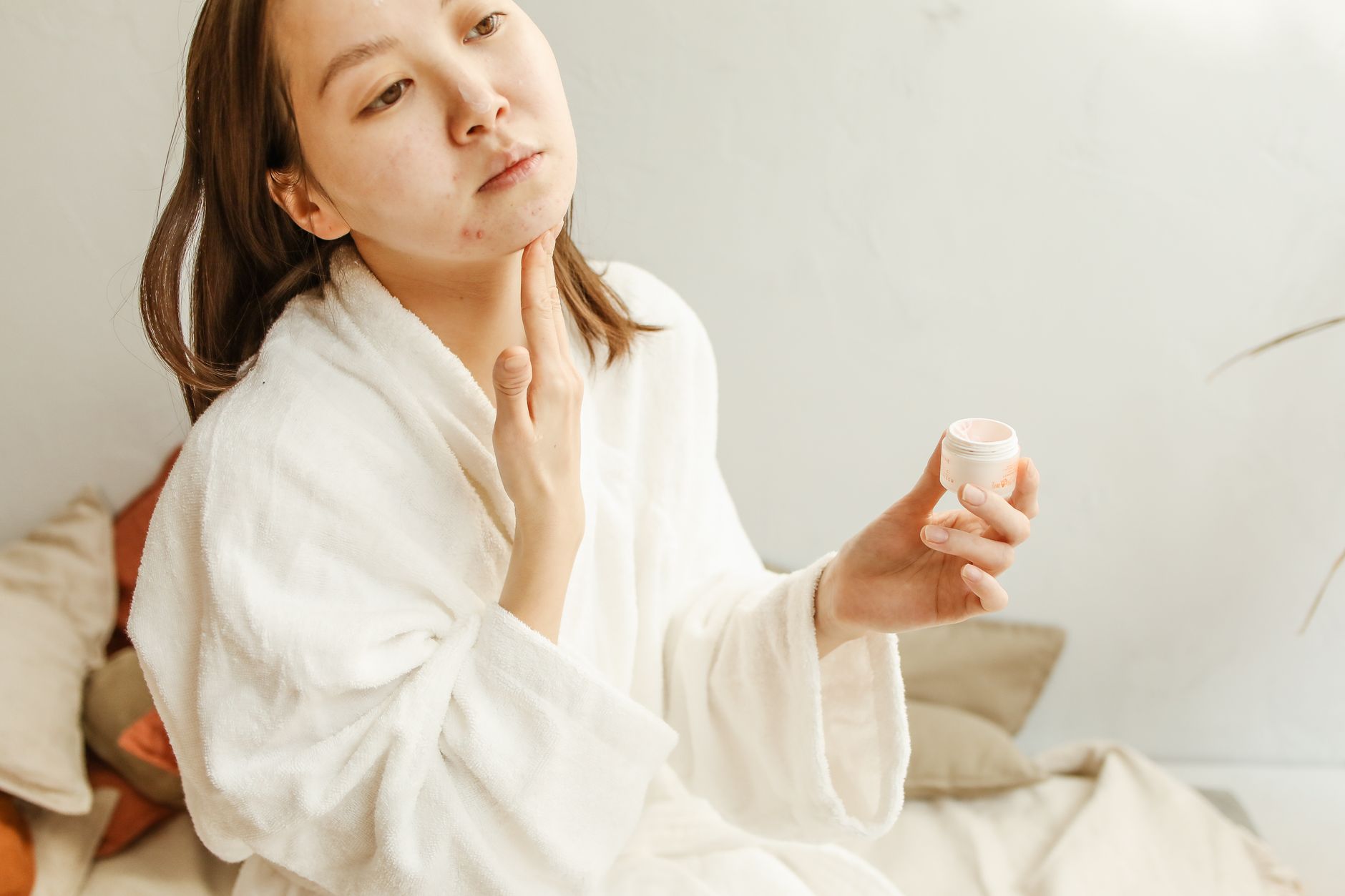
Current evidence supports early prescription care for nodular acne, with isotretinoin reserved for severe or treatment-resistant cases. Nodular acne means deep, firm, painful lumps without a head that can persist for weeks on the face, jaw, chest or back.
The National Institute of Arthritis and Musculoskeletal and Skin Diseases gives that definition in the NIAMS acne diagnosis and treatment page. Nodules sit deeper than common pimples and carry higher scarring risk. Hormone changes at puberty often trigger acne, but nodules can start at any age.
Medical information disclaimer: This article is for general educational purposes only and does not provide medical advice, diagnosis, or treatment. Always consult a physician or other qualified health professional about symptoms, medications, tests, or treatment decisions.
Table of Contents
- Why nodules run deep and scar easily
- Which treatments have the strongest support?
- When is isotretinoin the evidence-based option?
- What should you do and avoid right now?
Why nodules run deep and scar easily
Northwestern Medicine explains that excess sebum, dead skin cells and Cutibacterium acnes bacteria become trapped in hair follicles. That blockage triggers deep dermal inflammation and collagen damage. Collagen damage raises the risk of lasting scars.
Puberty hormones most commonly trigger acne. NHS-linked GP guidance summarized by BestCareCompare notes nodules can begin at any age. Severe disease disproportionately causes permanent scars and psychosocial burden.
Which treatments have the strongest support?
Current U.S. dermatology guidelines give strong recommendations, based on moderate-to-high certainty evidence, for topical benzoyl peroxide, topical retinoids, topical antibiotics in fixed combinations, and oral doxycycline. The American Academy of Dermatology issued those recommendations as described in the Dermatology Times guideline summary.
In practice, that means care is prescription-led and often combined. Topical antibiotics are used in fixed combinations rather than alone. Oral doxycycline is the oral antibiotic with strong guideline support.
When is isotretinoin the evidence-based option?
The American Academy of Dermatology strongly recommends oral isotretinoin for severe acne, acne with scarring or psychosocial burden, or acne failing standard topical and oral therapy. It helps because it reduces sebum, keratinization and inflammation. The FDA limits isotretinoin to patients age 12 and older with severe recalcitrant nodular acne.
That means multiple inflammatory nodules 5 mm or greater that have not responded to antibiotics and other therapies, as defined in the iPLEDGE prescriber guide. An important limitation shapes that use. Isotretinoin can cause severe birth defects and serious mental-health effects, according to the FDA iPLEDGE materials. Prescribers, pharmacies and patients must enroll in iPLEDGE, with pregnancy prevention and monitoring.
What should you do and avoid right now?
Do not pick or squeeze nodules. Seek GP or dermatologist care promptly for painful, persistent or widespread nodules, since early prescription treatment and specialist-led isotretinoin prevent permanent scarring, according to UK NICE guideline NG198 in the NICE acne rationale and impact chapter. Early specialist care offers the best chance to stop a deep nodule from becoming a permanent scar.
- Do not pick or squeeze firm, painful lumps
- Get prompt care for nodules that are painful, persistent, widespread, or scarring
- Ask about prescription combinations, and specialist referral if nodules persist after standard treatment
- If isotretinoin is discussed, expect iPLEDGE enrollment with pregnancy prevention and follow-up monitoring