
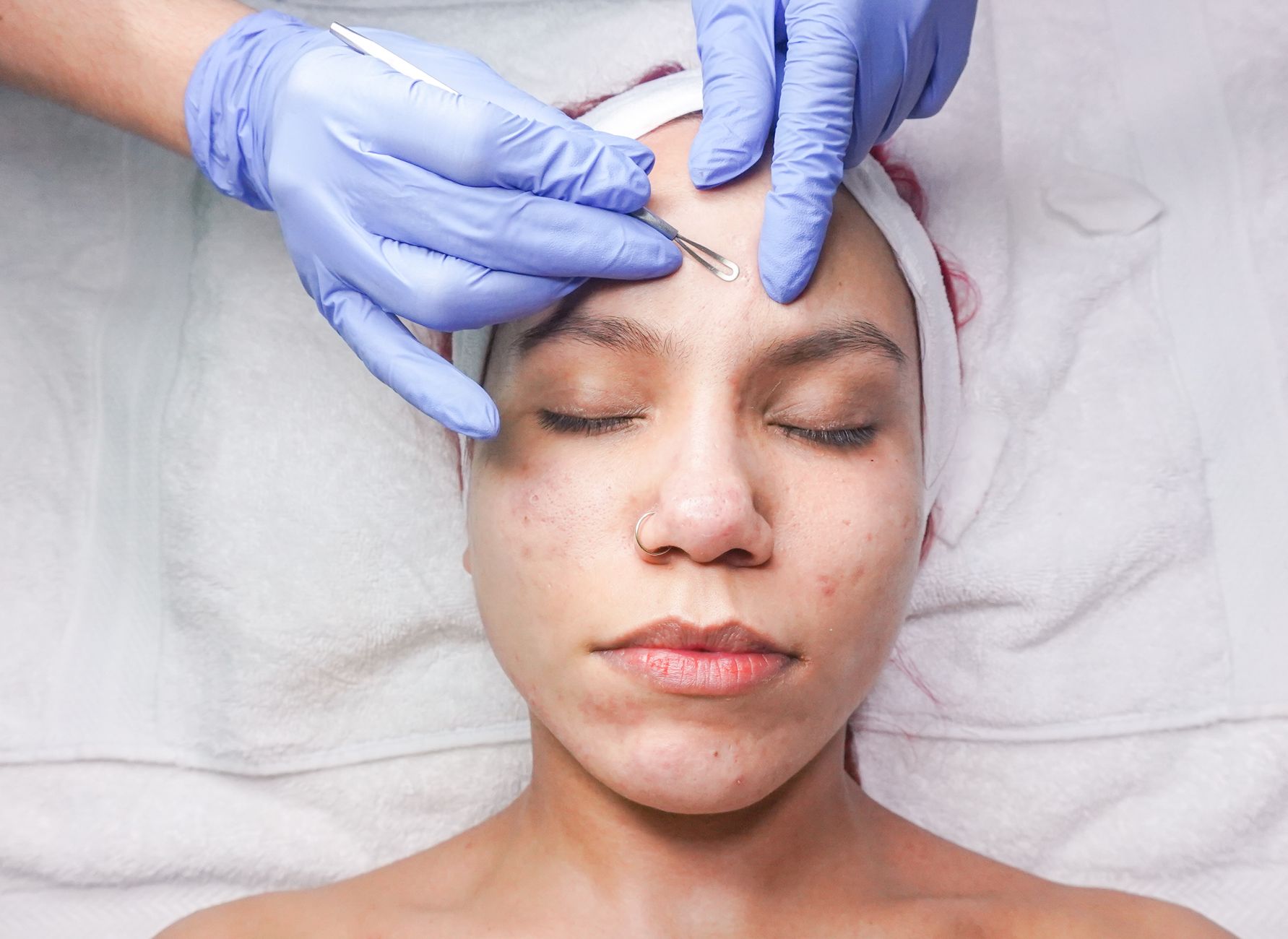
Treatments for acne in 2026 center on proven topical combinations, targeted oral drugs for moderate to severe cases, and a clear 12-week review point. Acne — blocked pores that trigger pimples, blackheads, and deeper painful lumps — most often affects adolescents aged 12-24 and often persists in adult women over 25. According to BMJ Best Practice epidemiology, up to 85% of people aged 12-24 experience some degree of acne (BMJ Best Practice overview). That pattern shapes current care: start with effective topicals, escalate only when needed, and protect progress with maintenance.
Medical information disclaimer: This article is for general educational purposes only and does not provide medical advice, diagnosis, or treatment. Always consult a physician or other qualified health professional about symptoms, medications, tests, or treatment decisions.
Table of Contents
- Who gets acne and why persistence matters
- Which first-line treatments have the strongest support?
- What is new in acne drugs?
- How should antibiotics and isotretinoin be used safely?
- What should you do over the next 12 weeks?
Who gets acne and why persistence matters
Teenagers carry the highest burden because puberty raises oil production and changes pore shedding. Breakouts cluster on the face, chest, back, and shoulders where oil glands are dense. Most teen acne is mild to moderate and responds to consistent topical care. Persistence into adulthood is common, especially in women over 25.
Hormonal shifts, stress, cosmetics, and picking can prolong flares. Adult acne may be more inflammatory along the jawline and chin and more likely to leave marks. Scarring, dark spots, and distress signal a need for faster escalation. Severe, painful nodules warrant prompt medical review rather than months of store-bought trials. Early control lowers the risk of lasting marks.
Which first-line treatments have the strongest support?
The American Academy of Dermatology's 2024 acne guidelines strongly recommend topical benzoyl peroxide, topical retinoids such as adapalene and tretinoin, topical and oral antibiotics, and fixed-dose combinations (AAD guidelines report). Benzoyl peroxide kills acne bacteria and prevents antibiotic resistance. Retinoids unclog pores, reduce new blockages, and improve marks over time. UK NICE guidance NG198 recommends fixed combinations for mild-to-moderate acne, including adapalene with benzoyl peroxide, tretinoin with clindamycin, or benzoyl peroxide with clindamycin.
Fixed combinations simplify routines and improve adherence. A pea-sized amount for the whole affected area usually beats spot-dotting single pimples. Expect dryness, redness, and mild peeling in the first weeks. Use a gentle cleanser, light non-comedogenic moisturizer, and daily sunscreen. If burning, swelling, or blistering occurs, pause treatment and seek advice.
What is new in acne drugs?
Several new prescription options arrived after 2019, including trifarotene, topical minocycline, sarecycline, clascoterone, tretinoin/benzoyl peroxide, and clindamycin/adapalene/benzoyl peroxide. The additions give dermatologists more choices for sensitive skin, resistant acne, and combination therapy. Triple-combination gels reduce the need to layer three separate products. Clascoterone 1% cream, FDA-approved in 2020, is the first topical androgen-receptor inhibitor for acne and later gained approvals in Canada, Australia, and the UK (DermNet drug profile).
It blocks androgen signals in skin that drive oil production and inflammation. As a cream rather than a pill, it targets the treated area with less whole-body hormone effect. New does not mean first for everyone. Many patients still clear well on established retinoid and benzoyl peroxide combinations. Ask whether a newer drug solves a specific problem: irritation, resistance, scarring risk, or poor adherence.
How should antibiotics and isotretinoin be used safely?
Oral antibiotics help moderate to severe inflammatory acne, but courses should be short. Guidance calls for the shortest effective course, ideally no longer than 3-4 months, always paired with benzoyl peroxide or a retinoid and never alone. Pairing improves clearance and limits drug resistance. Oral isotretinoin is strongly recommended for severe recalcitrant nodular acne.
It shrinks oil glands, reduces bacteria, calms inflammation, and prevents new blockages. It is teratogenic, meaning it can cause severe birth defects, so US prescribing requires enrollment in the FDA-mandated iPLEDGE program with pregnancy testing and controlled dispensing. Do not combine extra vitamin A, harsh peels, waxing, or unapproved dose changes while on isotretinoin. Report mood changes, severe headache, vision changes, abdominal pain, or signs of liver injury promptly. Blood tests and follow-up visits track lipids, liver function, and response.
What should you do over the next 12 weeks?
Allow at least 12 weeks on first-line treatment before judging results, then continue, adjust, add maintenance, or seek referral. Skin turnover takes time, and early irritation often fades before clearing begins.
Photos every two to four weeks help judge change objectively. If acne is improving at week 12, continue and discuss maintenance with your clinician. If it is unchanged, worse, scarring, or affecting sleep, school, work, or mood, bring your product list and photos to the appointment.
- Apply topicals consistently to all acne-prone areas, not only visible spots
- Keep the routine simple: cleanser, treatment, moisturizer, morning sunscreen
- Avoid picking, harsh scrubs, heavy oils, and frequent product switching
- Seek GP or dermatology referral for severe, scarring, treatment-resistant, or psychologically distressing acne (NHS dermatology referral guidance)