
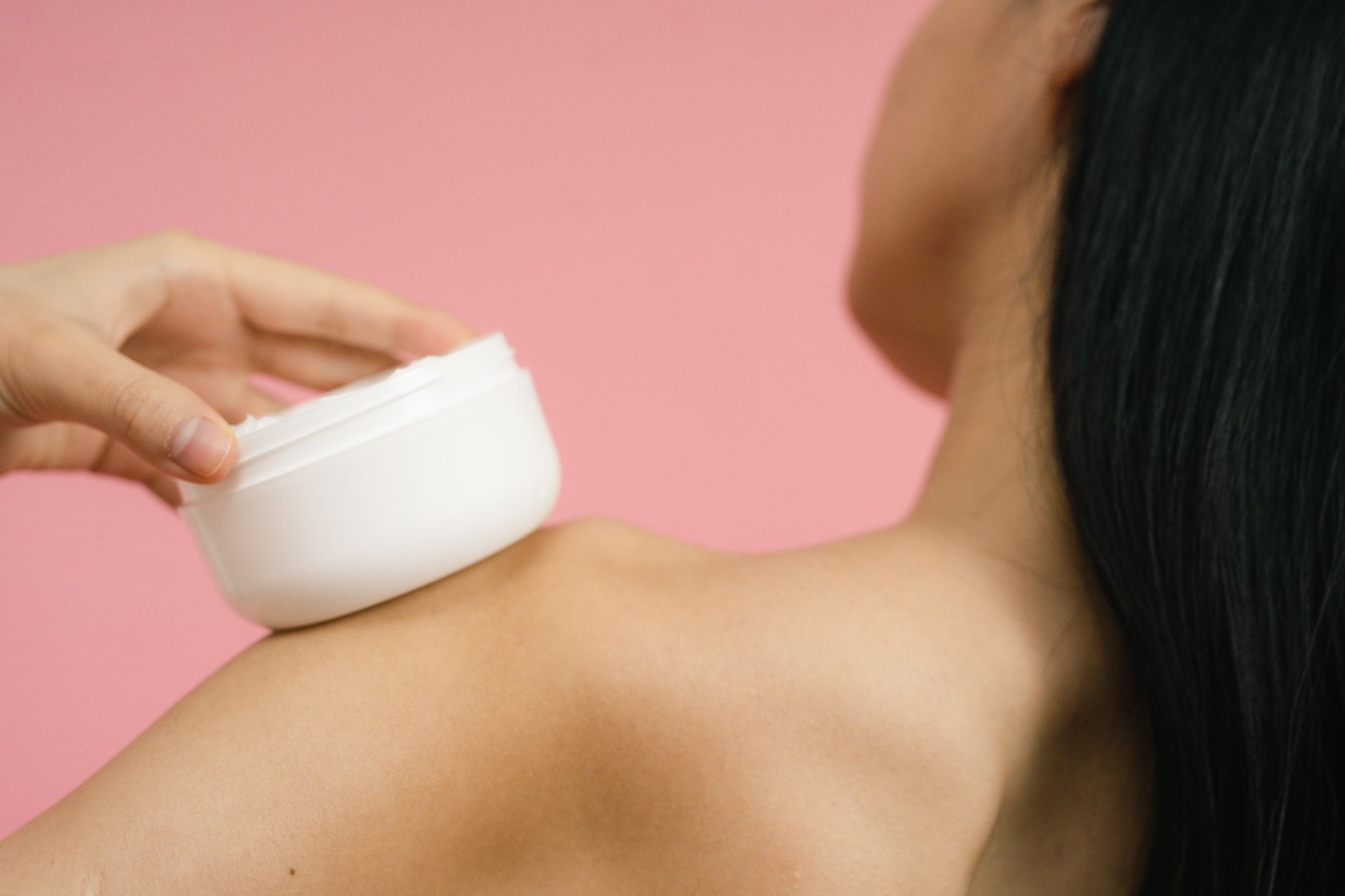
Body acne treatment for the back, chest and shoulders centers on a daily wash-and-treat routine using benzoyl peroxide or salicylic acid plus a leave-on retinoid. Truncal acne means breakouts on the torso, where oil glands are dense and sweat, friction and hair products clog pores. Mild-to-moderate cases often improve with consistent cleansing, short contact time for medicated washes and light, non-comedogenic moisturizing. Severe, painful or scarring breakouts need medical care and may require prescription combinations or oral treatment.
Medical information disclaimer: This article is for general educational purposes only and does not provide medical advice, diagnosis, or treatment. Always consult a physician or other qualified health professional about symptoms, medications, tests, or treatment decisions.
Table of Contents
- Why do back, chest and shoulders break out?
- What daily routine works best?
- How should you use medicated washes?
- When should you add prescription treatment?
- What safety limits apply to benzoyl peroxide?
Why do back, chest and shoulders break out?
Pores on the back and chest clog from excess oil, sweat, dead skin and comedogenic body or hair products. Tight clothing, backpack straps, hormonal shifts and genetics raise risk by trapping heat and oil against skin.
Friction and lingering sweat are common triggers during workouts and hot weather. Showering promptly after exercise and cleansing gently helps limit irritation, according to VeryWell Health in its back acne care guide.
What daily routine works best?
Keep the routine simple enough to repeat: cleanse once daily and after sweating, treat, then moisturize lightly. Use a salicylic acid or benzoyl peroxide body wash for cleansing, followed by a thin leave-on treatment on clear and breaking-out areas.
For mild-to-moderate truncal acne, dermatology guidance lists topicals first, including a topical retinoid with or without benzoyl peroxide, retinoid plus topical antibiotic, azelaic acid and dapsone, as described by Skin Therapy Letter in its truncal acne management guide. Choose oil-free, non-comedogenic lotion rather than heavy butter or oil.
- Cleanse back, chest and shoulders with lukewarm water and fingertips.
- Apply treatment to the full prone area, not only visible spots.
- Wear loose, breathable fabrics and wash sports bras, shirts and sheets often.
How should you use medicated washes?
Contact time matters more than scrubbing force. Studies cited by the American Academy of Dermatology show better results when benzoyl peroxide wash stays on the back for two to five minutes before rinsing, according to Skincare.com in its body acne treatment article. Apply the wash in the shower, wait, then rinse fully so residue does not bleach towels or irritate skin.
Do not use a stiff brush, loofah or harsh exfoliating scrub on inflamed bumps. Start benzoyl peroxide a few times weekly if skin stings, then increase as tolerated. Stop picking or squeezing, which raises marks and infection risk.
When should you add prescription treatment?
See a dermatologist for widespread bumps, deep or painful nodules, scarring, dark marks that persist, or no change after eight to twelve weeks of steady care. The doctor may add a prescription retinoid, topical antibiotic combination, azelaic acid or dapsone for the trunk. The American Academy of Dermatology's 2024 acne guidelines strongly recommend topical benzoyl peroxide, retinoids, antibiotic combinations and oral isotretinoin for severe acne, with conditional support for salicylic acid to unclog pores, as reported by the Academy via Newswise in its updated acne management guidelines.
Oral isotretinoin is reserved for severe disease under close medical supervision. Bring a list of washes, leave-ons, supplements and hair products to the visit. Ask where to apply each product, how long to continue, and what side effects require a call.
What safety limits apply to benzoyl peroxide?
The FDA states drug products should not contain benzene because of unacceptable toxicity, and manufacturers should not release any batch above 2 parts per million. Heat can increase benzene formation in benzoyl peroxide products during storage.
A Journal of Investigative Dermatology analysis reported by MDedge found 38 of 111 benzoyl peroxide products tested exceeded that 2-ppm limit, with higher risk at high temperature. Store products in a cool, dry place, discard discolored or foul-smelling product, and ask a pharmacist or dermatologist about non-benzoyl peroxide options if concerned.