
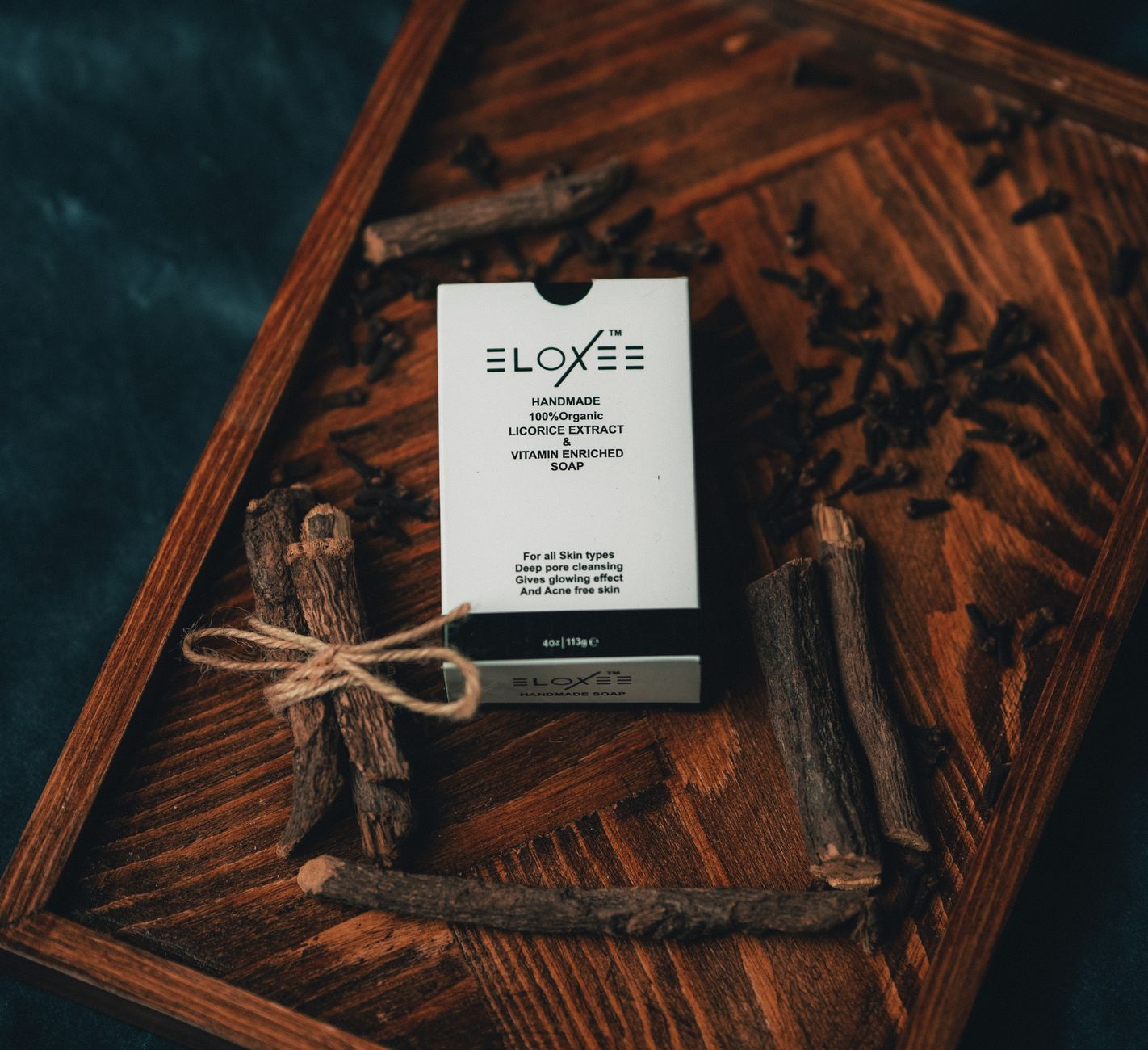
The 2026 herbal acne findings show early improvement in mild-to-moderate acne but do not prove the herbal product caused it. Teens with inflammatory acne should keep proven combination care and not switch to an unproven herbal product.
Inflammatory acne means red, tender papules and pus-filled spots. Closed comedones are clogged pores that stay under the skin. This article explains the new trial, the wider herbal record, guideline-based care, and safety steps.
Medical information disclaimer: This article is for general educational purposes only and does not provide medical advice, diagnosis, or treatment. Always consult a physician or other qualified health professional about symptoms, medications, tests, or treatment decisions.
Table of Contents
- What the 2026 topical trial found
- Why wider herbal evidence stays weak
- What guidelines advise for teen inflammatory acne
- How to handle herbal products safely
What the 2026 topical trial found
A 2026 open-label, single-arm pilot study tested a topical herbal balance solution for four weeks in mild-to-moderate acne vulgaris, as reported by the Journal of Cosmetic Dermatology in the pilot report in the Journal of Cosmetic Dermatology. Acne vulgaris is the medical term for common acne. The study reported lower acne grades and fewer closed comedones and inflammatory papules.
That pilot had no control arm, randomization, or blinding and only short follow-up. That design can show preliminary improvement only. It cannot show that the herbal solution caused the change.
Why wider herbal evidence stays weak
A Cochrane review found only low-quality evidence from single trials that certain complementary products may reduce total lesions, in the Cochrane review of complementary acne therapies. The same review found insufficient evidence to support herbal medicine generally. It cited poor methods and potential adverse effects.
A 2022 systematic review in Evidence-Based Complementary and Alternative Medicine found fewer inflammatory and noninflammatory lesions with no severe adverse events reported. It still called for higher-quality, standardized trials before efficacy and safety claims can stand. A 2026 Dermatology Times clinical review found many social-media botanicals had only laboratory antibacterial or anti-inflammatory activity without randomized acne-patient trials, while fenugreek showed no meaningful clinical benefit.
What guidelines advise for teen inflammatory acne
For teens and adults with acne, 2024 American Academy of Dermatology guidance strongly recommends topical benzoyl peroxide, topical retinoids, antibiotics and fixed combinations, plus oral isotretinoin for severe disease, according to the American Academy of Dermatology guidance summary. Herbal products are not recommended treatments. Fixed combinations join two proven actives in one product to target clogging, bacteria, and inflammation together.
For moderate-to-severe or treatment-resistant inflammatory acne, the Academy advises combining therapies rather than relying on one product. It advises against systemic-antibiotic monotherapy because bacteria can develop resistance. It advises using benzoyl peroxide with antibiotics to lower that resistance risk.
How to handle herbal products safely
Herbal safety oversight is limited for supplements. The FDA states on the FDA consumer page on dietary supplements that it is not authorized to approve dietary supplements for safety and effectiveness before marketing.
Firms may often market them without even notifying FDA. Do not substitute an unproven oral or concentrated herbal product for proven combination care. Review any herbal use with a dermatologist because concentrated extracts carry rare liver-injury risk, according to the NIH LiverTox summary.
- Keep prescribed combination treatment in place while asking about options
- Tell the dermatologist about any oral or concentrated herbal product
- Bring the exact product name and full ingredient list to the visit
You Might Also Like
- Herbal Acne Trial Safety and Evidence Limits in 2026: What Researchers Still Need to Learn for Adults With Persistent Acne
- Pretreatment Pregnancy Testing Under iPLEDGE in 2026: A Verification Checklist for Parents of Teens With Severe Acne
- Planned Home Pregnancy Testing Under the 2026 iPLEDGE Changes: A Verification Checklist for Parents of Teens With Severe Acne