
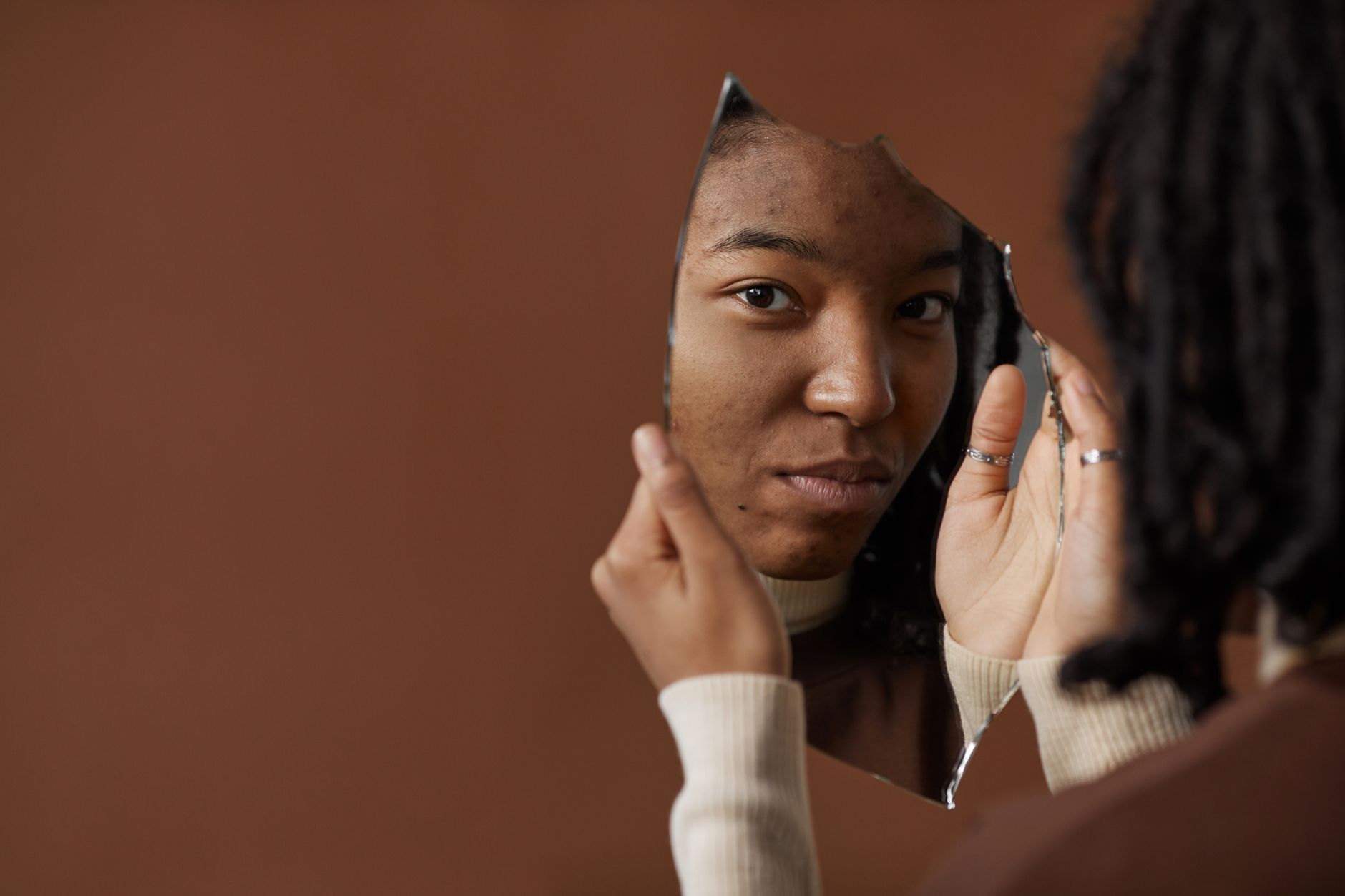
Diet affects acne severity for many teens and adult women, but food alone neither causes nor cures it. Lower-glycemic eating has the strongest support, and a 12-week food trial alongside proven treatment is the sensible next step. Acne means clogged pores, oil buildup, and inflamed spots. Glycemic load means how much and how fast a food raises blood sugar.
Medical information disclaimer: This article is for general educational purposes only and does not provide medical advice, diagnosis, or treatment. Always consult a physician or other qualified health professional about symptoms, medications, tests, or treatment decisions.
Table of Contents
- Who feels food effects most?
- How can food drive breakouts?
- Which eating patterns show benefit?
- Why do guidelines stay cautious?
- What should you try next?
Who feels food effects most?
BMJ Best Practice reports acne affects up to 85% of adolescents aged 12-24 on its epidemiology page. Breakouts often persist past the teen years, especially in women older than 25.
Diet clues matter most when flares are frequent or stubborn. Track breakouts, sleep, stress, and meals for a few weeks. Patterns help you and your clinician test one change at a time.
How can food drive breakouts?
A 2020 NIH/PMC review explains that high-glycemic meals raise blood glucose and insulin. High insulin lifts IGF-1, androgens, and mTORC1 signaling. IGF-1 is a growth signal, androgens raise skin oil, and mTORC1 works like a cell-growth switch.
Those signals boost sebum, the oil that clogs pores. They speed keratinocyte growth, meaning extra skin cells line the pore. Oil plus trapped cells fuels clogging and inflammation.
Which eating patterns show benefit?
In a 12-week trial of 43 males aged 15-25, low-glycemic eating cut total lesions by 51% versus 31% for high-carbohydrate eating. Smith and colleagues reported the result in an International Journal of Dermatology review, with larger drops in inflammatory lesions too. Small observational and small interventional studies link Mediterranean-style meals with fewer inflammatory spots and better texture, Dermatology Times reported in 2025.
On the plate that means vegetables, whole grains, fish, olive oil, and nuts. Frequent dairy, especially skim milk and whey protein, shows a weak link to more acne. The likely path involves IGF-1 and hormones, but AAD guidance summarized by Dermatology Times calls the evidence limited and mixed.
Why do guidelines stay cautious?
A 2025 systematic review and meta-analysis found no significant pooled link for glycemic load, dairy, or fatty acids and acne risk. The Medicinae Doctors/UPH Medical Journal analysis rated certainty as moderate for glycemic load and dairy and low for fats.
The 2024 American Academy of Dermatology guidelines make no specific diet recommendation. A Medscape report on the 2024 AAD guidelines notes three small trials favored low-glycemic diets. One larger trial found no benefit.
What should you try next?
Western Maryland Dermatology, summarizing AAD advice, suggests a 12-week test of lower-glycemic whole foods in its practical acne and diet summary. Keep proven treatment and dermatologist follow-up during the test, because diet alone is not enough.
Bring your meal and breakout notes to your next dermatology visit. Ask if your current prescription needs to stay, change, or step down. Stop any strict cut that causes weight loss, fatigue, or added stress and ask your clinician for help.
- Cut sugary drinks and sweets for 12 weeks
- Build meals around vegetables, whole grains, fish, olive oil, and nuts
- Pause one likely dairy trigger at a time, such as skim milk or whey shakes
- Keep prescriptions, gentle cleansing, and scheduled follow-up visits