
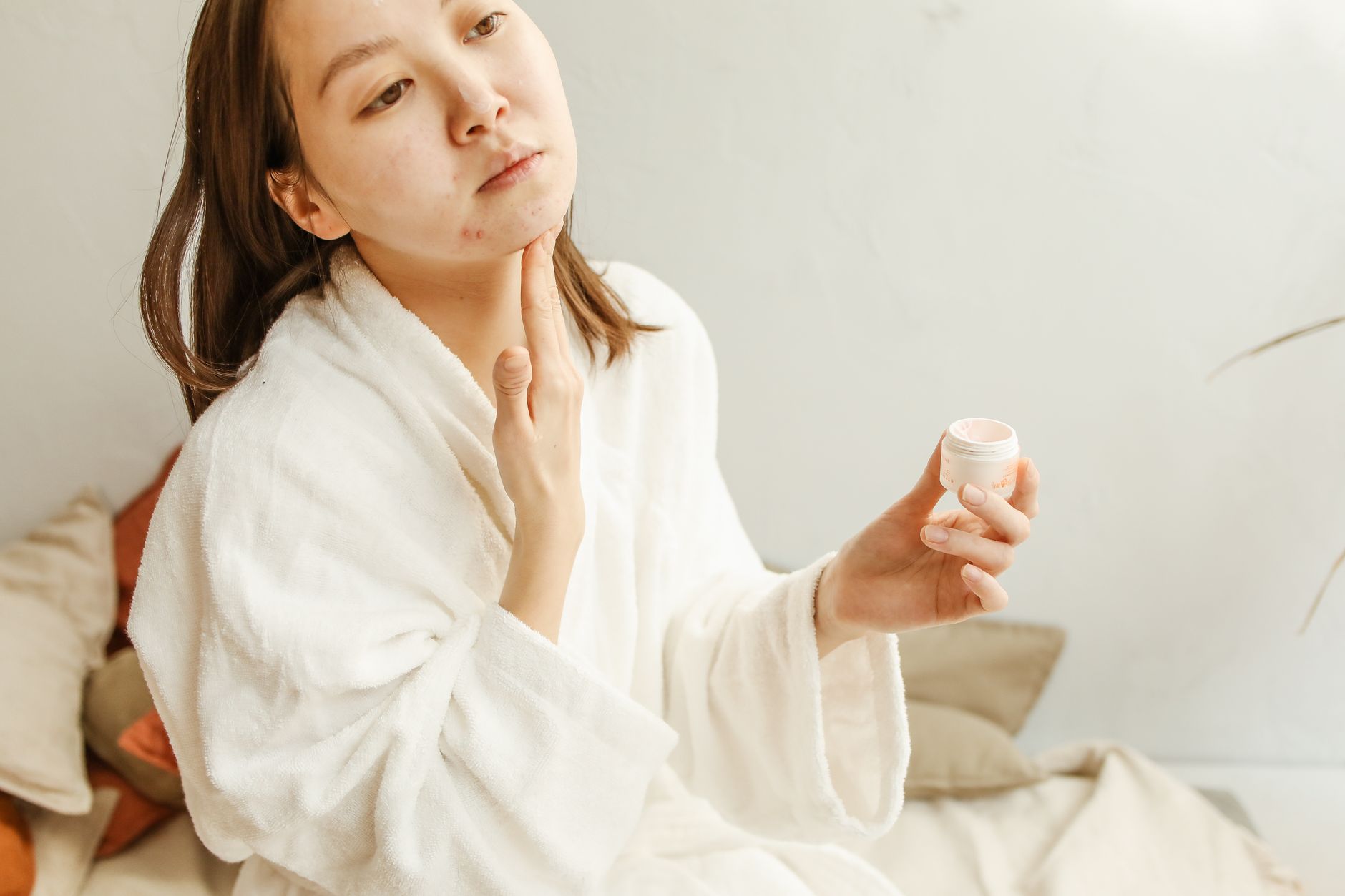
You avoid making it worse by refusing to engage with shaming posts and supporting the person privately. Skin shaming means mocking visible acne, texture, or scars, and your clicks decide whether it spreads. Acne is normal, not rare or unclean. Edited red-carpet photos hide that fact, while candid posts show real texture.
Medical information disclaimer: This article is for general educational purposes only and does not provide medical advice, diagnosis, or treatment. Always consult a physician or other qualified health professional about symptoms, medications, tests, or treatment decisions.
Table of Contents
- Why does normal skin look abnormal online?
- What does shaming do to health?
- What should you do when you see a shaming post?
- How can you support clearer skin without shame?
Why does normal skin look abnormal online?
About 85% of adolescents get acne, and it often persists or starts in adulthood, especially in women. The American Academy of Dermatology describes this pattern in its updated acne guidelines.
Red-carpet images are routinely edited to remove pores, redness, and bumps. Lorde, Millie Bobby Brown, Keke Palmer, and Lili Reinhart have posted unretouched acne photos or treatment updates. BuzzFeed reporting places those photos in context in its roundup of candid celebrity posts.
What does shaming do to health?
Most children and teens with chronic skin disease report feeling stigmatized by peers and sometimes bullied. Northwestern Medicine researchers link that experience to depression, anxiety, and impaired peer relationships in their university news summary of the JAMA Dermatology study. A University of Limerick survey of 271 acne sufferers found stronger perceived stigma predicted more distress, poor sleep, headaches, and stomach symptoms.
Females reported worse quality-of-life impact. A Wake Forest Baptist review found many teens call acne cosmetic, while others report major self-esteem loss, anxiety, depression, and suicidal thoughts. Those stigma studies rely largely on cross-sectional self-reports. The PLOS ONE study design shows strong association between perceived stigma and distress, but it cannot prove comments alone caused clinical depression.
What should you do when you see a shaming post?
Do not feed the post with attention. StopBullying.gov advises witnesses against sharing, liking, zooming, or commenting, in its guidance for bystanders.
Private support reduces isolation without giving the post more reach. Reporting helps platforms remove harassment faster than arguing below it.
- Do not share, repost, or screenshot the photo.
- Do not like, laugh at, or debate in the comments.
- Support the target privately with a short kind message.
- Report the post and tell a trusted adult when needed.
How can you support clearer skin without shame?
Focus on skin-friendly habits, not blame. Dermatologists advise acne-friendly skin care plus treatment matched to each blemish type. They warn against picking and harsh scrubbing, which injure skin and spread inflammation.
Compare products by blemish type, not by before-and-after photos. Blackheads, whiteheads, papules, and cysts respond to different treatments. If breakouts persist despite gentle care, ask a dermatologist about prescription options matched to your blemish type.