
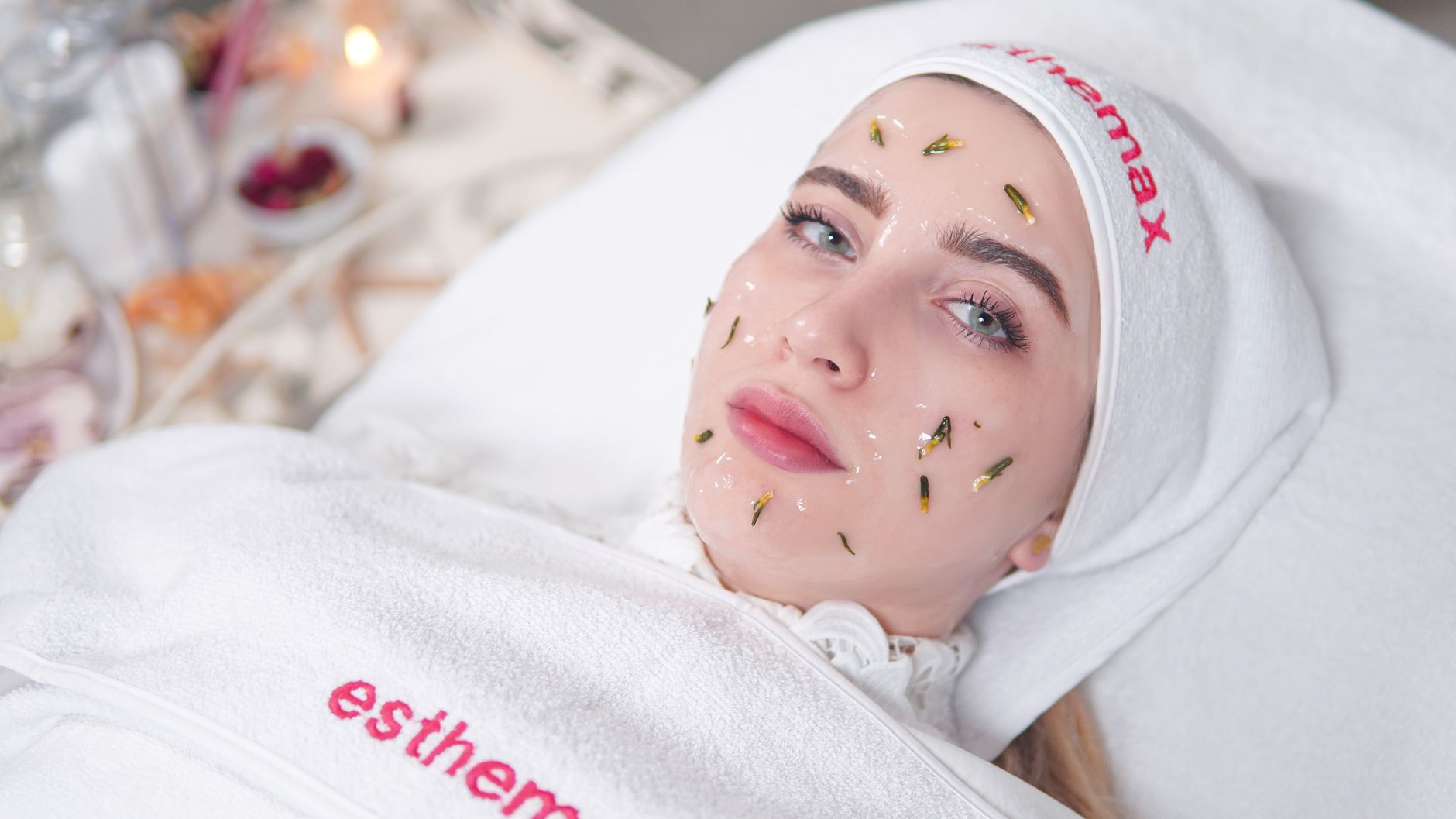
An acne facial — a spa-style session of cleansing, steam, extraction and masks — does not clear acne by itself. Current evidence supports daily medical treatments such as benzoyl peroxide, retinoids and antibiotics, not routine facials. Facials can feel cleansing and may remove surface oil and plugs for a short time. They do not prevent new comedones and inflamed lesions from forming.
Medical information disclaimer: This article is for general educational purposes only and does not provide medical advice, diagnosis, or treatment. Always consult a physician or other qualified health professional about symptoms, medications, tests, or treatment decisions.
Table of Contents
- What guidelines recommend instead
- Do peels, light and laser add benefit?
- What are the risks of extractions and strong peels?
- How should you time a facial with medical treatment?
What guidelines recommend instead
The American Academy of Dermatology gives strong recommendations for topical benzoyl peroxide, retinoids, topical antibiotics in combination, oral doxycycline and oral isotretinoin for severe acne, as described in Medscape's summary of the 2024 guidelines. Routine facials are not among those recommended treatments.
InformedHealth.org notes the main proven options are benzoyl peroxide, antibiotics and retinoids, with choice depending on severity, lesion type and prior response, according to the InformedHealth acne treatment review. Those treatments affect adolescents and adults with comedonal and inflammatory acne.
Do peels, light and laser add benefit?
A systematic review of 12 randomized trials with 387 participants found chemical peels improved mild-to-moderate acne overall. No peel type proved superior, and the trials were small and varied in methods and results.
Reviews of light and laser treatments, including 71 randomized trials, found no high-certainty benefit over placebo, no treatment or standard topicals. The studies were small, varied and at high risk of bias.
What are the risks of extractions and strong peels?
Squeezing, picking or rubbing pimples and blackheads can push material deeper, cause infection and leave permanent scars. University of Michigan Health advises against manual popping outside controlled clinical extraction, as explained in its acne self-care guide.
At-home high-acid peels marketed for acne, discoloration and wrinkles carry a separate risk. The Food and Drug Administration has never approved any chemical peel and warned these products can cause chemical burns.
How should you time a facial with medical treatment?
Topical acne drugs generally need an 8- to 12-week trial before judging benefit. Treatment must continue after clearing to prevent new lesions, so a one-time facial cannot replace steady prevention. If you like facials, use them as comfort or cosmetic care alongside proven treatment:.
- Keep the prescribed retinoid, benzoyl peroxide or antibiotic routine going.
- Skip picking, harsh scrubs and high-acid home peels.
- Tell the provider about active breakouts, retinoid use and prior scarring.
- Stop any facial step that burns, crusts or leaves dark marks, and seek care for spreading pain, swelling or blistering.