
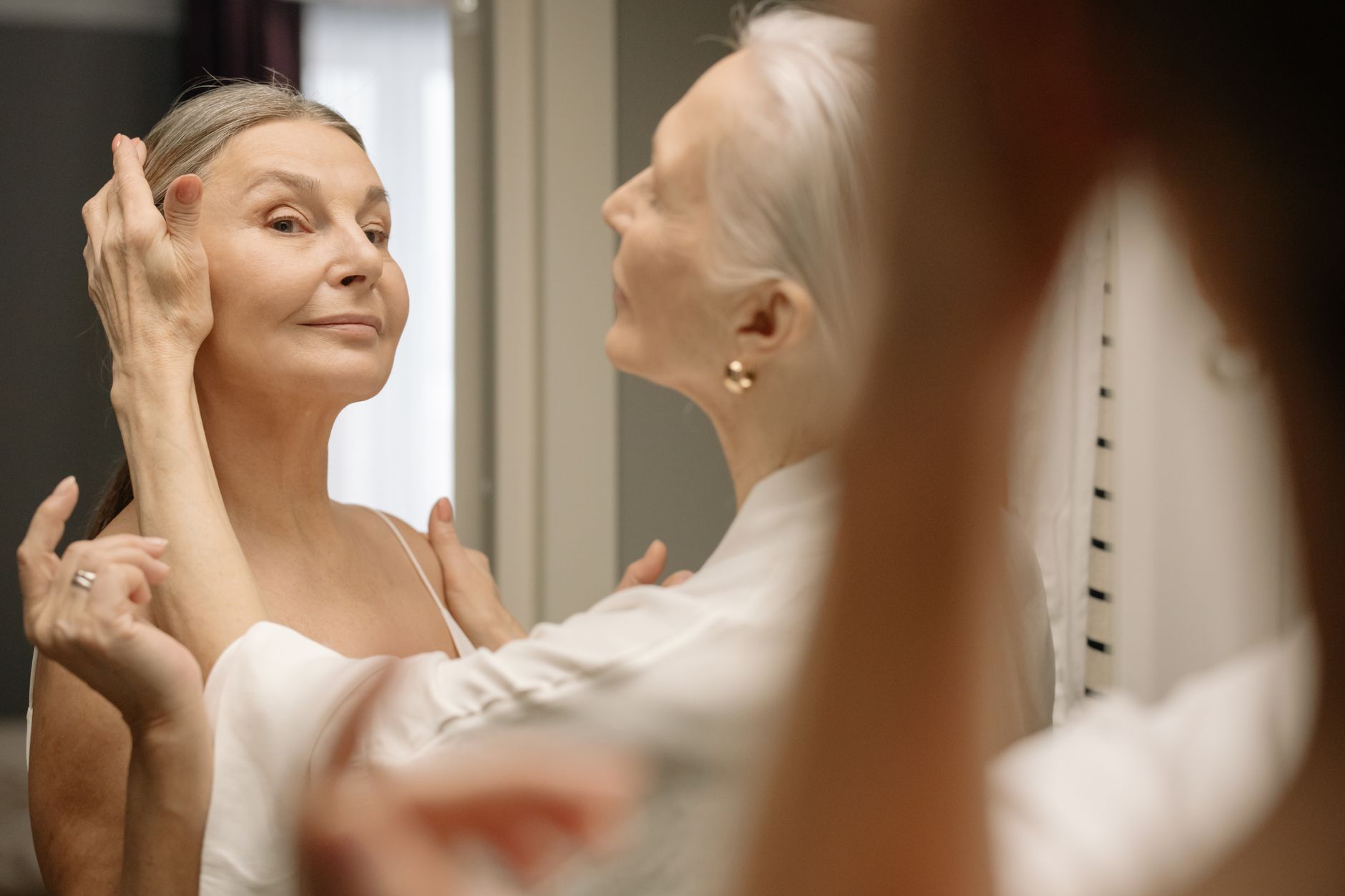
Prevention and Acne 2026 Guide means knowing which habits and treatments reduce breakouts, and where safety and evidence limits change the choice. Acne vulgaris is clogged pores plus inflammation that form blackheads, pimples, and deeper painful lumps. Prevention lowers new lesions but cannot guarantee clear skin. Treatment works best when matched to severity, used consistently, and checked for pregnancy risk, resistance, and weak evidence.
Medical information disclaimer: This article is for general educational purposes only and does not provide medical advice, diagnosis, or treatment. Always consult a physician or other qualified health professional about symptoms, medications, tests, or treatment decisions.
Table of Contents
- What daily habits help prevent breakouts?
- Which treatments have the strongest support?
- How do you use antibiotics and benzoyl peroxide safely?
- What are the pregnancy and procedure limits?
- What should you eat, and what should you ask?
What daily habits help prevent breakouts?
Wash gently twice daily and after heavy sweat. Use fingertips and lukewarm water, then pat dry. Harsh scrubbing irritates skin and can worsen redness. Choose a non-comedogenic oil-free moisturizer and broad-spectrum SPF 30+ sunscreen.
Non-comedogenic means designed not to clog pores. Daily sunscreen also limits dark marks after healing. Do not pick, pop, or scrub spots. Dermatologists warn that manipulation increases inflammation and raises scarring risk. Keep nails, phones, and tight headgear off active areas.
Which treatments have the strongest support?
The American Academy of Dermatology strongly recommends topical benzoyl peroxide, topical retinoids, topical antibiotics and fixed combinations, plus oral doxycycline in its 2024 acne guidelines. The Academy names those options as first-line choices for most acne vulgaris. Isotretinoin is reserved for severe or refractory disease. Retinoids include adapalene, tretinoin, and tazarotene.
They unclog pores, reduce inflammation, and improve texture over weeks. Expect dryness and peeling early, so start as directed and moisturize. Oral doxycycline treats moderate to severe inflammatory acne. It is not for indefinite use alone. Severe, scarring, or treatment-resistant acne may need referral for isotretinoin.
How do you use antibiotics and benzoyl peroxide safely?
Antibiotic stewardship matters because acne bacteria can become resistant. Avoid topical or oral antibiotic monotherapy. Always pair antibiotics with benzoyl peroxide to limit resistance. Reassess oral antibiotics at 3-4 months and use the shortest effective course.
Tell your prescriber if improvement stalls, side effects appear, or refills continue without review. Fixed combinations can simplify correct pairing. Benzoyl peroxide concerns about benzene drew FDA testing of 95 products. The FDA found more than 90% had undetectable or extremely low benzene, recalled only 6 products at retail, and stated cancer risk remains very low even with decades of daily use, according to the FDA alert summary. Store products as labeled and discard discolored or expired tubes.
What are the pregnancy and procedure limits?
Topical tretinoin and adapalene carry FDA Pregnancy Category C and tazarotene Category X. The European Medicines Agency concludes systemic absorption after topical use is negligible but still contraindicates topical retinoids in pregnancy as a precaution, described in its retinoid pregnancy measures. Tell your prescriber if you are pregnant, planning pregnancy, or breastfeeding. Oral isotretinoin is available only through the iPLEDGE REMS.
The program requires prescriber and pharmacy certification, patient enrollment, pregnancy testing, two forms of contraception, and no sharing or blood donation. The FDA later removed the 19-day lockout after a missed 7-day window. Procedures lack routine support. The Academy evidence review found insufficient evidence to recommend chemical peels, laser and light devices, and microneedling for routine acne, as summarized by LiVDerm. Ask for expected benefit, total cost, risks, and drug alternatives before paying out of pocket.
What should you eat, and what should you ask?
Diet evidence is mixed. A JAAD International review linked high glycemic index and higher daily glycemic load to acne onset and severity in randomized trials. Dairy findings varied by sex, ethnicity, and diet, and a later meta-analysis found no significant pooled association.
Food is not a proven prevention plan. Focus on consistent skin care and prescribed treatment first. If you test diet changes, change one factor at a time and track breakouts for 8-12 weeks.
- What type and severity is my acne, and what is the goal in 3 months?
- Do I need benzoyl peroxide with an antibiotic, and when do we stop?
- Am I a candidate for a retinoid, and what pregnancy precautions apply?
- For procedures: what is the evidence, cost, recovery, and alternative?