
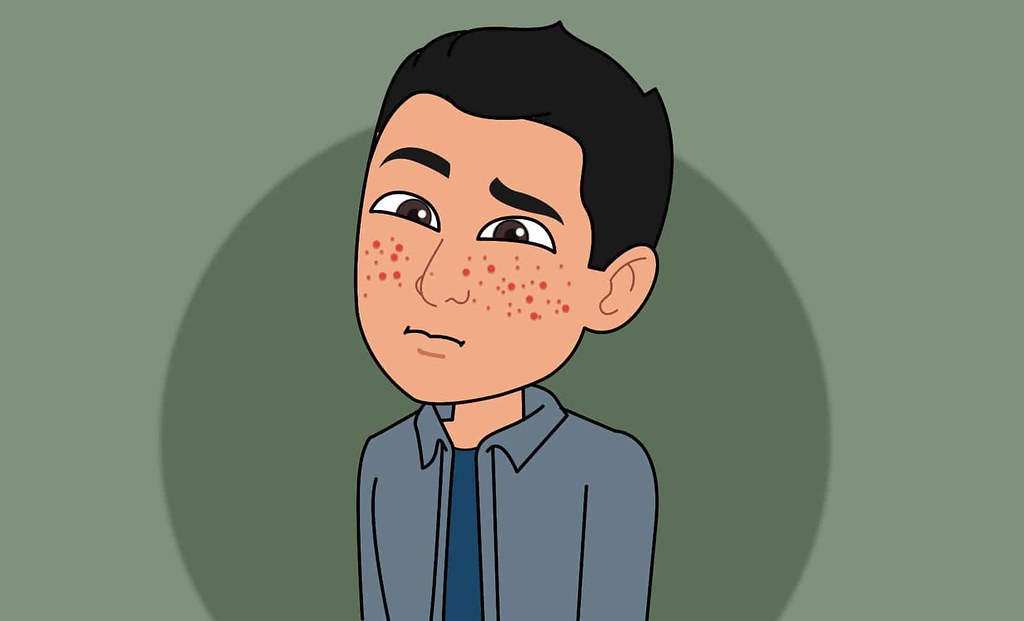
Acne forms when excess oil and dead skin block pores and allow bacteria to grow. Safe care in 2026 means using proven combinations, avoiding harsh habits, and asking clear questions about severity and follow-up. Acne is a common skin condition that causes pimples, blackheads, and tender lumps. It can persist into adulthood and leave scars or dark spots, so early treatment and sun protection matter.
Medical information disclaimer: This article is for general educational purposes only and does not provide medical advice, diagnosis, or treatment. Always consult a physician or other qualified health professional about symptoms, medications, tests, or treatment decisions.
Table of Contents
- What causes acne and raises risk?
- How common is acne and why treat early?
- Which treatments have strong support?
- What safety limits apply to antibiotics and isotretinoin?
- What should you ask at your visit?
What causes acne and raises risk?
The National Institute of Arthritis and Musculoskeletal and Skin Diseases explains that excess sebum and trapped dead skin create the blockage behind acne in NIAMS acne guidance. Androgen increases, pregnancy shifts, family history, and some drugs raise risk.
Greasy foods or chocolate do not cause acne overnight. Dairy and high-glycemic foods may aggravate breakouts for some people, but they are not a root cause.
How common is acne and why treat early?
Acne affects about 50 million Americans each year, with nearly 85% of people ages 12-24 affected. Adult breakouts are also common.
Early care lowers inflammation and reduces scarring and lasting dark spots. Picking, popping, squeezing, scrubbing, abrasive cleansers, alcohol products, and tanning worsen inflammation and raise those risks.
Which treatments have strong support?
The American Academy of Dermatology gives strong recommendations only to topical benzoyl peroxide, retinoids, topical or oral antibiotics in combinations, and oral isotretinoin for severe disease, according to the Academy guideline announcement. Other options have weaker or mixed evidence.
That means most effective plans pair medications rather than relying on one product. Your clinician matches the combination to acne type, severity, skin tone, and tolerance.
What safety limits apply to antibiotics and isotretinoin?
Oral antibiotics should be used for the shortest time possible and always with benzoyl peroxide or a retinoid, never alone, to limit bacterial resistance and treatment failure, as described by Global Alliance guidance. Do not extend or repeat courses without review.
Isotretinoin is reserved for severe recalcitrant nodular acne that has not responded to other therapy because it can cause severe birth defects. The Food and Drug Administration requires prescriber and patient enrollment in the iPLEDGE pregnancy-prevention program, detailed in the FDA iPLEDGE fact sheet.
What should you ask at your visit?
Bring your current cleansers, treatments, medications, and notes on flares, periods, and family history. Ask about your acne type and severity, expected review timing, side effects, and scar prevention. Use these checks:.
- Which combination fits my acne and skin type?
- How long until we review progress?
- What side effects and sun protection steps apply?
- How do I prevent scars and dark spots?
- If isotretinoin is discussed, what contraception and monitoring apply?