
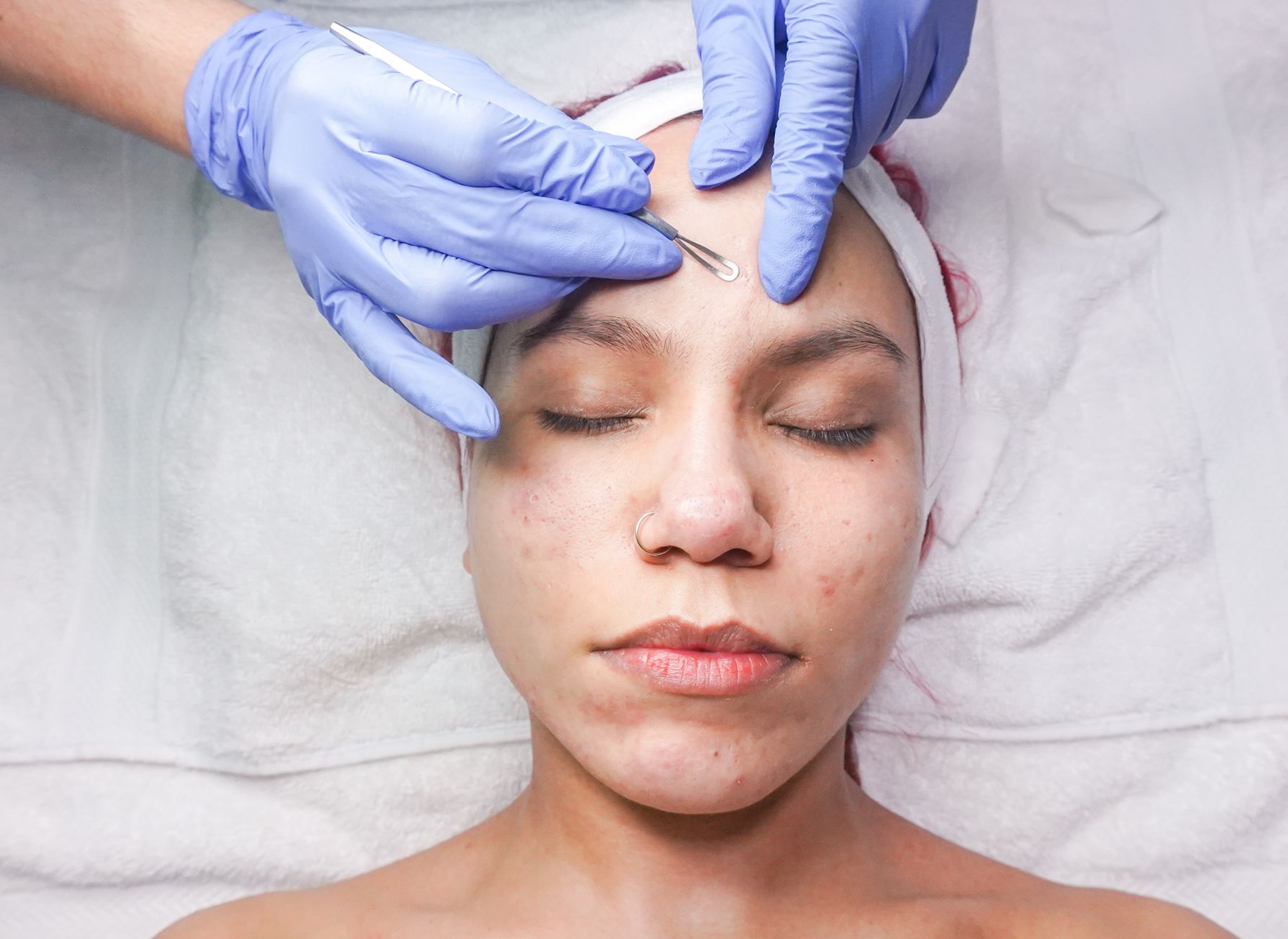
This 2026 guide explains which acne treatments have strong evidence, which have strict safety limits, and which lack proof. Use it to learn key facts and questions to ask before you start or change care. Acne means blocked pores and inflammation that cause pimples, lumps, and scars.
Evidence shows what worked in trials and what harms appeared during follow-up. Limits show who was studied, how long treatment lasted, and what still needs monitoring. This guide translates those limits into practical next steps.
Medical information disclaimer: This article is for general educational purposes only and does not provide medical advice, diagnosis, or treatment. Always consult a physician or other qualified health professional about symptoms, medications, tests, or treatment decisions.
Table of Contents
- What do guidelines strongly support?
- Which popular options lack enough proof?
- Is benzoyl peroxide still safe to use?
- What rules shape antibiotics, isotretinoin, and newer creams?
What do guidelines strongly support?
The American Academy of Dermatology strongly recommends benzoyl peroxide, retinoids, and fixed-dose combinations for moderate-to-severe teen and adult acne in its updated acne guidelines. It also strongly recommends oral doxycycline and oral isotretinoin for severe disease.
Ask your clinician to match strength to severity, prior response, and tolerance. Severe lumps that scar often need a different plan than scattered pimples. Bring a list of past prescriptions and how long you used each one.
Which popular options lack enough proof?
The Academy found insufficient evidence to recommend peels, laser and light devices, microneedling, diet changes, or vitamins and plant products. The Academy reported this gap via Newswise in its guideline summary. It also advised against adding broadband light to adapalene 0.3% gel.
That advice applies to that specific combination, not all light care. This does not mean these methods never help. It means trials were too small or mixed to support routine use. Ask about expected gain, cost, downtime, and proven alternatives before you pay.
Is benzoyl peroxide still safe to use?
In March 2025 FDA testing of 95 benzoyl peroxide products found more than 90% had undetectable or very low benzene. Only six lots went to retail recall, including La Roche-Posay Effaclar Duo and Proactiv lots, according to the FDA recall report via ChemLinked. The FDA states cancer risk remains very low even with daily use over decades.
You need not abandon benzoyl peroxide, but check recall lots and follow storage directions. Check the lot number on your package against the recall list before use. Do not use a recalled lot. Ask your pharmacist how to verify a lot quickly.
What rules shape antibiotics, isotretinoin, and newer creams?
Academy practice avoids antibiotic use alone and pairs oral or topical antibiotics with benzoyl peroxide to curb bacterial resistance. Clinicians limit systemic courses, reassess after 6 to 12 weeks or at 3 to 4 months, then shift to retinoid maintenance. The FDA approves oral isotretinoin only for severe recalcitrant nodular acne in patients 12 and older. It is dispensed only under the FDA iPLEDGE safety program because it can harm an unborn child.
Prescribers, patients, pharmacies, and wholesalers must register, with pregnancy prevention and monitoring. The FDA label warns of bowel disease, depression, psychosis, and suicide. Population studies and later reviews did not show higher depression or suicide risk, as summarized by Healio and dermatology reviewers. Ask about: Clascoterone 1% cream blocks androgen signals in skin, meaning hormone signals that raise oil. A Fall Clinical 2024 meta-analysis reported by Dermatology Times found its effect comparable to trifarotene and tazarotene, with stability alongside retinoids and benzoyl peroxide.
- mood shifts, sleep loss, or thoughts of self-harm
- stomach pain, bloody stool, or lasting diarrhea
- pregnancy plans, birth control, and test timing
- how long antibiotics will run and what maintenance follows