
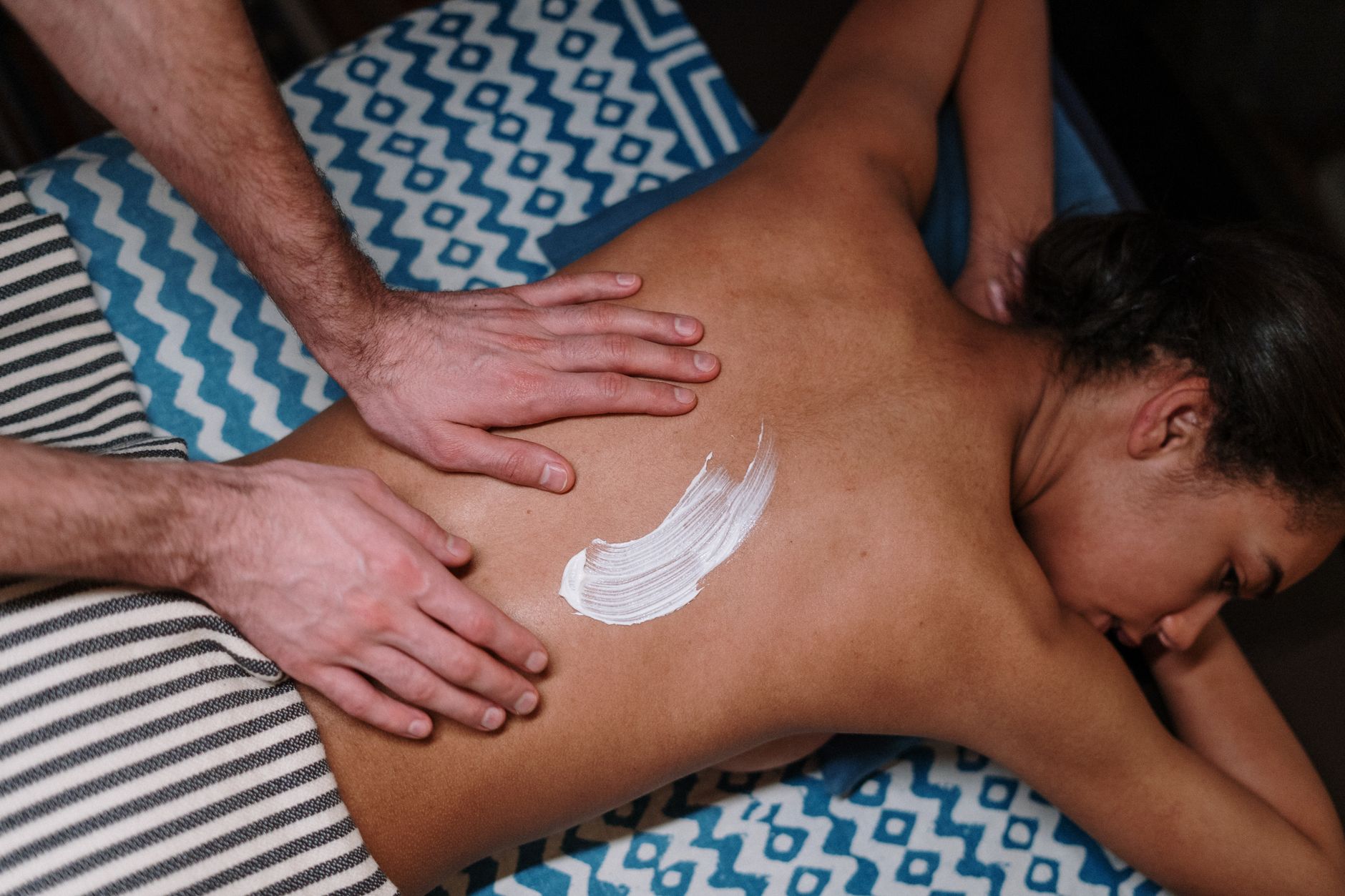
October 2026 brings three practical shifts for back acne, meaning acne on the chest, shoulders and back. Differin Epiduo Gel moved over the counter, oral denifanstat cleared a Phase 3 start, and experts backed trifarotene for truncal disease.
Truncal acne is common and often undertreated. No dedicated treatment guideline exists, so doctors adapt facial-acne evidence. The new moves do not change that gap, but they expand practical options.
Medical information disclaimer: This article is for general educational purposes only and does not provide medical advice, diagnosis, or treatment. Always consult a physician or other qualified health professional about symptoms, medications, tests, or treatment decisions.
Official resources:
- Read the official guidance from Clinicaltrialvanguard — Use this primary source to verify the official guidance.
- Read the official notice from Galderma — Use this primary source to verify the official announcement.
Table of Contents
- What changed at the pharmacy?
- What is entering Phase 3 testing?
- Which retinoid is made for the trunk?
- How does standard care apply to the back?
- When should you see a dermatologist?
What changed at the pharmacy?
According to Galderma via BusinessWire, the FDA approved the prescription-to-OTC switch on May 22, 2026. The switch covers Differin Epiduo Gel, adapalene 0.1% plus benzoyl peroxide 2.5%, for acne in patients ages 12 and older.
For back acne, that places a fixed-dose retinoid combination on drugstore shelves. Shoppers can start without a new prescription. Consistent daily use still matters, especially across a wide area.
What is entering Phase 3 testing?
According to Sagimet Biosciences, the FDA cleared its denifanstat Phase 3 plan on August 13, 2026. The clearance covers an IND for a Phase 3 trial starting in late 2026.
It tests oral denifanstat, a fatty-acid synthase inhibitor, in adolescents and adults with moderate-to-severe acne. This is a research step, not a new prescription. Readers with widespread or resistant back lesions can ask a dermatologist about trial availability.
Which retinoid is made for the trunk?
According to Galderma, trifarotene remains the only RAR-gamma retinoid approved for face and trunk. It selectively targets RAR-gamma and holds FDA approval for facial acne and truncal acne of the chest, shoulders and back.
A 2026 Malaysian expert panel in the Journal of Cosmetic Dermatology recommended trifarotene for mild-to-moderate facial and truncal acne in patients 12 and older. The panel included people prone to hyperpigmentation or atrophic scarring. That advice helps readers who scar dark or pit after back breakouts.
How does standard care apply to the back?
American Academy of Dermatology guidelines strongly recommend topical benzoyl peroxide, topical retinoids, topical or oral antibiotics, and fixed-dose combinations. They also recommend oral doxycycline, with oral isotretinoin for severe or scarring disease. A pooled analysis in the Journal of Drugs in Dermatology puts truncal acne at 50% or more of acne patients. About 70% want treatment even when they do not volunteer it.
The same source notes no dedicated guideline and usual care by extrapolating facial-acne data. A truncal review in the same journal notes a large, hard-to-reach surface. Leave-on benzoyl peroxide foam achieves better contact than washes. Oral therapy may be needed when topicals are impractical.
When should you see a dermatologist?
Dermatology practices summarizing AAD guidance advise consistent OTC retinoid and benzoyl peroxide use for back acne. See a dermatologist if no improvement occurs after 8-12 weeks. Same guidance flags deep, painful, or scarring lesions for earlier care.
- Use one regimen daily and note the start date
- Get help for full-back coverage to keep application even
- Book care for deep, painful, or scarring lesions or no change by week 12
You Might Also Like
- What Is New With Supplements and Acne in October 2026? Latest FDA and dermatology sources and Key Takeaways
- What Is New With Inflammation and Acne in October 2026? Latest FDA and dermatology sources and Key Takeaways
- What Is New With Forehead Acne in October 2026? Latest FDA and dermatology sources and Key Takeaways