
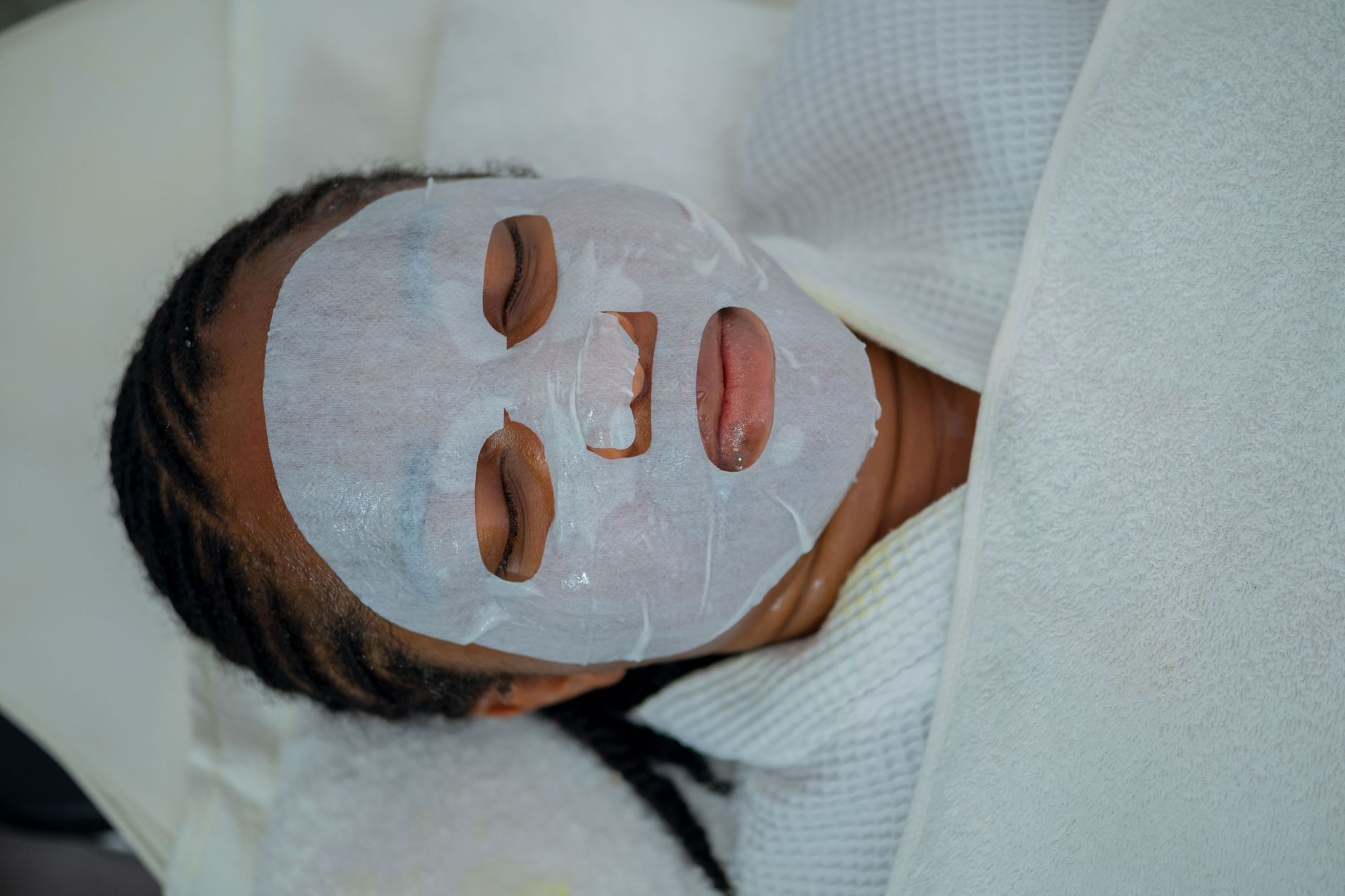
Coco Jones wears Urban Skin Rx Complexion Protection Moisturizer SPF 30 and Supergoop Unseen Sunscreen SPF 40 as everyday essentials. To avoid pilling on acne-prone skin, choose a non-comedogenic, oil-free SPF 30 or higher and let it form an even film before makeup. Pilling means tiny balls or flakes that form when sunscreen and makeup layers pull against each other. On acne-prone skin the goal is steady sun protection without clogged pores, extra grease, or disturbed foundation.
Medical information disclaimer: This article is for general educational purposes only and does not provide medical advice, diagnosis, or treatment. Always consult a physician or other qualified health professional about symptoms, medications, tests, or treatment decisions.
Table of Contents
- What Does Coco Jones Wear?
- What Should Acne-Prone Skin Look For?
- How Do You Layer SPF Without Pilling?
- How Do You Reapply Over Makeup?
What Does Coco Jones Wear?
Ebony reports that Jones named the two sunscreens in a December 2024 beauty interview, calling sun protection important and praising the glow from the moisturizer in Ebony's December 2024 beauty interview. The pair gives a practical starting point: a tinted-style moisturizer with SPF for glow plus a clear-feeling SPF for smooth wear.
Jones also described sunscreen as her number-two everyday essential, according to a British Day report of a February 2024 interview. She said melanin does not make Black skin immune to sun rays and that she learned daily SPF is necessary. That message matters for acne-prone readers who may skip SPF for fear of breakouts or white cast.
What Should Acne-Prone Skin Look For?
UC Davis Dermatology recommends non-comedogenic, oil-free, nongreasy formulas that absorb quickly, such as liquids, gels or powders, with SPF 30 or higher blocking about 97% of UVB rays in the UC Davis Dermatology sun protection guide. Non-comedogenic means made to resist clogging pores. Oil-free and fast-absorbing textures also leave less slick residue for foundation to slide on.
Light fluid or gel SPF usually layers better than thick cream under makeup. Powders can help in oily zones, but they should support the base sunscreen layer rather than replace it. For deeper skin tones, a sheer or well-matched finish helps avoid ashiness around the mouth and hairline.
How Do You Layer SPF Without Pilling?
Board-certified dermatologist Dr. Sheilagh Maguiness advises in Glam that heavy silicones, mineral blockers, mica, iron oxides and xanthan gum commonly cause pilling. She suggests avoiding silicone-heavy sunscreens or switching from mineral to chemical SPF if pilling keeps happening.
If one foundation always pills with mineral SPF, test a chemical SPF on the jawline first. Ulta Beauty's dermatologist guidance recommends letting sunscreen fully absorb and form a film for 1-3 minutes, patting rather than rubbing, matching water-based with water-based and silicone-based with silicone-based, and never mixing sunscreen directly into moisturizer in Ulta's dermatologist-reviewed sunscreen guidance. Use these steps on makeup days: Thin beats thick. Two sheer, even passes protect more evenly than one heavy glob that never sets.
- Apply a thin, even sunscreen layer to clean, lightly moisturized skin.
- Wait 1-3 minutes until it feels set, not wet.
- Pat foundation on with a damp sponge or clean fingers.
- Keep silicone-heavy primer and SPF together, or keep both water-based.
How Do You Reapply Over Makeup?
The FDA directs reapplying sunscreen at least every two hours and more often when swimming or sweating, a rule that forces makeup wearers to touch up without lifting foundation in the FDA's sun safety tips. Plan reapplication as part of the routine, not as an emergency fix at midday. Allure Philippines notes in 2025 an important limit: using less sunscreen to reduce pilling also lowers protection.
The practical fix is thin even layers in the morning plus reapplication over makeup with SPF mist, cushion or powder tapped on, rather than skipping or diluting SPF. Carry one touch-up format that suits oily or breakout-prone skin, often a matte SPF mist or powder. Tap it on gently; do not rub foundation back and forth to reposition it.